
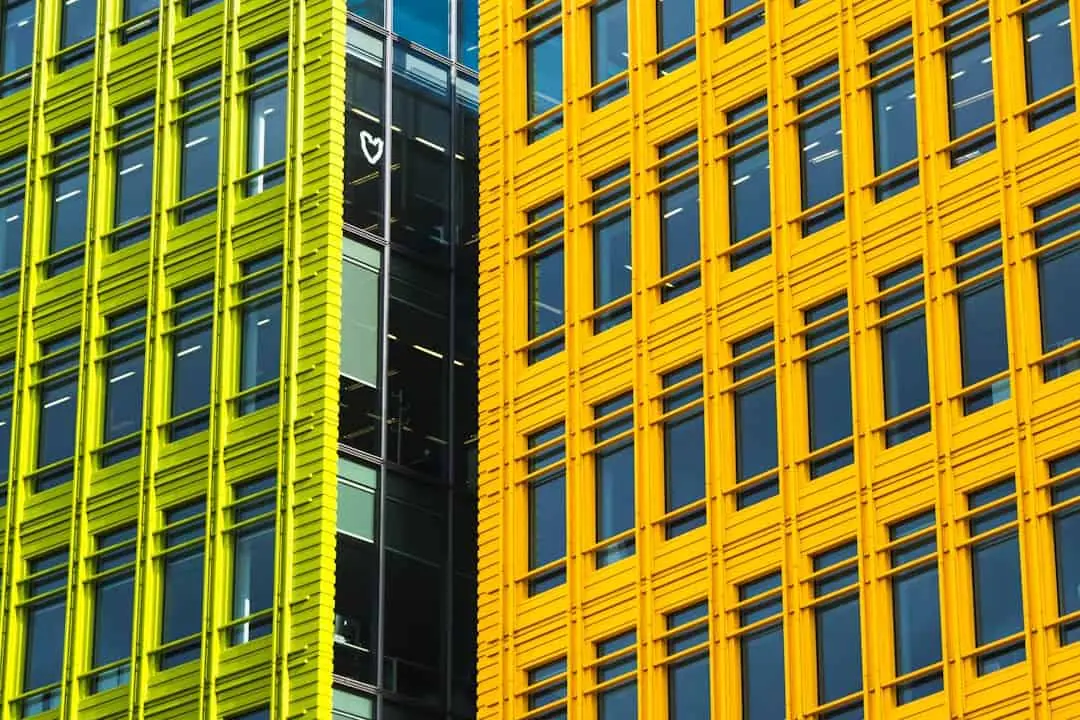
LEED, which stands for "Leadership in Energy and Environmental Design," is an internationally recognized certification system developed by the U.S. Green Building Council (USGBC). It aims to promote environmentally friendly and resource-efficient buildings.
LEED evaluates the sustainability of buildings in various categories, including location selection, water efficiency, energy and atmosphere, materials and resources, and indoor environmental quality. Certification is awarded in different levels: Certified, Silver, Gold, and Platinum, depending on the score achieved. BREEAM, or "Building Research Establishment Environmental Assessment Method," is a similar certification system that originated in the United Kingdom.
It was introduced in 1990 and is one of the oldest and best-known systems for assessing the environmental performance of buildings. BREEAM evaluates buildings in categories such as management, health and well-being, energy, transport, water, materials, waste, land use and ecology, and pollution. BREEAM also offers different certification levels, including Pass, Good, Very Good, Excellent, and Outstanding.
Correct determination of VAT liability
- LEED and BREEAM are certification systems for sustainable buildings.
- Building certification is important for the sustainability and environmental friendliness of buildings.
- LEED and BREEAM differ in their evaluation criteria and focus areas.
- A LEED certification offers benefits such as energy savings and improved indoor air quality.
- A BREEAM certification offers benefits such as lower operating costs and improved environmental performance.
The Importance of Building Certification
Environmental Friendliness and Energy Efficiency
Through certification, developers and owners can demonstrate that their buildings are environmentally friendly and meet the latest standards for energy efficiency and resource conservation.
Benefits for Companies and Users
This can not only improve the company's image but also increase the property's value. Furthermore, building certification also has positive effects on the health and well-being of users. Studies have shown that certified buildings often offer better air quality, more natural light, and more pleasant room acoustics.
Sustainability and the Future
These factors contribute to increasing user productivity and promoting general well-being. In a time when the impacts of climate change are becoming increasingly apparent, the importance of sustainable construction and related certification cannot be underestimated.
The Differences Between LEED and BREEAM
Although both LEED and BREEAM pursue similar goals, there are significant differences in their approaches and assessment methods. A key difference lies in their geographical focus: LEED is primarily prevalent in North America, while BREEAM originated in the United Kingdom and is popular in Europe and other parts of the world. These different origins lead to varying emphases in the assessment criteria.
Another difference lies in the structure of the assessment systems. LEED uses a points system where projects can earn points for various sustainable practices. The total score determines the certification level.
BREEAM, on the other hand, evaluates projects on a scale from "Pass" to "Outstanding," with the assessment based on a combination of points and qualitative criteria. These differences in methodology can be crucial for developers and architects when they have to decide which system is best suited for their project.
The Benefits of LEED Certification
| Benefits of LEED certification |
|---|
| Energy Efficiency |
| Water saving |
| Improved indoor air quality |
| Sustainable materials |
| Reduction of environmental impact |
LEED certification offers numerous benefits for developers and owners. One of the most outstanding advantages is the potential to reduce operating costs. By implementing energy-efficient systems and sustainable practices, energy costs can be significantly reduced.
Studies have shown that LEED-certified buildings consume an average of 30% less energy than conventional buildings. This not only leads to cost savings but also to a lower environmental impact. Another advantage is the increased market attractiveness of LEED-certified buildings.
In many markets, tenants and buyers are increasingly interested in sustainable properties. LEED certification can therefore serve as a selling point and help achieve higher rents or sale prices. Additionally, certification can also facilitate access to government subsidies or tax incentives, bringing additional financial benefits.
The Benefits of BREEAM Certification
BREEAM also offers a variety of benefits for developers and owners. A key advantage is the comprehensive assessment of a building's environmental performance across various categories. This allows for a holistic view of the project and promotes the integration of sustainable practices in all phases of the construction process.
Through this comprehensive approach, developers can ensure that all aspects of sustainability are considered. Furthermore, BREEAM certification can also reduce the risk of legal issues. In many countries, there are increasingly strict regulations regarding environmental protection in construction.
A BREEAM certification can serve as proof that a building complies with or even exceeds current regulations. This can avoid potential legal disputes and strengthen the confidence of investors and tenants.
The Requirements for LEED Certification
To obtain LEED certification, projects must meet a series of requirements, divided into different categories. Basic requirements include compliance with specific standards for energy efficiency and water management. For example, buildings must be designed to minimize energy consumption while optimizing water usage.
This can be achieved through the use of energy-efficient equipment, smart building technology, and water-saving fixtures. Additionally, projects must also meet requirements for material selection. LEED promotes the use of recycled materials as well as materials with low environmental impact.
The life cycle costs of materials also play a role. Furthermore, builders must demonstrate that they are using environmentally friendly practices throughout the construction process, including waste management and site organization.
The Requirements for BREEAM Certification
The requirements for BREEAM certification are also diverse and cover various aspects of the construction process. A central point is the management of the project during the planning and construction phases. BREEAM places great importance on clear documentation of all steps and on involving all relevant stakeholders in the process.
This not only promotes transparency but also collaboration between architects, engineers, and builders. Another important aspect is the requirements for user health and well-being. BREEAM assesses, for example, the quality of indoor air and access to natural light and outdoor views.
These factors are crucial for user well-being and can positively impact their productivity. In addition, criteria such as sound insulation and thermal comfort must also be considered.
Which Certification System is Right for Your Building?
The choice between LEED and BREEAM depends on various factors, including location, project type, and the specific goals of the builder. For example, if a project is located in North America or if the builder already has experience with LEED, this system might be the better choice. LEED offers a clear structure with a points system that makes it easier to measure progress and set goals.
On the other hand, BREEAM might be more suitable for projects in the United Kingdom or Europe, especially if a more comprehensive assessment of environmental performance is desired. BREEAM considers not only technical aspects but also social factors such as user well-being. Ultimately, the choice of certification system should be based on a thorough analysis of the project's specific requirements and the builder's long-term goals regarding sustainability and environmental responsibility.
Examples of electronic services
What is LEED and BREEAM Building Certification?
LEED and BREEAM are two of the best-known certification systems for sustainable buildings. They evaluate the environmental performance of buildings based on various criteria and standards.
What are the Main Goals of LEED and BREEAM?
The main goals of LEED and BREEAM are to promote sustainable construction and reduce the environmental impact of buildings. They aim to help create energy-efficient, environmentally friendly, and healthy buildings.
What criteria are evaluated in LEED and BREEAM certification?
In LEED and BREEAM certification, criteria such as energy efficiency, water consumption, materials and resources, indoor environmental quality, site selection, and innovation are evaluated.
How are buildings awarded LEED and BREEAM certification?
Buildings that meet the requirements of LEED and BREEAM receive certification in the form of plaques or certificates that confirm their environmental performance and sustainability.
What are the benefits of LEED and BREEAM certified buildings?
LEED and BREEAM certified buildings offer a range of benefits, including cost savings through energy efficiency, improved indoor environmental quality, positive environmental impacts, and better market positioning.
