
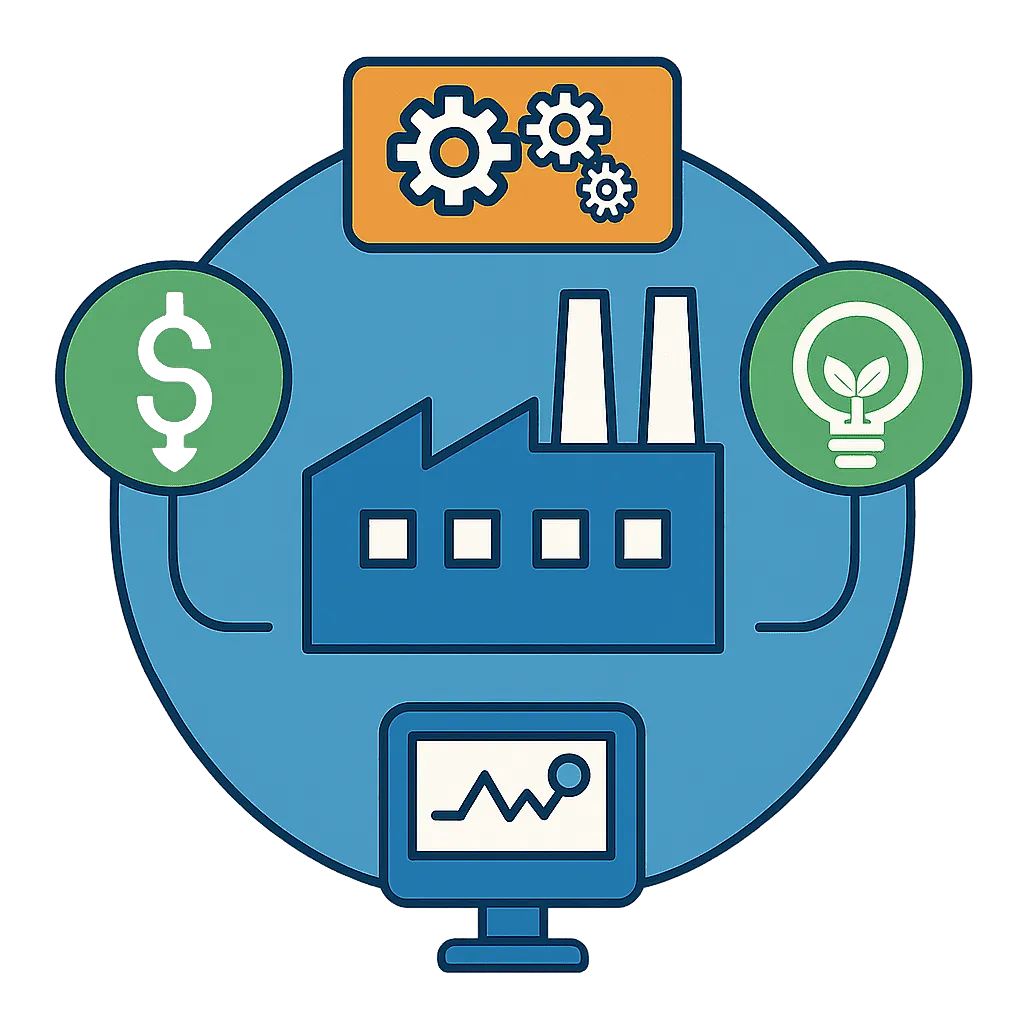
EAM encompasses various aspects such as Maintenance Managementcourse planning Maintenance planning, and even the monitoring of the entire plant lifecycle. In an era where companies are constantly seeking opportunities for cost optimization in asset operations, EAM is more than just a trend – it is a necessity.
Ensure all stakeholders are involved in the planning process from the outset. If you want to leverage the benefits of EAM for your company, you should also inform yourself about modern technologies such as Real-time monitoring of operating assets and Asset Tracking Systems Inform!
Let's dive into the various facets of Enterprise Asset Management together and discover how these revolutionary approaches can transform your business!
What is Enterprise Asset Management?
Enterprise Asset Management (EAM) is a strategic approach to managing and optimizing corporate assets throughout their entire lifecycle. It's not just about the physical management of assets, but also about integrating the processes, technologies, and information that are crucial for effective Asset Management management.
EAM encompasses a variety of activities, including:
- Maintenance planning and execution
- Condition monitoring of operating resources
- Resource management for cost optimization in plant operation
- Integration with Enterprise Resource Planning (ERP) to improve efficiency
The importance of EAM cannot be overstated. In a world where companies are constantly striving to reduce their operating costs while maximizing the performance of their assets, EAM offers a clear advantage. By using modern Asset Management Software companies can:
- Better understand and manage the lifecycle of their assets
- Achieve energy efficiency gains
- Reduce production downtime through preventive maintenance strategies
- Capture and analyze data in real-time for informed decisions
Differentiation from Other Management Methods
EAM differs significantly from traditional approaches to asset management. While traditional methods are often reactive – think of repairing machines only after a breakdown – EAM pursues a proactive approach. This means:
- Preventive Maintenance: Maintenance is planned and executed before problems occur.
- Condition Monitoring: Use of sensors and IoT technologies for real-time monitoring of equipment condition.
- Data analysis: Using operational data acquisition systems to identify patterns and optimization potential.
Ensure all stakeholders are involved in the planning process from the outset. If you haven't implemented an EAM strategy yet, start by analyzing your current processes. Identify bottlenecks and areas with potential for improvement.
Ultimately, Enterprise Asset Management is not just a tool; it's a philosophy. It requires a culture of continuous improvement within your company to unlock the full potential of your assets. Remember: The better you manage your assets, the better your company will perform!
The Role of Enterprise Asset Management in Facility Management
The Corporate Asset Management (EAM) has established itself as a crucial factor in Facility Management It functions like the heart of a company, ensuring all parts work together smoothly. In an era where digital transformation in asset management is advancing, understanding the integration of EAM into Facility Management is essential.
Integration of EAM into Facility Management
The seamless integration of Enterprise Asset Management into Facility Management enables a comprehensive view of all operational resources. By using modern Asset Management Software companies can:
- Handle operational resources more efficiently.
- Implement operational data acquisition systems to collect valuable data.
- Perform real-time monitoring of operational facilities, thereby reducing downtime.
Benefits for Companies and Organizations
A well-implemented EAM system offers a variety of benefits:
- Cost Optimization: Through effective maintenance planning and preventive maintenance, companies can significantly reduce operating costs.
- Increasing energy efficiency: Energy costs can be minimized with a focused approach to resource management.
- Longer equipment lifespan: Thoughtful lifecycle management of assets ensures they function longer and need to be replaced less frequently.
Ensure all stakeholders are involved in the planning process from the outset. Utilize digital tools for condition monitoring of your assets. These enable not only preventive maintenance but also better planning of maintenance work.
In summary, Enterprise Asset Management in Facility Management is not just a trend but a necessity for companies aiming to maximize efficiency and minimize costs. The right combination of technology and strategy can make the crucial difference here!
Core Components of Enterprise Asset Management
This Enterprise Asset Management (EAM) is like the core of a company, coordinating all aspects of Plant management and Asset Management Here are the core components that make EAM indispensable:
-
Asset Management and Monitoring
The central function of EAM is the effective management and monitoring of all operational resources. This includes everything from machinery and vehicles to IT resources. By using modern Asset Tracking Systems companies can track the condition of their assets in real-time, leading to improved decision-making.
-
Maintenance Planning and Preventive Maintenance
Another important aspect is strategic maintenance planning. Instead of waiting for a failure, preventive maintenance allows problems to be identified and resolved early. This not only reduces unplanned downtime but also significantly extends the service life of the assets.
-
Real-time monitoring of operating assets
By integrating IoT technologies into EAM, companies can monitor their assets in real-time. These technologies enable continuous condition monitoring and provide valuable data for optimizing operational processes. The ability to react immediately to changes can be crucial for ensuring increased energy efficiency and cost optimization in asset operation.
Did you know? Companies that implement effective EAM often report a reduction in operating costs by up to 30% through improved resource management and optimized maintenance strategies.
Overall, these core components form the backbone of successful Enterprise Asset Management. They not only help companies manage their resources more efficiently but also increase their competitiveness in a constantly changing market environment.
Asset Optimization Through Digital Transformation in Asset Management
In today's world, digital transformation in asset management not just a trend, but a necessity. Companies that want to Asset Management optimize must adapt to new technologies and trends to remain competitive.
Technologies and Trends in EAM
The integration of advanced technologies into Corporate Asset Management is revolutionizing the way companies manage their assets. Here are some of the groundbreaking technologies:
- Internet of Things (IoT): Through networked devices, companies can monitor the condition of their assets in real-time, enabling proactive decisions.
- Artificial Intelligence (AI): AI-supported analyses help predict maintenance needs, thus reducing production downtime.
- Cloud Computing: Enables access to asset management software from anywhere, increasing mobility in asset management.
Increasing Energy Efficiency Through Digital Asset Tracking
Energy efficiency is not just a buzzword, but a crucial factor for cost optimization. Digital asset tracking systems enable companies to monitor and optimize the energy consumption of their assets. Here are some benefits:
- Cost savings: Precise monitoring allows inefficient processes to be identified and improved.
- Sustainability: Improved energy efficiency contributes to reducing the ecological footprint and meets the expectations of environmentally conscious consumers.
- Better planning: With real-time data, companies can efficiently design their maintenance planning and thus minimize downtimes.
Ensure all stakeholders are involved in the planning process from the outset. When implementing new technologies in asset management, it is important to offer training for employees to fully leverage their potential.
Therefore, it becomes clear: digital transformation in asset management is not just an option – it is the key to asset optimization. By embracing these changes, companies can not only increase their efficiency but also become more competitive in the long term. So grab your digital toolbox and get ready for a revolutionary journey in asset management!
Cost Optimization in Asset Operations Through Effective EAM
Cost optimization in asset operation is like juggling burning torches; it requires skill, precision, and the right technique. With Enterprise Asset Management (EAM) however, this challenge becomes a well-choreographed dance where every move counts.
An effective EAM system enables companies to significantly reduce their operating costs. Here are some key factors:
- Reduction of operating costs through efficient resource management: By implementing EAM software, companies can better plan and manage their resources such as machinery, personnel, and materials. This not only leads to a reduction in waste but also to higher productivity.
- Asset management in companies: Well-structured asset management helps to optimally control the lifecycle of assets. Expensive failures are minimized through preventive maintenance strategies. The result? Fewer unexpected costs and a longer service life of the operating resources.
- Real-time monitoring: The use of IoT technologies in conjunction with EAM enables real-time monitoring of operating assets. In this way, problems can be identified and resolved early before they lead to costly disruptions.
- Optimization of maintenance planning: Intelligent maintenance planning ensures that maintenance work is carried out when it has the least impact on operations. This keeps everything running and your wallet full!
Ensure all stakeholders are involved in the planning process from the outset. Use digital tools for condition monitoring of your assets! These technologies not only help you monitor the asset lifecycle but also identify potential savings.
Overall, it is clear: implementing an effective EAM system is not just a step towards digitalization, but a strategic advantage for companies looking to optimize their operating costs. So, if you haven't jumped on board yet, you might soon be left behind!
Maintenance Strategies within Enterprise Asset Management
In the world of Corporate Asset Management is crucial for success and efficiency. While some companies rely on reactive maintenance, others opt for a combination of preventive and reactive maintenance to get the most out of their assets.
Combination of preventive and reactive maintenance
Preventive maintenance is like a regular check-up at the doctor's – it helps detect problems before they become serious. In contrast, reactive maintenance is more like an emergency room visit: it kicks in when something has already gone wrong. The right mix of both approaches can not only reduce downtime but also extend the lifespan of assets.
Ensure all stakeholders are involved in the planning process from the outset. Companies should invest in modern Asset Management Software to efficiently manage maintenance plans and monitor the condition of their assets in real-time.
Enterprise asset data acquisition systems to support maintenance
Operational data acquisition systems are the backbone of effective maintenance management. These systems continuously collect data on the condition of assets, enabling informed decision-making. With the help of real-time data, companies can quickly react to unexpected disruptions and optimize planned maintenance.
The implementation of an effective operational data acquisition system can increase production downtime reduction by up to 30%.
Increasing energy efficiency through intelligent maintenance practices
An often overlooked benefit of effective maintenance strategies is the potential to increase energy efficiency. Through regular maintenance and monitoring, companies can ensure that their assets operate optimally and avoid unnecessary energy consumption. This not only leads to cost savings but also contributes to sustainability.
Challenges in implementing maintenance strategies
Despite all the advantages, many companies face challenges in implementing their maintenance strategies. These include:
- Lack of qualified personnel for maintenance management
- Insufficient integration of IT systems (e.g., ERP integration in asset management)
- Lack of real-time monitoring of operating assets
To overcome these challenges, companies should focus on training and regularly update their systems. A well-thought-out strategy can not only reduce operating costs but also increase overall efficiency.
The Future of Enterprise Asset Management: Trends and Outlook
The world of Corporate Asset Management is facing an exciting transformation. With the ongoing digital transformation in asset management not only technologies are changing, but also the strategies that companies use to efficiently manage their assets.
Mobility in asset management
Imagine being able to monitor your operational facilities with a tap on your smartphone. Mobility in asset management is no longer just a nice idea, but is increasingly becoming a reality. This development has significant implications for the industry:
- Real-time data access: Technicians can now access important information anytime and anywhere, which increases efficiency.
- Improved response times: In case of problems, immediate measures can be taken, which leads to a reduction in production downtimes.
- Collaboration: Teams can collaborate better and exchange information faster, which improves decision-making.
ERP Integration in Asset Management
Another significant trend is the seamless integration of ERP (Enterprise Resource Planning) systems into Asset Management. This integration enables companies to:
- Cost Optimization: By exchanging information between different departments, resources can be utilized more efficiently.
- Data analysis: Companies can gain valuable insights to optimize their maintenance strategies and take preventive measures.
- Operational data acquisition systems: The capture of real-time data on operational processes significantly improves the lifecycle management of assets.
Ensure all stakeholders are involved in the planning process from the outset. Invest in modern asset tracking systems to effectively monitor your assets and optimize maintenance planning. The combination of mobility and ERP integration can significantly reduce your operating costs!
Overall, it is evident that the future landscape of Enterprise Asset Management is increasingly shaped by technological innovations. Companies must be prepared to adapt to these trends and adjust their maintenance strategies accordingly. The goal? Effective management of their operational resources and sustainable optimization of their assets!
Conclusion
The revolution in Plant management through Enterprise Asset Management (EAM) is not just a trend, but a necessity for companies that want to survive in an increasingly digitized world. The integration of EAM into enterprise resource planning allows organizations to optimize their asset management and efficiently control the entire plant lifecycle .
Effective EAM systems offer numerous benefits:
- Cost Optimization: Through preventive maintenance and maintenance planning, companies can reduce production downtime and lower operating costs.
- Increasing energy efficiency: Digital transformation and technologies such as asset tracking systems contribute to improving energy efficiency.
- Real-time monitoring: With modern operational data acquisition systems, companies can permanently monitor the condition of their assets and react quickly to changes.
The future of EAM will be shaped by mobility and ERP integration. Companies should prepare to leverage these technologies to secure their competitiveness.
In summary, the implementation of a powerful Asset Management Software is not only a strategic decision but also plays a crucial role in long-term asset optimization. So, if you are still hesitating, now is the perfect time to invest in your asset management :-)
