
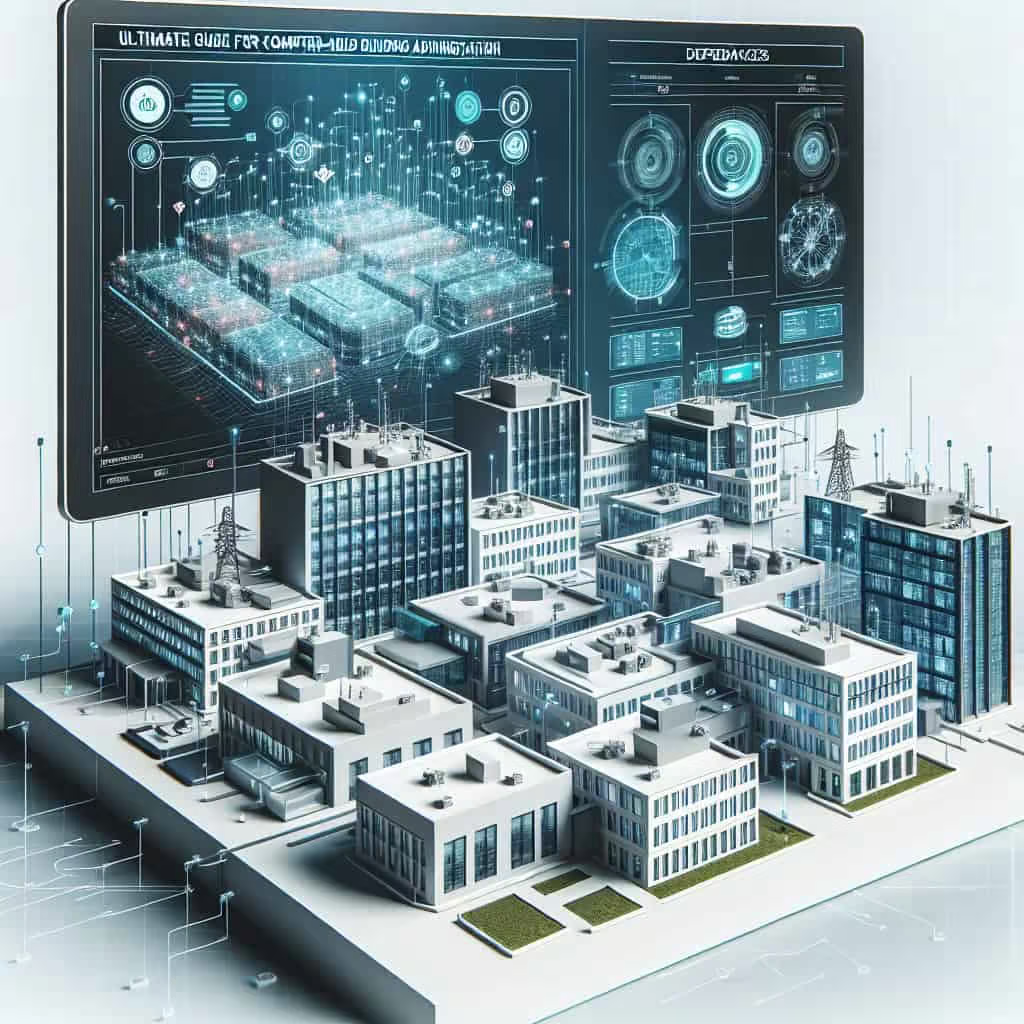
Welcome to the world of Computer-Aided Facility Management (CAFM), where technology meets building management to optimize processes and utilize resources more efficiently (yes, sounds pathetic, but it's true). And please imagine a fanfare: "Fanfare ;-)"
In an increasingly complex urban landscape, modern solutions are needed to maintain an overview of buildings and facilities. This is where CAFM comes in – an indispensable tool for the digital transformation of facility management.
CAFM systems offer a variety of functions that make life easier for facility managers, including:
- Maintenance Management: Plan maintenance proactively and avoid costly failures.
- Space Management Systems: Optimize space utilization and thus increase the efficiency of your property management.
- Energy Management Solutions: Reduce energy consumption and promote sustainable business practices.
According to a study by McKinsey, data-driven approaches in facility management could reduce operating costs by up to 25%. This astonishing figure highlights the potential of modern technology solutions for process optimization and cost savings in building management.
"The future of building management lies in networking and digitalization. Only those who are willing to integrate technological innovations will be successful in the long term." – Bauwelt Magazine
In addition to these advantages, CAFM also offers expansion possibilities through a BIM Integration into facility management, enabling seamless integration between digital building models and their management. The integration of the Internet of Things (IoT) also opens up new horizons for monitoring technical systems within a building.
Whether it's a large office building or a complex industrial site – with CAFM, you can master the challenges of modern building management confidently and future-proof.
What is Computer Aided Facility Management?
Computer Aided Facility Management (CAFM) is more than just a technological trend – it is the linchpin of modern building management. But what exactly does that mean? In short, it involves the use of software solutions to optimize the planning, control, and monitoring of all relevant tasks in facility management. This includes everything from maintenance and energy management to space management.
- Increased efficiency: CAFM systems enable a comprehensive analysis of building data, leading to a significant improvement in operational processes.
- Cost reduction: Through more targeted maintenance measures, wear and tear on systems can be reduced, saving costs in the long run.
- Sustainability: With the help of energy management solutions, companies can minimize their ecological footprint.
According to a study by rotermund ingenieure, over 65% of large companies worldwide already use CAFM solutions to digitize and optimize their facility management processes. This clearly shows the growing trend and acceptance of these technologies.
"CAFM is not just a tool; it is a philosophy for optimizing and managing complex infrastructures."
An example of CAFM's versatility can be found in its integration with Building Information Modeling (BIM). This combination enables precise planning and management of both new and existing buildings. The goal? A perfectly coordinated ecosystem that simplifies both technical system monitoring and resource planning in facility management.
Besides the technological aspect, user-friendliness also plays a crucial role. Modern CAFM systems are designed to be easy to use even for non-technicians. After all, nobody wants to need a doctorate in computer science to turn off the office lights!
Benefits of CAFM Systems
Facility managers worldwide face the challenge of managing complex buildings efficiently and cost-effectively. This is where Computer-Aided Facility Management (CAFM)systems come into play. These modern software solutions offer a variety of benefits that can revolutionize digital building management.
Optimizing operational processes
One of the most outstanding features of CAFM systems is the automation and optimization of operational processes. By using such systems, facility managers can make routine tasks such as maintenance management or user help desks more efficient.
- Time Savings: Automated processes significantly reduce manual interventions.
- Cost-effectiveness: Optimized processes lower operating costs through less downtime and efficient resource planning.
Improved Transparency and Reporting
Another advantage is increased transparency in building management. With the help of building data analysis tools, facility managers can create detailed reports to make informed decisions.
"Using Computer Aided Facility Management systems improves the quality of information on which decisions are based." — FacilitiesNet
Precise reporting allows companies to identify weaknesses and take timely action.
Adaptability and Scalability
CAFM systems are highly customizable and scalable, making them the ideal solution for companies of all sizes. Whether a small office building or a large corporate complex – CAFM adapts to the respective requirements.
- Customization to individual needs: Software solutions can be tailored to specific requirements.
- Scalability: The system grows with the company without requiring significant investment.
Application Areas and Functionalities
Computer Aided Facility Management (CAFM) is not just another technical buzzword, but a revolution in modern building management. Thanks to its versatile applications and impressive functionalities, it makes the lives of facility managers considerably easier. But where exactly are these technologies applied and what functions do they offer? Let's take a look.
Application Areas of CAFM
- Maintenance Management: With Computerized Maintenance Management Systems (CMMS), companies can manage maintenance schedules more efficiently and extend the lifespan of their assets.
- Room Management: Space management systems enable optimal utilization of available areas, whether office, industrial, or public.
- Energy Management: Through energy management solutions, companies can increase their energy efficiency, which not only reduces costs but is also positive for the environment.
- BIM Integration: The integration of Building Information Modeling (BIM) into facility management enables seamless data transfer between the design and operational phases of a building.
Central Functions of CAFM Software
Good CAFM software offers a wide range of functions that are customizable to the needs of the respective company:
- Data Analysis: Comprehensive building data analysis tools can be used to gain relevant insights for making informed decisions.
- Maintenance Software: These modules help to efficiently carry out planned maintenance and minimize unforeseen failures.
- Asset Management Systems: These systems enable seamless recording and management of company resources.
"One of the biggest misconceptions when implementing CAFM systems is the assumption that they are complex and difficult to implement. In reality, however, they make many processes simpler and more transparent."
In addition to the points mentioned, future technologies such as the Internet of Things (IoT) also play a crucial role in facility management. They enable the use of real-time data from sensors to further optimize operational processes. There is no question: the digital transformation has already begun!
Future Trends in CAFM
The world of Computer-Aided Facility Management (CAFM) is evolving rapidly, and the future promises numerous exciting trends that could revolutionize the way we manage buildings. Here are some of the key developments to watch out for:
1. IoT Integration
The Internet of Things (IoT) is no longer an unfamiliar concept in building management. Thanks to intelligent sensors, facility managers can collect and analyze real-time data on space utilization, energy consumption, and equipment status. Imagine your coffee machine notifying you of its fill level on your computer. No more coffee shortages! According to a study by Statista, by 2025, over 75 billion IoT devices are expected to be in use worldwide.
2. Sustainability Management
With growing environmental awareness, the Sustainability Management in the Building Industry is increasingly coming into focus. CAFM systems help optimize energy consumption and reduce emissions. This allows companies not only to lower their operating costs but also to minimize their ecological footprint.
3. BIM Integration
Building Information Modeling (BIM) is another significant trend in digital facility management. By integrating BIM in Facility Managementsystems, all phases of the building lifecycle can be managed more efficiently. This allows for more precise planning and improved cost control.
"Digitalization is no longer a trend – it is a necessity."
4. Building Facility Security Management Systems
Security management solutions continue to gain importance, especially in the context of companies' digital transformation. According to surveys by, many respondents value integrated security solutions in their FM software solutions.
Summary: Shaping the Future
- Use of IoT: Intelligent building management through connected devices.
- Using BIM: More efficient planning and execution through digital models.
- Sustainable Practices: Reducing the ecological footprint with modern technology.
- Security Solutions: Protecting data and facilities through advanced systems.
Conclusion
In the world of Computer-Aided Facility Management (CAFM), much has happened in recent years. These technologies have revolutionized the way we manage buildings. Thanks to digital transformation, facility managers can now work in more comprehensive and efficient ways. But what does this mean in concrete terms?
- Increased efficiency: The introduction of FM software solutions enables a significant increase in efficiency through automated processes and real-time data access. According to a study by MarketsandMarkets, the CAFM market is expected to grow by over 10% annually by 2026.
- Cost Reduction: Through optimized resource planning in facility management, superfluous expenses can be minimized.
- Future-proofing: With the integration of IoT technologies into building management systems, companies are well-equipped for the future. These technologies offer advanced monitoring and control capabilities, allowing for faster responses to unforeseen events.
“The introduction of digital facility management tools not only brings cost savings but also improves sustainability and user satisfaction.”
CAFM is not just a buzzword—it's a necessity for all companies that want to manage their properties effectively and sustainably.
