
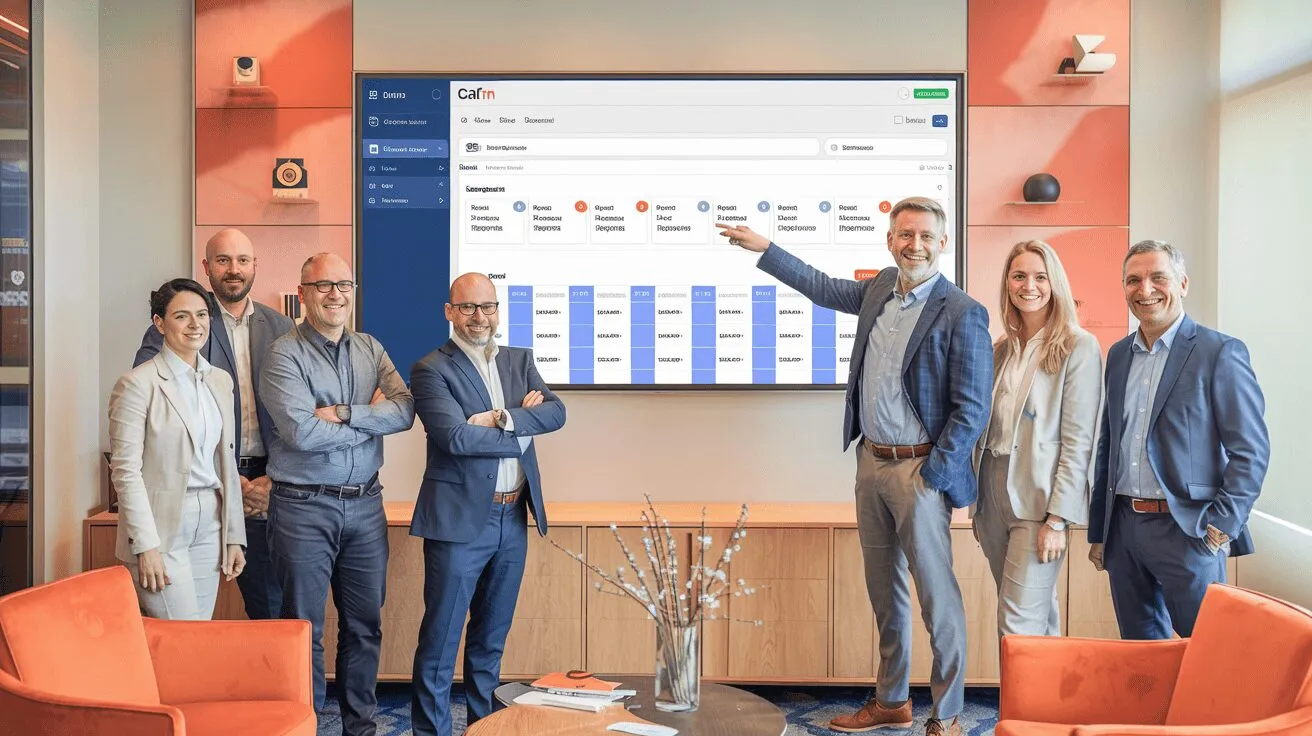
Computer Aided Facility Management (CAFM) is a digital tool for optimizing facility management in companies. CAFM systems offer comprehensive functions for managing buildings, facilities, and resources. They enable efficient planning and execution of maintenance work, inventory management, and support for space planning.
The implementation of a CAFM solution requires careful planning and preparation to meet the specific requirements of the company. When selecting a CAFM solution, it is crucial to consider the individual needs of the company. The market offers a variety of CAFM systems with different functions and features.
Companies should conduct a thorough analysis to identify the most suitable solution for them. Important criteria for selection include user-friendliness, scope of functions, scalability, and the possibility of integration into existing IT infrastructures. Careful selection ensures that the CAFM solution meets the company's requirements in the long term and offers sustainable added value.
Selecting the Right CAFM Solution
Thorough analysis for the right decision
Selecting the right CAFM solution is a crucial step in introducing facility management software. There are a variety of providers on the market offering different solutions with various functions and features. Therefore, it is important for companies to conduct a thorough analysis to identify their facility management requirements and find the solution that best fits their needs.
Important aspects to consider when choosing
Aspects such as user-friendliness, functionality, scalability, and integration into existing systems should be considered. User-friendliness is an important consideration when choosing a CAFM solution. The software should be easy to use and enable employees to perform their tasks efficiently. An intuitive user interface and clear workflows are crucial to ensure user acceptance of the solution.
Scope of functions and scalability
Furthermore, it is important that the CAFM solution offers the necessary functions to meet the specific requirements of the company's facility management. This includes, among other things, the management of building information, the planning and monitoring of maintenance work, inventory management, and support for space planning. The scalability of the solution is also an important aspect, as the company may grow in the future and the software must be able to keep pace with growing demands.
Planning and Preparation of Implementation
Planning and preparing the implementation of a CAFM solution is a crucial step to ensure the project is successfully implemented. Implementing facility management software requires careful planning to ensure that the solution meets the company's requirements and can be seamlessly integrated into the workflow. Important steps in the planning phase include defining goals and requirements, establishing a timeline and budget, and selecting an implementation team.
Defining clear goals and requirements is crucial for the successful implementation of a CAFM solution. The company should precisely determine which goals are to be achieved with the introduction of the software and which requirements the solution must meet. This includes, among other things, the management of building information, the planning and monitoring of maintenance work, inventory management, and support for space planning.
A detailed timeline and a realistic budget are also important aspects that must be considered during the planning phase. Implementing a CAFM solution requires time and resources, so it is important to establish a clear timeline and ensure that sufficient funds are available for the project. Furthermore, selecting an experienced implementation team is crucial for the success of the project.
A competent team can ensure that the implementation runs smoothly and that the solution meets the company's requirements.
Training and onboarding of employees
| Employees | Number of training sessions | Average onboarding time |
|---|---|---|
| Employee 1 | 3 | 2 Hours |
| Employee 2 | 2 | 1.5 hours |
| Employee 3 | 4 | 2.5 hours |
Training and onboarding employees is an important step in implementing a CAFM solution. To ensure that the software is used effectively and that all employees are familiar with its functions, it is important to conduct training measures. Employee training should begin early in the implementation phase and continue continuously to ensure that all employees have the necessary knowledge.
Employee training should be tailored to their specific tasks and requirements. Depending on their role and responsibilities in facility management, different training measures may be necessary. Aspects such as operating the software, entering data, creating reports, and performing maintenance work should be considered.
Furthermore, it is important that the training is practical and allows employees to apply what they have learned directly. Onboarding employees to the new software should be continuous to ensure that all employees are familiar with the functions and can use them effectively.
Data migration and integration into existing systems
Data migration and integration into existing systems is an important step in implementing a CAFM solution. To ensure that all relevant data is transferred to the new system and that seamless integration is guaranteed, it is important to take careful measures. Data migration involves transferring existing data from other systems or files into the new CAFM system.
This can include, for example, information on buildings, facilities, or inventory. Integration into existing systems is also an important aspect when implementing a CAFM solution. The new software should be able to integrate seamlessly with other systems in the company to ensure smooth data exchange.
These include, for example, ERP systems, accounting software, or maintenance management systems. Seamless integration enables the company to manage all relevant data centrally and gain a holistic overview of its facility management processes.
Monitoring and adjustment of the CAFM solution
A continuous process
The monitoring and adaptation of the CAFM solution is a continuous process to ensure that the software meets the changing requirements of the company. After implementation, it is important to regularly check whether the solution is being used effectively and whether adjustments are necessary. This can be done, for example, through regular audits or feedback loops.
Early problem detection
Monitoring the CAFM solution allows the company to identify potential problems early and take appropriate measures for optimization.
Adaptation to changing requirements
Furthermore, the requirements for facility management can also change over time, for example, due to organizational changes or new legal regulations. In such cases, it is important that the CAFM solution is adapted accordingly to meet the new requirements.
Measuring success and continuous improvement
Success measurement and continuous improvement are important aspects when implementing a CAFM solution. To evaluate the success of the project and identify potential for improvement, it is important to define suitable key figures and review them regularly. These include, for example, KPIs for software usage, efficiency gains, or cost savings.
Continuous improvement enables the company to continuously optimize its facility management processes and adapt them to changing requirements. This can include, for example, regular training for employees or software updates. Through continuous improvement, the company can ensure that its facility management processes are efficient and provide added value for the company.
Examples of electronic services
What is a CAFM Solution?
A CAFM solution (Computer Aided Facility Management) is software that supports companies in optimizing their real estate and facility management processes. It includes functions such as building management, maintenance planning, resource management, and reporting.
What are the benefits of implementing a CAFM solution?
The implementation of a CAFM solution can lead to more efficient use of resources, better planning of maintenance measures, improved transparency and control over properties and facilities, and cost savings.
How is a CAFM solution implemented in a company?
The implementation of a CAFM solution typically involves several steps, including analyzing requirements, selecting suitable software, adapting it to company processes, training employees, and continuous optimization.
What factors should be considered when selecting a CAFM solution?
When selecting a CAFM solution, factors such as adaptability to company processes, user-friendliness, integration with existing systems, support, and costs should be considered.
What role does employee training play in the implementation of a CAFM solution?
Employee training is crucial for the successful implementation of a CAFM solution, as it ensures that employees can use the software effectively and fully leverage its benefits.
