
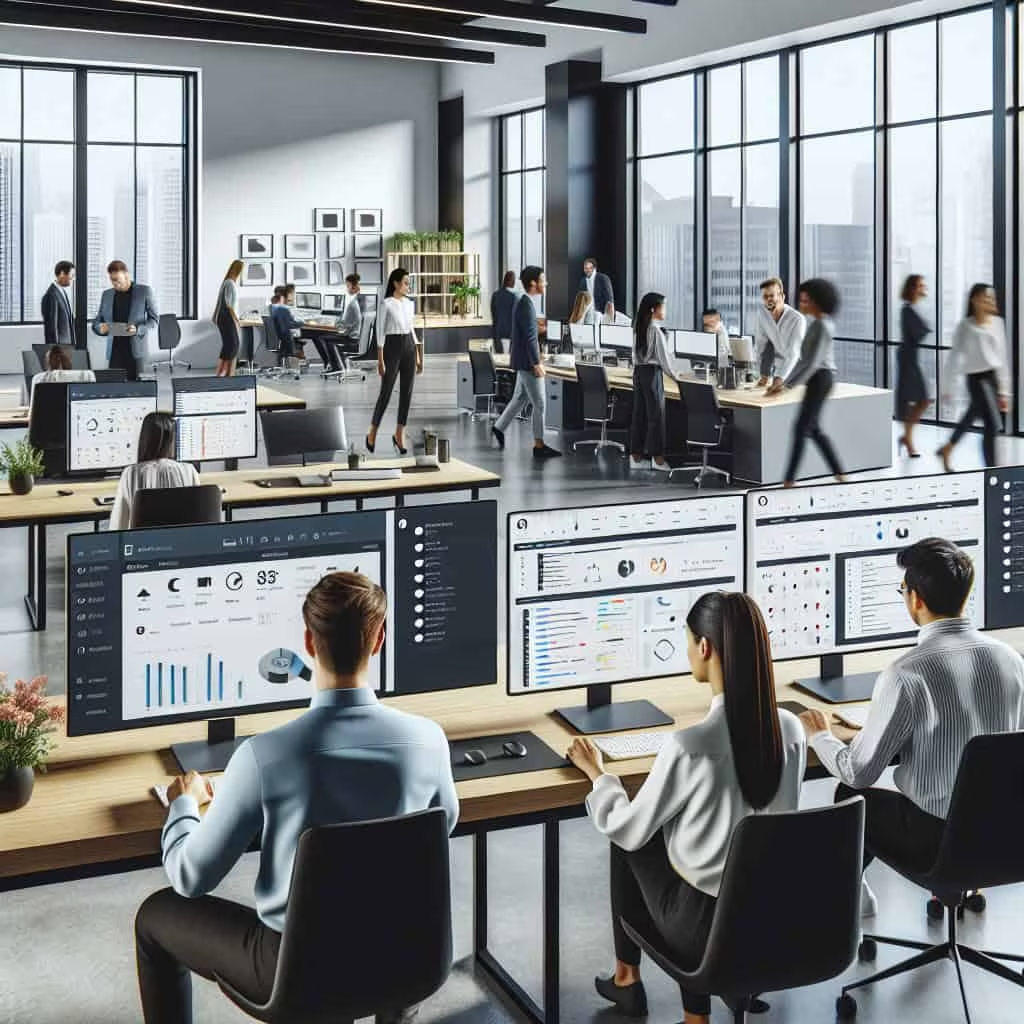
Facility Management is an important component of modern companies. It includes the management and organization of buildings, facilities, and resources to ensure a safe and efficient workplace. In this article, we will take a closer look at Facility Management and the importance of an integrated workplace management system.
Correct determination of VAT liability
- Facility management includes the management and maintenance of buildings and facilities.
- Benefits of facility management include cost savings, improved working conditions, and higher safety.
- A workplace management system is software that facilitates the management of workplaces and resources.
- An integrated workplace management system connects various systems and enables efficient management of workplaces and resources.
- Benefits of an integrated workplace management system include improved efficiency, higher productivity, and better resource utilization.
What is Facility Management?
Facility Management refers to the management and organization of buildings, facilities, and resources within a company. It encompasses various tasks such as building maintenance, ensuring compliance with regulations and guidelines, managing suppliers and service providers, and ensuring a safe and efficient workplace.
The importance of Facility Management lies in its contribution to creating a safe and efficient workplace. Through effective management of buildings and resources, companies can increase productivity, reduce costs, and improve workplace safety.
The Benefits of Facility Management
Facility Management offers a variety of benefits for companies. The most important benefits include:
1. Improved productivity and efficiency: Through effective management of buildings and resources, companies can increase their productivity. Employees have access to well-maintained facilities and can perform their tasks more efficiently.
2. Cost savings: Facility Management helps companies reduce costs. Through effective management of buildings and resources, companies can reduce their operating costs and work more efficiently.
3. Improved safety and security: Facility Management contributes to improving workplace safety. By adhering to regulations and guidelines, companies can ensure that their employees work in a safe environment.
4. Better maintenance and upkeep of facilities: Facility Management also includes the maintenance and upkeep of facilities. Through regular inspections and maintenance work, companies can ensure that their facilities are in good condition and function smoothly.
What is a Workplace Management System?
| Metric | Description |
|---|---|
| Definition | A workplace management system is a software solution that supports companies in efficiently managing and optimizing their workplaces. |
| Goals | The goal of a workplace management system is to maximize workplace utilization, reduce costs, increase employee satisfaction, and optimize work processes. |
| Features | Typical functions of a workplace management system include booking workplaces, managing resources such as printers and conference rooms, capturing workplace usage data, and analyzing this data. |
| Advantages | The benefits of a workplace management system are higher efficiency, better utilization of workplaces, cost reduction, higher employee satisfaction, and improved workplace safety. |
| Examples | Well-known workplace management systems include, for example, Condeco, DeskFlex, and Robin. |
A Workplace Management System is an integrated system that supports companies in managing and organizing their workplaces. It includes various components such as space planning, resource management, booking systems, and communication tools.
The importance of an integrated system in Facility Management lies in its ability to help companies manage their workplaces more efficiently. By integrating various functions and data, companies can better utilize their resources and optimize their processes.
How Does an Integrated Workplace Management System Work?
An integrated Workplace Management System consists of various components that work together to facilitate workplace management. The most important functions include:
1. Space planning: The system enables companies to plan and organize their spaces efficiently. Employees can book rooms for meetings or events and check room availability in real-time.
2. Resource management: The system helps companies manage their resources efficiently. It allows for the booking of equipment, materials, and other resources, ensuring they are available at the right time and place.
3. Booking systems: The system allows employees to book workstations or rooms and check their availability in real-time. This facilitates the organization of meetings and events.
4. Communication Tools: The system offers various communication tools such as messaging, email, and video conferencing to improve collaboration and communication among employees.
The integration of data and automation is an important component of an integrated workplace management system. By integrating data from various sources, companies can gain a comprehensive overview of their workplaces and make informed decisions.
The Benefits of an Integrated Workplace Management System in Facility Management

An integrated workplace management system offers a variety of benefits for companies. The most important benefits include:
1. Improved Communication and Collaboration: By integrating communication tools, employees can collaborate and communicate more effectively. This leads to better teamwork and a smoother workflow.
2. Better Resource Allocation and Utilization: By integrating resource management functions, companies can utilize their resources more efficiently. This leads to better resource utilization and a reduction in waste.
3. Improved Decision-Making and Problem-Solving: By integrating data and automation, companies can make informed decisions and proactively address problems. This leads to better decision-making and faster problem-solving.
How Can Companies Benefit from an Integrated Workplace Management System?
Companies can benefit from an integrated workplace management system in various ways. The most important benefits include:
1. Increased Efficiency and Productivity: By integrating workplace management functions, companies can increase their efficiency and productivity. Employees have access to well-organized workplaces and can complete their tasks more efficiently.
2. Cost and Waste Reduction: An integrated workplace management system helps companies reduce costs and waste. Through efficient resource utilization, companies can lower their operating costs and minimize their environmental impact.
3. Improved Employee Satisfaction and Retention: A well-organized work environment contributes to employee satisfaction. By providing a safe and efficient workplace, companies can improve their employees' satisfaction and retention.
The Importance of Efficiency in Facility Management
Efficiency plays an important role in facility management. By efficiently managing buildings and resources, companies can increase their productivity and reduce costs. Efficiency is also important to ensure that workplaces are safe and well-maintained.
Analyzing data and optimizing processes are important components of increasing efficiency in facility management. By analyzing data, companies can identify weaknesses and take measures to improve their operations.
How Can an Integrated Workplace Management System Improve Efficiency in Facility Management?
An integrated workplace management system can improve efficiency in facility management in various ways. The most important methods include:
1. Automation of Routine Tasks: By automating routine tasks, companies can save time and resources. Employees can focus on more important tasks while the system automatically handles repetitive tasks.
2. Real-time Monitoring and Reporting: An integrated workplace management system allows companies to monitor their workplaces in real-time and generate reports on performance and utilization. This enables companies to identify problems early and take measures to resolve them.
3. Preventive Maintenance and Proactive Problem Solving: By integrating data and automation, companies can implement preventive maintenance measures and address problems proactively. This helps minimize downtime and maximize workplace efficiency.
The Role of Technology in Facility Management
Technology plays an important role in modern facility management. By using technology, companies can manage their workplaces more efficiently and optimize their operations. There are various trends and innovations in facility management technology that companies can leverage.
The latest trends include the use of Internet of Things (IoT) devices for monitoring buildings and resources, the use of artificial intelligence (AI) for data analysis, and the implementation of cloud-based systems for storing and managing information.
How Can Companies Implement an Integrated Workplace Management System?
Implementing an integrated workplace management system requires careful planning and execution. Companies should consider the following steps and best practices:
1. Requirements Analysis: Companies should analyze their requirements and determine which functions and components they need. This helps in selecting the right system.
2. Selecting the Right System: Companies should compare different systems and choose the one that best fits their requirements. It is important to choose a system that is flexible, scalable, and user-friendly.
3. Employee Training and Support: Introducing a new system requires employee training and support. Companies should ensure that their employees understand and can use the system effectively.
Conclusion
Facility management is an important component of modern businesses. Through effective management of buildings and resources, companies can increase productivity, reduce costs, and improve workplace safety. An integrated workplace management system offers a variety of benefits, including improved communication and collaboration, better resource utilization and allocation, and enhanced decision-making and problem-solving.
Companies should invest in modern facility management practices and technologies to increase their efficiency and remain competitive. An integrated workplace management system can help companies manage their workplaces more efficiently and optimize their operations. It is important for companies to carefully plan the implementation of such a system and to train and support their employees accordingly.
In a recently published article on the CAFM blog, the importance of CO2 neutrality and climate neutrality for the construction industry and construction companies is explained. The article, titled 'CO2 and Climate Neutrality: What the Construction Industry and Construction Companies Need to Know,' discusses the impact of climate change on the construction sector and how companies can contribute to reducing their carbon footprint through the use of sustainable construction processes and materials. Read the full article here: CO2 and Climate Neutrality: What the Construction Industry and Construction Companies Need to Know.
Examples of electronic services
What is an Integrated Workplace Management System?
An integrated workplace management system is a software solution that supports companies in effectively managing their workplace resources. It includes functions such as space and building management, asset management, move management, and more.
What are the Benefits of an Integrated Workplace Management System?
An integrated workplace management system offers companies a variety of benefits, including improved efficiency, better resource utilization, enhanced transparency, and better collaboration between departments.
How Does an Integrated Workplace Management System Work?
An integrated workplace management system works by integrating various functions and data sources into a single platform. It enables companies to effectively manage their workplace resources by providing them with a central platform where they can manage all relevant information and data.
What functions does an integrated workplace management system include?
An integrated workplace management system includes a variety of functions, such as space and building management, asset management, move management, service management, energy management, and more.
How to choose the right integrated workplace management system?
When selecting the right integrated workplace management system, companies should consider their specific requirements and needs. They should also consider functionality, user-friendliness, integration with other systems, and the provider's support.
