
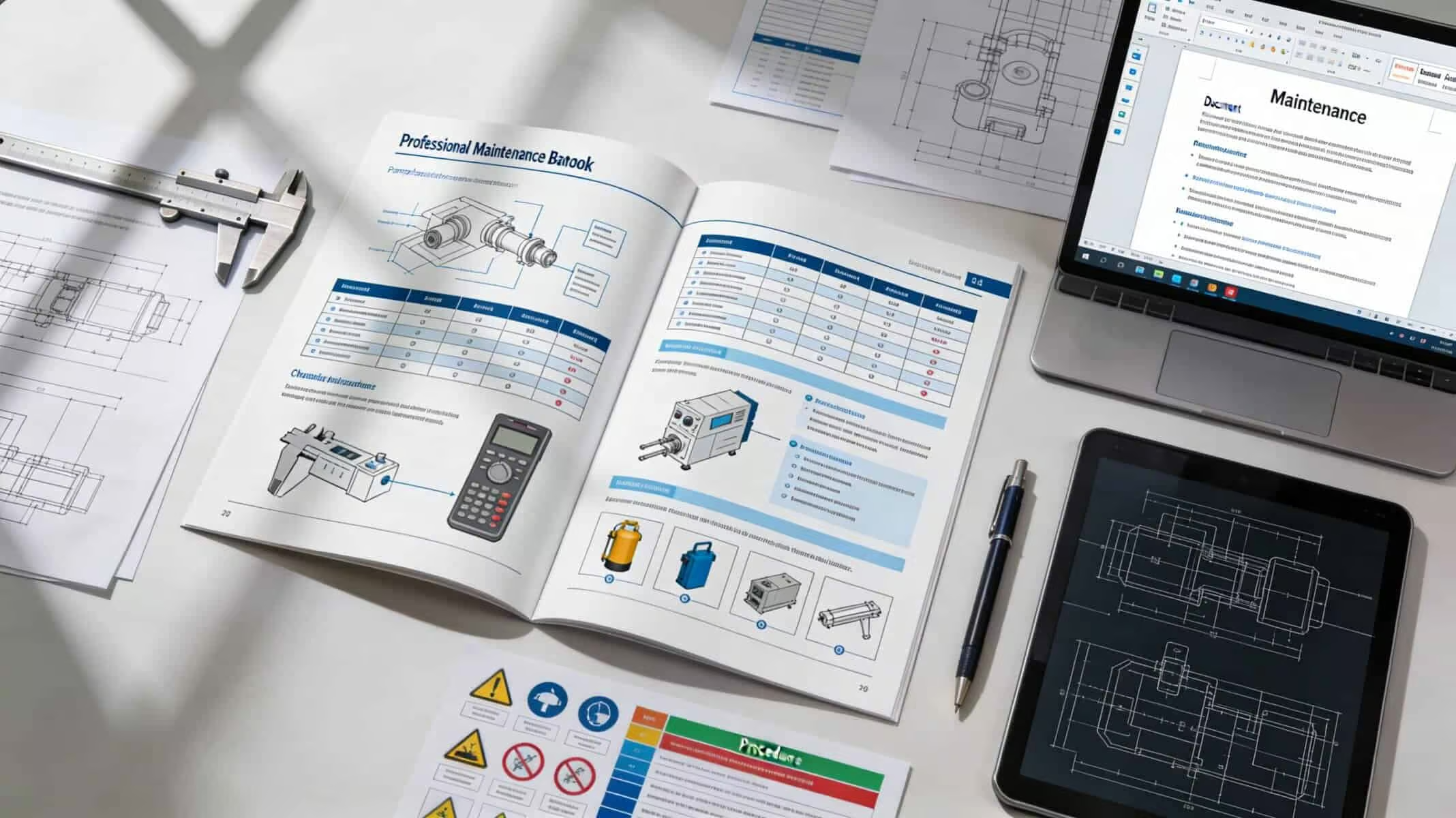
A well-structured maintenance manual is essential for the smooth maintenance of machinery and equipment. In this post, we will show you step-by-step how to create an effective maintenance manual that includes all necessary components and helps you optimize operational processes. Whether you want to create a digital maintenance manual or a template in PDF format – we have compiled the best tips and best practices for you. Let's dive into the world of technical documentation together!
1. Importance of a Maintenance Manual
A maintenance manual is not just a document, but a crucial tool for the effective maintenance of machinery and equipment. It defines the processes and standards required for regular maintenance and ensures that all involved parties have the necessary information to perform their tasks efficiently.
Definition and Purpose
The main goal of a maintenance manual is to provide clear instructions for maintenance and upkeep. This includes everything from describing maintenance intervals to specific procedures for repairs. A well-structured manual helps to minimize downtime and extend the lifespan of equipment.
A common misconception is that a maintenance manual can only be created once and then remains unchanged. In practice, however, it must be regularly updated to account for changes in operating conditions or new technologies.
Benefits for Facility Management
Implementing a maintenance manual offers numerous benefits for facility management. It not only improves efficiency through standardized processes but also ensures that all employees are on the same page. This is particularly important in large companies with multiple locations or departments.
A practical example is a manufacturing company: by introducing a digital maintenance manual, they were able to significantly reduce their response times to machine failures. Technicians had immediate access to relevant information on maintenance logs and specific troubleshooting instructions.
A well-maintained maintenance manual can reduce downtime by up to 30%.
2. Necessary Components of a Maintenance Manual
An effective maintenance manual consists of several essential components aimed at standardizing and optimizing maintenance processes. Basic components include technical specifications, maintenance plans, and safety guidelines.
Technical Specifications
Technical specifications are crucial for understanding the machinery and systems that need to be maintained. They include details such as model numbers, manufacturing years, technical data, and specific maintenance requirements. This information helps technicians make informed decisions about necessary repairs or adjustments.
A common problem, however, is underestimating the depth of these specifications. It is often assumed that basic information is sufficient. In reality, however, preventive maintenance requires detailed data for every component.
Maintenance Plans
Maintenance plans are another central component of a maintenance manual. They specify when and how often maintenance work should be performed. These plans should include both regular inspections and specific measures in case of malfunctions.
A practical example shows a machine manufacturer who was able to reduce their service calls by 20% through a structured maintenance plan. Technicians had clear instructions for performing regular inspections and could thus identify potential problems early on.
Safety Guidelines
Safety guidelines are essential for protecting employees during maintenance work. These guidelines should include clear instructions for the safe handling of machinery as well as emergency procedures.
Adherence to safety guidelines can reduce the risk of workplace accidents by up to 40%.
3. Step-by-Step Guide to Creation
Creating a maintenance manual requires careful planning and execution. The following steps will help you create a comprehensive and effective document that meets the requirements of your machines and systems.
Preparation of Documentation
Before you start writing the maintenance manual, it is important to gather all relevant information. This includes technical data, existing maintenance logs, and safety guidelines. Good preparation minimizes the risk of information gaps and ensures consistent documentation.
Preparation is key to avoiding errors in later documentation.
Collection of Relevant Data
For an effective maintenance manual, specific data about the machines must be recorded. This includes model numbers, technical specifications, and information about previous maintenance work and repairs. A common problem is underestimating the importance of these details; they are crucial for preventive maintenance.
A practical example shows an automotive manufacturer that was able to increase the efficiency of its workshops by 25% through systematic recording of maintenance data. Technicians could access historical data faster, thus making informed decisions.
Structuring of Content
'A clearly structured manual significantly improves usability. Structure the maintenance manual into logical sections such as maintenance plans, safety guidelines, and technical specifications. Use clear headings and consistent formatting to facilitate navigation.'
- Introduction: Overview of the Device and its Applications
- Maintenance Plans: Detailed Schedules for Regular Inspections
- Safety Guidelines: Instructions for Safe Operation of the Device
The right structure ensures that technicians can quickly find what they need. Ambiguities or missing information often lead to delays in maintenance.
4. Best Practices for Documentation
A maintenance manual is a living document that must be regularly updated to remain relevant. Practice shows that many companies underestimate this necessity. Regular updates ensure that all information about maintenance logs and technical changes is always up-to-date.
Regular Updates
The need for regular updates cannot be stressed enough. A maintenance manual quickly loses value if it is not adapted to new technologies or changed operating conditions. Companies should set a fixed timeframe for updates and integrate them into the annual maintenance plan.
A practical example is a facility management company that reviews its maintenance manual quarterly. This routine has ensured that they not only have up-to-date information but can also identify and prevent potential problems early on.
Regular updates can increase the efficiency of maintenance processes by up to 25%.
Incorporation of Feedback
Incorporating feedback from daily operations is crucial for the continuous improvement of the maintenance manual. Technicians and employees who work with the content daily can provide valuable suggestions.
An example of this could be a manufacturing plant where technicians regularly provide feedback on maintenance procedures. This feedback often leads to adjustments in the manual that improve both usability and the efficiency of maintenance work.
Use of CAFM Software
The use of CAFM software (Computer-Aided Facility Management) can significantly simplify the entire process of creating and maintaining a maintenance manual. With this software, documents can be stored centrally and updated easily. Furthermore, many systems offer functions for monitoring maintenance cycles and managing feedback.
A specific example is a logistics company that, by implementing a CAFM solution, was able to automatically supply its digital maintenance manual with the latest information. This not only reduced administrative effort but also improved response times for maintenance requests.
5. Examples of Successful Maintenance Manuals
Implementing an effective maintenance manual can significantly optimize the maintenance process. Successful companies demonstrate how a well-structured manual not only simplifies maintenance work but also increases efficiency. Two case studies are presented here to illustrate this.
Case Study 1
Company A, a medium-sized mechanical engineering company, has implemented a digital maintenance manual tailored to the specific requirements of its production line. By utilizing real-time data, technicians could immediately access relevant maintenance information, thereby optimizing the maintenance process. This measure led to a 20% reduction in machine downtime.
A common misconception in this context is the assumption that a digital solution alone is sufficient. In practice, it is crucial that the team is trained to use the system effectively. Company A found that regular training on using the maintenance manual was necessary to derive the full benefit from the new technology.
Case Study 2
Company B, a large provider in the field of building management, also decided to create a maintenance manual in the form of a PDF document. This allowed for easy distribution to all employees and ensured consistent information on maintenance procedures and safety guidelines. The introduction of this documentation led to a 30% improvement in response times for maintenance requests.
An important insight from this case study is the need for a clear communication strategy. Without regular updates and feedback from technicians, the manual could quickly lose relevance. This shows that even a well-developed maintenance manual must be continuously monitored and adapted.
A successful maintenance manual requires not only good content but also continuous training and feedback mechanisms.
