
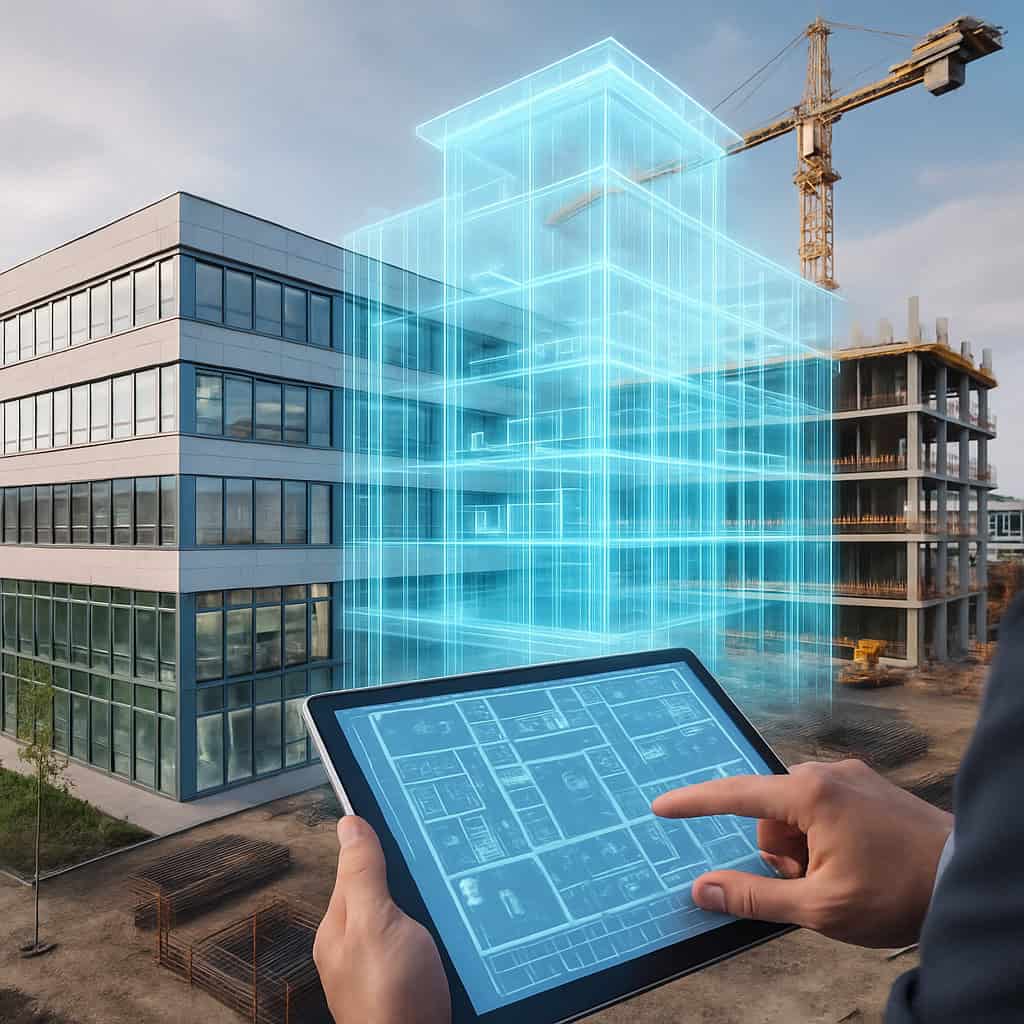
In this introduction, we will explore how BIM models can be used in practice to building management optimize. We will look at the different aspects of BIM planning, including the role of architectural software and the benefits of collaborative planning. We will also take a look at how a well-thought-out BIM-strategy can help you optimize the construction process and implement.
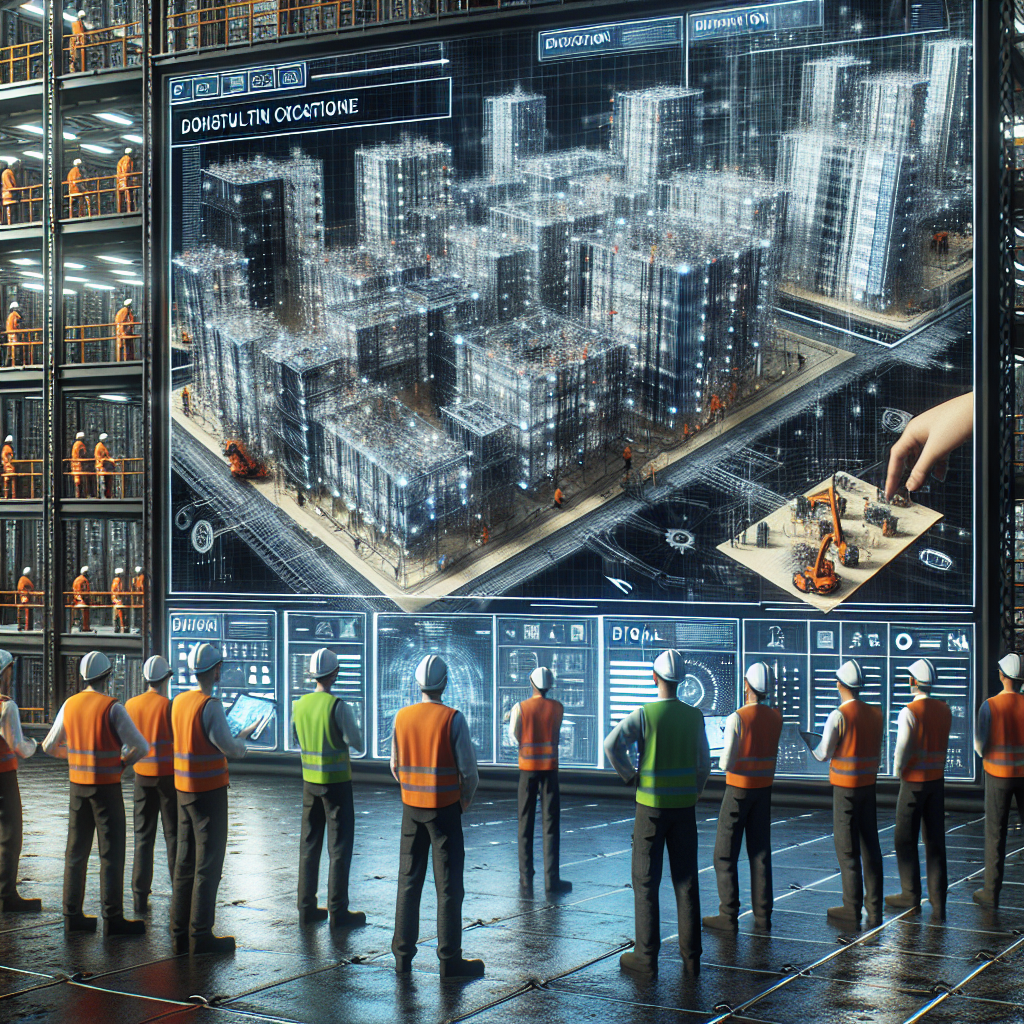
Tip: Start with a clear BIM-strategy! A well-thought-out plan can make the difference between a smooth construction process and unexpected challenges.
What are BIM Models?
When we talk about BIM models we enter the fascinating world of Building Information Modeling. But what exactly is behind this term? Let's take a look!
BIM, or Building Information Modeling, is a revolutionary approach in the construction industry that enables the creation and management of digital models of buildings. These models are far more than just 3D representations; they integrate all relevant data information about a structure – from the materials used to the costs and schedules.
Did you know that according to a McKinsey study, the implementation adoption of BIM technologies can increase efficiency in the construction industry by up to 20%? That's no small feat!
Advantages of BIM Models
- Collaboration: Thanks to collaborative planning, all parties involved – architects, engineers, and contractors – can access the same model in real-time.
- Cost Control: With precise data, budgets can be better monitored and unexpected costs minimized.
- Time Savings: Digital construction planning accelerates the entire process, as planning errors can be identified early on.
- Better Quality: By using intelligent modeling solutions, susceptibility to errors is reduced and the quality of the final product is improved.
- Sustainability: BIM models support sustainable construction by enabling more efficient resource utilization and material selection.
BIM Modeling is not just a trend, but a necessity for modern construction industry. Integrating this technology into your projects can make the difference between a successful and a chaotic construction project. So grab your architectural software and dive into the world of digital twins!
BIM Software and Its Applications
In the world of BIM Modeling play BIM Software and their applications play a central role. They are the tools that enable architects, engineers, and construction managers to efficiently plan and manage digital construction projects. But what specific applications exist and how do they contribute to optimization of building management?
The Role of Architecture Software in BIM Modeling
Architecture software is the heart of any successful BIM Planning. These software solutions offer 3D modeling functions in construction, enabling the creation of realistic digital models of buildings. An example of this is Autodesk Revit, which is excellent for creating integrated building models.
Digital Construction Planning and 3D Modeling in Construction
Digital construction planning has revolutionized the entire planning process. With state-of-the-art 3D modeling tools, all stakeholders can visually understand what the final building will look like. This not only promotes communication between project partners but also allows for early problem detection.
Planning Software for Architects and Engineers
For architects and engineers, there are a variety of specialized planning software solutions. This software offers functions such as:
- Clash detection in BIM models: Avoidance of clashes between different trades.
- Automated construction documentation: Efficient creation of all required Documents during the entire construction process.
- 4D BIM simulations: Visualization of the schedule in the context of the model.
Tip: When selecting your BIM Software ensure that it is user-friendly and integrates seamlessly into your existing ITinfrastructure !
BIM for Engineers: Collaboration in the Construction Process
BIM software promotes collaborative planning through shared platforms where all participants can access information in real-time. This not only improves efficiency, but also minimizes misunderstandings throughout the entire project.

Digital Project Coordination through Integrated Building Models
One of the biggest benefits of BIM software is the ability for digital project coordination through integrated building models. These models contain all relevant data on materials, schedules, and costs in one central location. This makes the entire construction process more transparent and controllable.
The introduction of BIM technology can reduce planning effort by up to 30%.
In summary, the right selection of BIM software is crucial for the success of any construction project. By using modern technologies, companies can not only increase their efficiency but also promote sustainable practices in construction.
Collaborative Planning with BIM Technology
The collaborative planning is a crucial aspect of the modern construction industry, and with the introduction of BIM technology the way engineers, architects, and construction managers collaborate has been revolutionized. By utilizing BIM models not only increases efficiency but also significantly improves the quality of projects.
BIM for Engineers: Collaboration in the Construction Process
Engineers are often the unsung heroes of a construction project. They ensure that everything runs smoothly. With the BIM Modeling engineers can work in a shared digital environment where all stakeholders have access to the same information. This enables:
- Real-time coordination: Changes to a model are immediately visible to everyone.
- Clash detection: Problems are detected early and can be resolved before they lead to expensive delays.
- Improved communication: All team members are on the same page, which minimizes misunderstandings.
Digital Project Coordination through Integrated Building Models
Digital project coordination is another advantage of BIM technologies. By using integrated building models, all aspects of a project can be managed – from the Architecture to the Structural engineering up to technical building equipment – seamlessly connected. This leads to:
- Better Overview: All data is bundled in one place and easily accessible.
- Simple adjustments: Changes to one part of the model automatically affect other areas.
- Faster decision-making: With complete information, decisions can be made more quickly.
Did you know? Studies show that projects with collaborative planning through BIM technology can be completed up to 30% faster!
Therefore, it is essential that companies invest in the right BIM Software and develop a clear BIM-strategy . If you haven't jumped on the bandwagon yet, it might be time to rethink your approach to construction project management!
BIM Strategies for Effective Building Management
The implementation of BIM models in the Building Management is like creating the perfect playlist – it requires careful planning, the right Tools and a clear strategy. A well-thought-out BIM-strategy can not only optimize the construction process but also increase efficiency throughout the entire lifecycle of a building.
Development of an Effective BIM Strategy
To develop a successful BIM strategy, the following steps should be considered:
- Define goals: Determine what you want to achieve with your BIM implementation Is it about cost reduction, time savings, or quality improvement?
- Involve stakeholders: All stakeholders – from the architect to the facility manager – should be integrated into the planning process. Only then can collaborative planning be ensured.
- Select BIM software: Choose the appropriate BIM Software, which meets your requirements and integrates seamlessly into your existing processes.
- Offer training: Invest in training for your team. Understanding BIM modeling and related Tools is crucial for success.
BIM Documentation and Automated Construction Documentation through BIM Systems
A central component of any BIM strategy is careful documentation. Here are some benefits of automated documentation processes:
- Real-time data access: All relevant information is immediately available, which speeds up decision-making processes.
- Clash detection: By using 4D BIM simulations, potential problems can be identified and resolved early on.
- Defect tracking: With modern BIM platforms, defects can be efficiently documented and tracked, which improves quality assurance.
Tip: Use integrated building modeling tools to optimize the entire construction process and ensure that all data is consistent. This reduces sources of error and improves the overall quality of the project.

Ultimately, the success of your BIM strategy depends on how well you can implement these principles. Remember: A good strategy is like a good recipe – it requires the right ingredients at the right time!
Optimizing the Construction Process with 4D BIM Simulations
The world of construction planning has been revolutionized with the introduction of 4D BIM simulations . But what exactly does that mean? Imagine being able to not only see what your BIM model looks like, but also how it develops over time. This is exactly what 4D BIM technology enables – adding a temporal dimension to the existing 3D models.
This technique is not just a fancy gadget for architects; it's a real game-changer in the Construction process optimization. Here are some benefits and application examples:
- Clash detection in BIM models: One of the most common challenges in construction are collisions between different trades. With 4D BIM, you can identify and resolve these problems early before they lead to costly delays.
- Defect tracking via BIM platforms: Quality assurance is significantly improved through digital tools. Defects can be captured and tracked in real-time, which increases efficiency and reduces the likelihood of rework.
- Real-time project coordination: With 4D BIM simulations, all stakeholders - from the architect to the engineer to the construction manager - can collaborate in an integrated model. This promotes collaborative planning and minimizes misunderstandings.
- Time Management: Through the Visualization By understanding the construction process, schedules can be created more effectively. This not only helps with meeting deadlines but also with optimal resource utilization.
Tip: Use specialized BIM Software, to create your 4D simulations. Many programs offer integrated functions for creating schedules and performing clash detection.
A practical example: In a large residential construction project in Berlin, 4D BIM technology was used to simulate the entire construction process. The results were impressive: ancillary construction costs could be reduced by up to 15% because unexpected problems were identified and resolved early.
Despite these advantages, there are some common misconceptions about 4D BIM simulations. Many believe that this technology is only suitable for large projects or that it is extremely expensive. In reality, even a small project can benefit significantly from this type of planning – in terms of both cost and time!
In summary, integrating 4D BIM simulations into your BIM Planning is not just a technical gimmick; it can actually help make your projects more efficient and successful. Remember: If you want to shape the Future of construction, you should embrace the latest technologies Step !
Sustainable Construction with BIM Approaches
The topic of sustainable construction is not just a trend, but a necessity in today's construction industry. By applying BIM models , architects and engineers can develop innovative approaches to reduce the ecological footprint.
With BIM Modeling , the entire lifecycle of a building is considered, from planning through construction to use and demolition. Here are some ways BIM approaches can improve the Sustainability promote in construction:
- Intelligent Modeling Solutions: By using digital twins, planners can simulate various scenarios and select the most environmentally friendly options.
- Integration of Sustainable Materials: BIM software allows for the direct integration of sustainable materials and techniques into digital models. This enables the use of environmentally friendly alternatives right from the planning phase.
- Energy Efficiency: With 3D modeling in construction, energy flows can be simulated, leading to better planning of heating, ventilation, and air conditioning systems.
- Clash detection: By detecting conflicts between different trades early on, not only time is saved, but also unnecessary material consumption is avoided.
BIM also promotes collaboration among all stakeholders through collaborative planning. This leads to more efficient resource utilization and minimizes waste throughout the entire construction process. An example of this is the use of 4D BIM simulations, which visualize temporal sequences to optimize the construction process while keeping sustainability goals in mind.
Tip: Ensure that your BIM strategy also includes aspects of sustainability. Integrated building models should not only be functional but also meet ecological standards!

In summary, sustainable construction with BIM approaches is not only possible but also necessary for a future-proof construction industry. The implementation of these technologies can bring significant benefits – both for the project and for our planet.
Conclusion: The Future of Building Management with BIM Models
The BIM Modeling is not just a trend – it is the Future of building management. With the advancing Digitalization and the development of intelligent modeling solutions in construction the way we plan, build, and manage buildings is being revolutionized.
A central aspect of this revolution is the use of digital twins, which enable real buildings to be mapped in virtual environments. These digital replicas offer not only a visual representation but also deeper insights into the entire lifecycle of a building. This allows engineers and architects to identify problems early and implement solutions faster.
Tip: Invest in modern BIM Software, to make your projects more efficient. The right software can make the difference between a smooth construction process and a chaotic project.
Another advantage of BIM Planning is the possibility for collaborative planning. By exchanging information in real-time, all parties involved – from the architect to the engineer to the construction manager – can work together seamlessly. This not only promotes efficiency but also reduces the risk of errors.
BIM for Sustainable Construction
The integration of sustainable materials and techniques into digital twins also supports the goal of sustainable construction. With the help of BIM approaches, companies can minimize their environmental impact while simultaneously reducing costs. This is becoming increasingly important in a world that is increasingly focused on sustainability.
Looking Ahead
Overall, it is clear that building management with BIM models can be made not only more efficient but also future-proof. Companies that adopt these technologies early will enjoy a clear competitive advantage. The Future belongs to those who are willing to adapt and pursue innovative paths.
Takeaway: To be successful in modern building management, you should thoroughly investigate the implementation of BIM strategies. Start optimizing your processes today!
, to make your projects more efficient. The right software can make the difference between a smooth construction process and a chaotic project.Top.featuredimage img { width: 100%; height: 100%; top: 50%; left: 50%; object-fit: cover; position: absolute; transform: translate(-50%, -50%); } article p { line-height: 30px; } article ol li, article ul li { line-height: 30px; margin-bottom: 15px; } article blockquote { border-left: 4px solid #ccc; font-style: italic; background-color: #f8f9fa; padding: 20px; border-radius: 5px; margin: 15px 10px; } article div.info-box { background-color: #fff9db; padding: 20px; border-radius: 5px; margin: 15px 0; border: 1px solid #efe496; } article table { margin: 15px 0; padding: 10px; border: 1px solid #ccc; } article div.info-box p { margin-bottom: 0; margin-top: 0; } article span.highlight { background-color: #f8f9fb; padding: 2px 5px; border-radius: 5px; } article div.info-box span.highlight { background: 0 0 !important; padding: 0; border-radius: 0; } article img { max-width: 100%; margin: 20px 0; }
