key figures

CAFM-Blog.de | AI Applications in Facility Management: Increasing Efficiency through Intelligent Technology

AI Applications in Facility Management: Efficiency Increase through Intelligent Technology

The integration of artificial intelligence (AI) into facility management has increased significantly in recent years. AI technologies enable more efficient management and optimization of buildings and facilities. In facility management, AI uses algorithms and machine learning for data analysis, pattern recognition, and forecasting. Areas of application include building automation, energy management, predictive maintenance, and space planning. The implementation of AI solutions promises an increase in operational efficiency, a reduction in operating costs, and an improvement in user experience. Given the increasing [...]

AI Applications in Facility Management: Efficiency Increase through Intelligent Technology Read more »

CAFM-Blog.de | Increasing Efficiency in Facility Management Through Hyper-Automation

Increasing Efficiency in Facility Management through Hyper-Automation

Hyperautomation in Facility Management is an advanced approach to process optimization through the integration of modern technologies. Artificial intelligence, the Internet of Things (IoT), and automation technologies are combined to improve operations and increase efficiency. This method enables the automation of recurring tasks, real-time data collection and analysis, and data-driven decision-making. Key benefits of hyperautomation in facility management include: Increased efficiency through automation of manual processes Improved data utilization for informed decisions Cost reduction through optimized

Increasing Efficiency in Facility Management through Hyper-Automation Read more »

CAFM-Blog.de | Administrative Modernization with CAFM

Modernizing Administration with CAFM

Computer Aided Facility Management (CAFM) is an integrated software solution for managing properties and technical facilities. It includes various functions such as resource management, maintenance planning, space management, and operating cost recording. CAFM systems enable centralized data management and process optimization in facility management. The use of CAFM software leads to simplification and increased efficiency of administrative processes. This results in time and cost savings as well as increased productivity. Through systematic planning of maintenance and upkeep measures, availability can also be

Modernizing Administration with CAFM Read more »

CAFM-Blog.de | The Future with Edge Computing

The Future with Edge Computing

Edge computing is a concept in information technology that moves data processing and analysis closer to the location where data is generated. Instead of sending data to remote data centers, processing occurs directly at the edge of the network, close to end devices or sensors. This enables faster data processing and reduces the volume of data that needs to be transmitted. This technology is particularly important in areas that require real-time processing and low latency, such as Industry 4.0, the Internet of Things

The Future with Edge Computing Read more »

CAFM-Blog.de | Hyper-Automation for FM Service Providers

Hyper-automation for FM service providers

Hyperautomation is a significant concept in Facility Management (FM) that has gained increasing relevance in recent years. This concept aims to optimize processes, reduce costs, and increase efficiency. By using hyperautomation, FM service providers can automate recurring tasks and utilize their resources more effectively. The implementation of hyperautomation enables FM companies to react faster to changing requirements and improve service quality for customers

Hyper-automation for FM service providers Read more »

CAFM-Blog.de | Performance & Flexibility: CAFM Hosting for Successful Facility Management

Performance & Flexibility: CAFM Hosting for Successful Facility Management

CAFM hosting, also known as Computer Aided Facility Management hosting, is a central component in modern facility management. It allows companies to operate their facility management software in a cloud environment. This offers several advantages: 1. Increased efficiency and optimized resource utilization 2. Improved performance and scalability 3. Access to a variety of specialized functions and services 4. Reduction of operating costs 5. Automatic updates and security updates CAFM hosting helps to streamline facility management processes

Performance & Flexibility: CAFM Hosting for Successful Facility Management Read more »

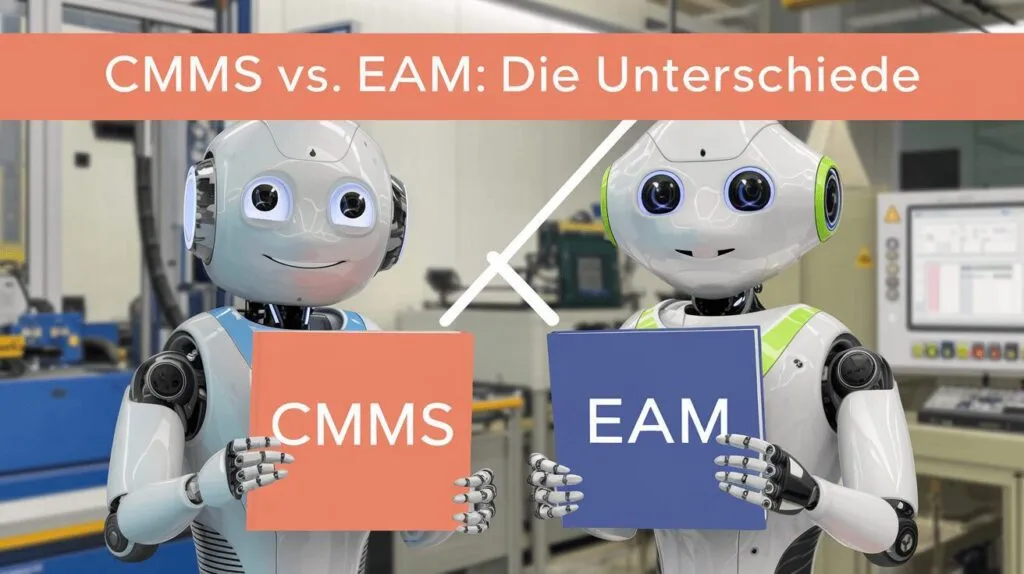
CAFM-Blog.de | CMMS vs. EAM: The Differences

CMMS vs. EAM: The Differences

Software integration is a central aspect of modern information technology. It enables seamless interaction between different applications and systems. Through integration, companies can increase their efficiency and productivity by optimizing the exchange of data and processes between different systems. A key advantage of software integration is the ability to improve existing systems and introduce new technologies without having to undertake a complete redesign of the IT infrastructure. This makes

CMMS vs. EAM: The Differences Read more »

CAFM-Blog.de | Efficient Property Management with CAFM Software

Future Developments in CAFM

Computer Aided Facility Management (CAFM) refers to the use of information technology for the efficient management of real estate and facilities. CAFM systems integrate various functions such as space planning, maintenance management, energy management, environmental and sustainability management, as well as the integration of IoT devices and artificial intelligence. These systems process and analyze large amounts of data to enable informed decisions and increase the efficiency of real estate and facilities. In recent years, the implementation of CAFM systems has increased significantly, as companies

Future Developments in CAFM Read more »

CAFM-Blog.de | Digital Transformation in Facility Management

Digital Transformation in Facility Management

The digital transformation has had a profound impact on all economic sectors in recent years, including facility management. The integration of digital technologies in this area enables companies to optimize their operational processes, achieve cost savings, and increase efficiency. Through the use of IoT devices, big data analytics, artificial intelligence, and automated processes, facility managers can capture and analyze real-time data to make informed decisions and improve the performance of their facilities. Digital transformation promotes

Digital Transformation in Facility Management Read more »

CAFM-Blog.de | Facility Management Software: Efficient Management Solutions

Facility Management Software: Efficient Management Solutions

Facility management software is a specialized technology solution for the efficient management and optimization of company resources and infrastructures. This software provides a centralized platform for managing properties, assets, and other operational resources. It enables effective planning of maintenance work, optimization of resource utilization, and reduction of operating costs. A significant advantage of facility management software is the improvement of operational efficiency and productivity. Through process automation and

Facility Management Software: Efficient Management Solutions Read more »

CAFM-Blog.de | What are the challenges of maintaining buildings and facilities?

What are the challenges of maintaining buildings and facilities?

The maintenance of buildings and facilities is an essential part of facility management. It includes all technical, administrative, and organizational measures to maintain or restore the functional condition of properties and technical equipment. Key tasks include preventive maintenance, inspection, repair, and improvement. The importance of maintenance extends to various sectors such as industry, commerce, and public institutions. It significantly contributes to value preservation, operational safety, and energy efficiency. Modern maintenance concepts consider

What are the challenges of maintaining buildings and facilities? Read more »

CAFM-Blog.de | The Costs of Not Using CAFM

Facility Management Tools: Efficient Management and Optimization

Facility management tools play a central role in modern business management. They enable efficient management and optimization of operational processes as well as improved resource utilization. These software solutions support facility managers in the comprehensive control of all aspects of building management, including maintenance, upkeep, space planning, and utilization. The use of facility management tools demonstrably leads to cost savings, productivity increases, and enhanced customer satisfaction. By integrating data collection and analysis functions, these tools enable informed decision-making processes

Facility Management Tools: Efficient Management and Optimization Read more »

CAFM-Blog.de | Introduction to CAFM Solutions: What Is It?

Introduction to CAFM Solutions: What Are They?

Computer Aided Facility Management (CAFM) is a computer-aided system for managing and optimizing buildings and facilities. It integrates various aspects of facility management into a central software solution. CAFM systems enable efficient planning, control, and monitoring of resources, processes, and services in real estate and technical facilities. Key functions of CAFM systems include: Space management Maintenance management Energy management Contract management Cleaning management Relocation management Document management CAFM software is based on a central database that contains all relevant information about

Introduction to CAFM Solutions: What Are They? Read more »

CAFM-Blog.de | What are Containers in Software Development?

The Future of Low-Code/No-Code Platforms

Low-code/no-code platforms are innovative development environments that enable the creation of applications without extensive programming knowledge. These platforms use visual development tools and pre-built components to simplify and accelerate the development process. Low-code platforms automatically generate a large portion of the code, while no-code platforms operate entirely without manual programming. Users can create complex applications using intuitive drag-and-drop functions and modular building blocks. The use of low-code/no-code platforms has increased significantly in recent years. They offer companies the opportunity to

The Future of Low-Code/No-Code Platforms Read more »

CAFM-Blog.de | The digital transformation of property and building management in municipalities

The Digital Transformation of Property and Building Management in Municipalities

The digital transformation in property and building management has gained significant importance in recent years. Through the use of digital technologies and processes, more efficient management, maintenance, and optimization of properties and buildings are enabled. This leads to improved resource utilization, increased sustainability, and cost savings. Digitization enables the capture, analysis, and use of real-time data, which supports informed decisions and performance enhancement of properties and buildings. Intelligent technologies such as

The Digital Transformation of Property and Building Management in Municipalities Read more »

Scroll to Top