
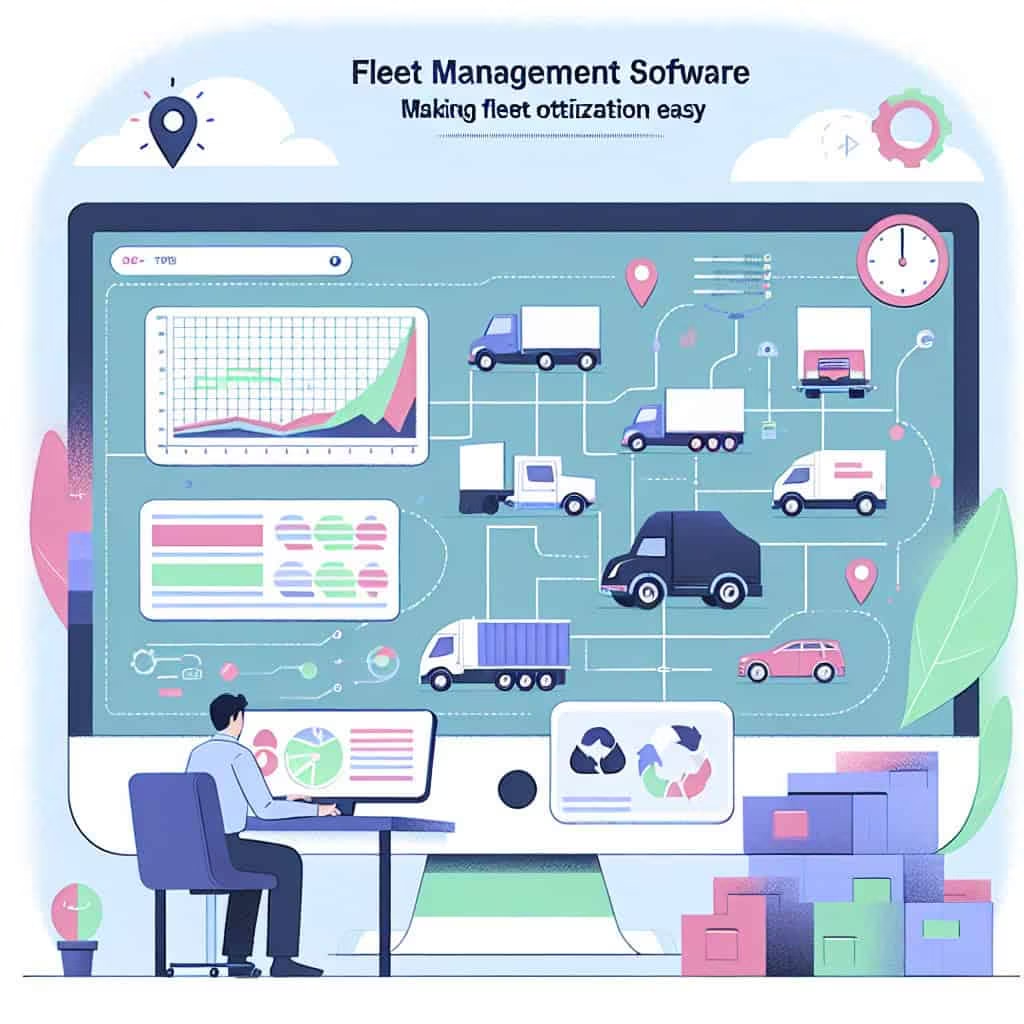
Why is Fleet Management Software Necessary?
Traditional methods of fleet management, such as manual records and spreadsheets, are not only prone to errors but also time-consuming. Modern fleet management software automates many of these processes and offers a variety of benefits:
- Cost control: By precisely monitoring fuel consumption and maintenance costs, companies can avoid unnecessary expenses.
- Real-time monitoring: With GPS fleet tracking systems managers always maintain an overview of the location and condition of their vehicles.
- Safety improvements: Integrated driver assistance systems and driver data management help to minimize risks.
Future-Proof Fleet Optimization
Comprehensive digital fleet management goes beyond simple vehicle tracking. The best systems also offer features for fleet budgeting, route optimization, and even idle time prevention. This not only leads to more efficient use of vehicles but also contributes to a lower environmental impact – a win-win for everyone involved.
According to a study by Frost & Sullivan, more than 40% of corporate fleets are expected to be equipped with telematics solutions by 2025. This trend indicates that companies will increasingly rely on data-driven decisions to optimize their fleet management.
Overall, well-implemented fleet management software can not only significantly reduce administrative effort but also extend the lifespan of your vehicles and increase the safety of your drivers. A clear case of 'less stress on the roads' then!
Benefits of Fleet Management Software
In today's fast-paced world, where efficiency and cost savings are paramount, fleet management software is Fleet Management Software more than just a practical tool – it's a real game-changer. Companies that switch to digital fleet management often experience a range of benefits that optimize both their profitability and their operations.
Cost Management and Transparency
One of the main advantages is Fleet Cost Managementcost management for the fleet. By using comprehensive software solutions, hidden costs can be made visible. Real-time fleet analysis, for example, allows for monitoring fuel consumption and identifying potential savings. Lower fuel consumption ultimately means more money in the bank. A study by Frost & Sullivan shows that companies can reduce their fuel costs by up to 15% through efficient vehicle management.
Increasing efficiency through digitalization
Digital transformation brings tools like telematics solutions and GPS fleet tracking, which not only improve vehicle tracking but also contribute to route optimization. Thanks to optimized route planning, companies can avoid idle times and thus increase productivity.
Simple maintenance planning
No more worries about missed inspections or unplanned downtime! With the help of Fleet Maintenance Software maintenance software for the fleet, maintenance schedules can be automated and proactively managed. This not only leads to a reduction in unexpected repair costs but also improves the lifespan of the vehicles.
Improving safety and compliance
- Vehicle performance monitoring: Regular inspections ensure that all vehicles are in perfect condition.
- Data-driven decisions: With comprehensive Usage analyses companies can make informed decisions.
- Regulatory compliance: Automated reporting helps with compliance with regulatory requirements.
In summary: For any company looking to increase its fleet efficiency, modern fleet management software offers significant optimization potential. And let's be honest – who wouldn't want to cover more miles with less fuel? Less refueling means more driving pleasure – at least for the wallet!
How Digital Fleet Management Increases Efficiency
In today's fast-paced business world, efficiency is not just a buzzword, but a necessity. Digital fleet management plays a central role in this, to increasing fleet efficiency. Thanks to modern technologies and innovative software solutions, companies can not only optimize their fleet operations, but also make them smarter and more cost-effective.
1. Real-time fleet analysis
By utilizing real-time fleet analysis, fleet managers can gain immediate insights into the operational status of each vehicle. Whether it's maintenance requirements or identifying inefficient routes – everything is monitored in real-time, minimizing delays and unnecessary downtime.
2. GPS fleet tracking
The integration of GPS fleet tracking systems into fleet management software allows managers to keep an eye on every mile. For example, fuel consumption can be effectively monitored. This not only reduces costs but also contributes to reducing the ecological footprint – a small step for the company, a giant leap for the planet.
- Fleet cost management: Identify unnecessary expenses and optimize your resources.
- Odometer tracking systems: Prevent inappropriate use or misuse of your vehicles.
- Route optimization software: Find the most efficient route to your destination and significantly reduce travel times.
3. Automated reporting
Nothing brings more joy than a report that writes itself! With digital fleet management, manual reports are a thing of the past. Through automated fleet reporting , managers have more time to focus on strategic decisions instead of spending hours on tabular documentation.
Ultimately, the digital transformation in fleet management ensures that all stakeholders benefit: drivers are safer on the road, managers have less stress from routine tasks, and the company saves costs with a smile. Because who would have thought that technology could not only be efficient but also so much fun? 😉
Cost Savings Through Optimized Fleet Utilization
An efficiently managed fleet can lead to significant cost savings. The use of Fleet Management Software is key to sustainable optimization. But how exactly can this potential be tapped?
1. Reduction of fuel costs
One of the biggest cost factors in a fleet is fuel consumption. With effective Fuel consumption monitoring and GPS fleet tracking , fleet managers can analyze and optimize consumption. Inefficient driving styles can be identified and corrected, which can significantly reduce fuel consumption.
2. Minimizing maintenance costs
With the help of Fleet maintenance software companies can create proactive maintenance plans that reduce the risk of expensive repairs. Regular maintenance ensures that vehicles remain in good condition for longer and their performance is optimized.
3. Increasing efficiency through route optimization
Route optimization software helps plan the most efficient routes, which not only saves time but also reduces wear and tear on vehicles. This can lead to a reduction in mileage and associated costs.
4. Avoiding idle times
Nothing is more expensive than idle vehicles. By using Real-time fleet analysistools, managers can identify where unnecessary idling occurs and effectively reduce it.
5. Automated reporting for better budget control
- Odometer tracking systems: Precise mileage tracking helps with budget planning and avoids unexpected costs.
- Vehicle usage analysis software: Provides insights into actual vehicle usage and supports decisions on fleet reduction or expansion.
- Timely reports: Automated reporting allows for faster responses to deviations from the budget plan.
Ultimately, the introduction of modern digital fleet management solutions, such as telematics or vehicle tracking systems, helps companies to continuously monitor and improve their fleet utilization. This not only leads to savings but also provides added value for the entire organization through increased efficiency and more sustainable processes.
Future Prospects for Fleet Management
The future of fleet management promises an exciting journey into the world of digitalization and innovation. With rapid technological advancements, digital transformation is becoming increasingly present in the industry, opening up new opportunities for efficiency gains and cost optimization.
Telematics solutions and vehicle tracking systems
- GPS fleet tracking: Modern telematics solutions enable precise real-time GPS tracking of vehicles. This improves route planning and helps minimize idle times.
- Vehicle usage analysis software: By capturing driver data, companies can make informed decisions to increase fleet efficiency.
According to a study by Frost & Sullivan, the market for vehicle telematics is expected to grow to over 100 billion US dollars worldwide by 2025.[1]. This development clearly shows how important telematics will be for future fleet management.
Artificial intelligence and automation
- Automated reporting: Modern software solutions offer automated reports that allow for detailed analysis of fleet usage. This saves time and improves decision-making.
- Real-time fleet analysis: AI-driven systems can process large amounts of data to predict maintenance needs, thus avoiding costly failures.
With the help of artificial intelligence, fleets will not only be managed more efficiently in the future but also operated more safely. The integration of driver assistance systems could help to significantly reduce accident rates.
Diversification of mobility solutions
- Leasing Contract Management: More flexible vehicle leasing models allow companies to adjust their fleet according to their needs.
- Use of Electric Vehicles: With growing environmental awareness, the integration of electric vehicles into the fleet is becoming increasingly relevant. However, this also requires a rethink of the infrastructure for charging these vehicles.
Adapting to new mobility trends is crucial for sustainable growth in the field of fleet management, while a focus on environmental compatibility can also bring tax incentives[2].
In summary, it can be said: The journey towards the future of fleet management is exciting and full of optimization potential. It's not just about keeping up, but about being one step ahead – or as one would say in the digital age: 'always staying up-to-date with software updates'!
[1] Source: Frost & Sullivan – Growth Opportunities in the Global Vehicle Telematics Market.
[2] Source: German Energy Agency – Electromobility as part of the mobility transition.
Conclusion: The Importance of Modern Fleet Management Software
In today's dynamic business world, efficiency and cost savings are not just goals, but necessities. Modern Fleet Management Software has established itself as an essential tool for fleet optimization. But what makes these digital helpers so indispensable?
First of all, a good Fleet Management Software offers a comprehensive range of functions, which go far beyond simple vehicle tracking. From GPS fleet tracking to real-time fleet analysis – these tools are as versatile as the tasks themselves. And yes, they can even maintain the electronic logbook, saving us the annoying paperwork.
The versatility of functions
- Fleet cost management: By precisely capturing fuel consumption, maintenance costs, and leasing contracts, companies can accurately monitor and optimize their expenses.
- Telematics Solutions: These enable seamless monitoring and analysis of driver data – a boon for managers who need to focus on both efficiency and safety.
- Automated reporting: With just a few clicks, comprehensive utilization reports can be generated, helping to avoid idle times and increase fleet efficiency.
According to a study by Frost & Sullivan, the market for fleet management systems is expected to grow by 15% annually by 2025 (Source: Frost & Sullivan). This clearly shows the trend towards digital transformation in fleet management.
And what would a modern solution be without a certain amount of humor? Imagine your software could cheerfully inform you in the morning: "Don't worry, your vehicle wasn't stolen overnight. Thanks to GPS!"
In summary, investing in modern fleet management software pays off – not only in hard cash through savings, but also through the time savings and peace of mind it offers you. It's time for companies to leverage these digital tools to stay one step ahead in a competitive market.
