
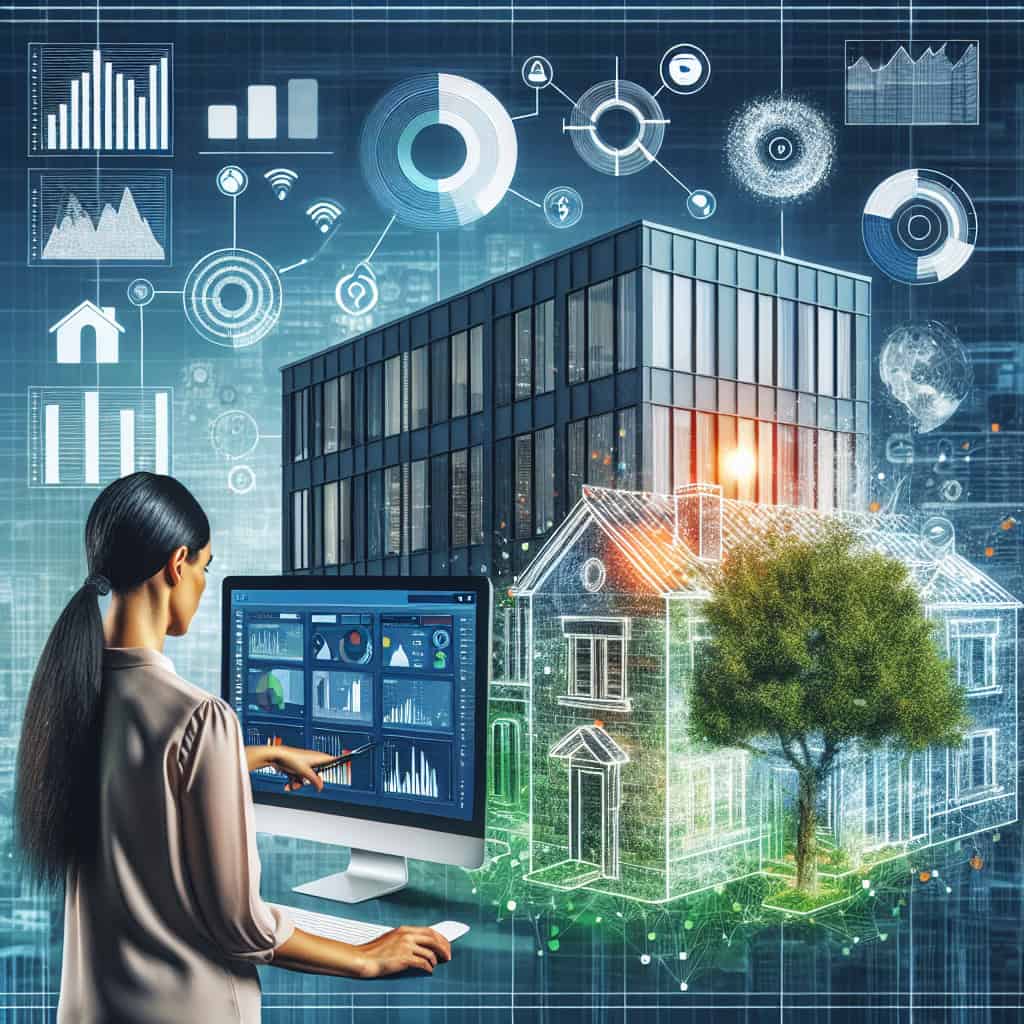
- Energy Analysis: Identify inefficiencies through detailed reports and customization suggestions.
- Real-time energy monitoring: Monitor energy consumption in real-time and make informed decisions.
- Create energy reports: Automated reporting helps with Visualization of trends and progress in energy saving.
- Energy consumption optimization: Reduce unnecessary energy costs through targeted optimization measures.
- Energy controlling: Maintain control over your energy costs with comprehensive controllingTools.
According to a study by the Fraunhofer Institute, the use of Energy Management-systems can reduce energy consumption by up to 20%. (Fraunhofer Institute) This is not only good for your operating costs, but also for our planet!
Integrating these systems into the Building Management requires skill and strategic thinking – a type of management where digital solutions are unstoppable allies. To learn more about such innovative approaches in operations, take a look at our discussion on digital Reporting Management in claims processing: Digital Reporting Management.
Besides the obvious Cost savings , a sophisticated sustainability strategy also contributes to your company's positive image. Who wouldn't like to have the title "Eco-Champion" on their business card?
Functions and Benefits of Energy Management Software
The use of Energy Management Software represents a significant Step to promote a company's sustainability strategy. But what functions does this software specifically offer, and what In practice, CAFM software is typically used by facility management departments or external service providers. The software is used to plan and carry out maintenance work, manage rooms and areas, and does it offer for the Building Management?
Diverse Functions of Energy Management Software
- Energy Analysis: This function allows companies to monitor and analyze energy consumption in detail. Anomalies can be immediately detected and rectified through real-time energy monitoring.
- Energy consumption optimization: Intelligent algorithms help to reduce energy consumption to a minimum. For example, automatic energy management can be used to control lighting or heating systems.
- Create energy reports: Comprehensive reports can be generated using user-friendly dashboards, providing insights into energy consumption and associated costs.
- Integration of renewable energies: The integration of solar, wind, or other renewable energy sources can be efficiently managed by the software.
- Smart Metering Software: This enables precise consumption billing and helps to reduce energy costs.
Key Benefits of Use
In addition to impressive features, energy management software offers numerous In practice, CAFM software is typically used by facility management departments or external service providers. The software is used to plan and carry out maintenance work, manage rooms and areas, and:
- Cost Savings: Setting up efficient invoicing systems can simplify the billing process and facilitate faster payment. By promptly sending invoices after the delivery of products or services, the likelihood of receiving timely payments increases. Careful payment tracking allows for monitoring outstanding invoices and timely follow-ups on overdue payments. This proactive approach not only improves cash flow but also maintains strong customer relationships through transparent communication about financial matters. Optimization companies can save significantly on energy costs. This is a key advantage in times of rising energy prices.
- Maximum Energy Efficiency: The Implementation such systems leads to improved energy efficiency in operations.
- Implement climate protection measures: With an effective energy management solution, companies can significantly reduce their carbon footprint, which is not only good for their image but also contributes to meeting legal requirements.
- Easy integration into existing systems: Modern energy management solutions are often compatible with existing building automation systems and thus facilitate the Implementation.
Ultimately, a well-implemented energy management software not only helps companies use their resources more efficiently, but also contributes to sustainable Operational Management development. In today's digital age, it is crucial to rely on smart solutions like these – after all, who wants to be left in the dark?
Application Possibilities in Various Industries
Energy management software is a versatile tool that can be used in a variety of industries to increase energy efficiency and achieve sustainability goals. Let's take a look at some of the key application areas:
1. Industry
In industry, well-implemented energy management software can help monitor and optimize energy consumption in production facilities. With modern technologies for process optimization companies can not only reduce their energy costs but also drastically cut CO2 emissions. This makes it possible to quickly identify hidden energy guzzlers through real-time energy monitoring.
2. Real Estate Management
In real estate management, energy optimization plays a crucial role in building management. The implementation of energy efficiency software enables facility managers to systematically record and strategically control the energy consumption of individual buildings or entire portfolios. This can lead to significant cost savings, especially with large real estate portfolios.
3. Healthcare
In healthcare, there is a high demand for continuous energy supply for critical facilities such as hospitals and nursing homes. Energy management systems not only support billing and energy controlling, but also help ensure supply security through load management systems.
4. Public Sector
Energy management solutions are also essential in the public sector to implement sustainable climate protection measures and meet the goals of the EnEV (Energy Saving Ordinance). Cities and municipalities can use smart metering software to better analyze their energy consumption and take efficient measures to conserve resources.
5. IT Companies
Even IT companies benefit from digitized solutions for Energy savings operations. Through IoTbased energy management, data centers can be designed more efficiently: cooling is optimized while server utilization is monitored to dynamically adjust power consumption.
"By using state-of-the-art energy management technologies, companies can save up to 30% on their energy costs."
Ultimately, these applications offer not only financial In practice, CAFM software is typically used by facility management departments or external service providers. The software is used to plan and carry out maintenance work, manage rooms and areas, and, but also contribute significantly to reducing the CO2 footprint – a win-win for companies and the environment!
Future Trends in Energy Management
The dynamic landscape of energy management is rapidly changing, bringing numerous innovations. These trends not only promise more efficient use of energy resources but also support the sustainability strategies of many companies. Here are some of the most exciting Developmentsthat are shaping the Future the Energy Management Software will shape:
1. IoT-based Energy Management
This Internet of Things (IoT) revolutionizes energy management by enabling intelligent devices to collect real-time data and make automated decisions. By using smart metering software, energy consumption patterns can be analyzed and optimized. This By accurately observing cash flow, businesses can identify trends, pinpoint potential areas for improvement, and anticipate possible future liquidity shortages or surpluses. By precisely forecasting future liquidity needs, businesses can proactively plan investments, manage debt obligations, and allocate resources efficiently. leads to improved energy consumption optimization and more efficient electricity management for companies.
2. Integration of Renewable Energies
Renewable energy sources such as solar and wind power are increasingly being integrated into building management systems. The ability to access and control these sources through energy management solutions not only protects the environment but also significantly helps reduce a company's carbon footprint.
3. Advances in Energy Controlling
With the growing capabilities of data analysis, energy controlling is becoming increasingly precise. Companies can create detailed energy reports, thereby lowering their energy costs. These reports not only aid in planning energy resources but also support the implementation of climate protection measures in operations.
- Achieving Maximum Energy Efficiency in the Household
- Risk management in property development
- Trends in Maintenance Management: Technologies for Optimizing Processes
According to a study by McKinsey, companies could save up to 25% of their energy costs by using modern energy management systems (Source:). This clearly shows the potential of digital solutions for Energy savings in operations.
Whether through demand-response strategies or the Operational Management of energy systems – the Future of energy management is exciting and promising!
Conclusion: The Path to a Sustainable Future
The implementation of Energy Management Software is more than just a Step towards modern building management. It is the key to sustainable Future, which offers both economic and ecological advantages. Through Optimization energy consumption, companies can not only reduce their operating costs but also actively contribute to reducing their CO2 footprint.
The Benefits at a Glance:
- Cost efficiency: By using energy efficiency software and energy controlling, companies can achieve significant savings in their energy costs.
- Real-time monitoring: With real-time energy monitoring and smart metering software, companies maintain at all times The integration of accounting software into accounting processes can improve the of their energy consumption.
- Sustainability: Automatic energy management and renewable energy integration help implement sustainable climate protection measures.
According to a study by the German Energy Agency (dena), German companies could reduce their energy consumption by up to 20% by using modern energy management technology. This impressively shows that investments in digital solutions are not only ecologically sensible but also economically advantageous. Further details on maximum energy efficiency in the household can be found in our article on achieve maximum energy efficiency in the household.
Last but not least, they play demand-response strategies a central role in energy resource planning. They not only support load balancing but also ensure efficient electricity management for companies. This optimizes the operation of energy systems and creates a balance between supply and demand.
A wink on the side: If your Building Automation is as smart as your smartphone, then you are on the right track! With integrated systems based on IoTtechnology, every room can be intelligently controlled – perhaps even more intelligently than some coffee breaks in the office!
Future-oriented companies that equip themselves with these technologies are well-prepared to meet the challenges of the energy transition and simultaneously achieve their sustainability goals efficiently. Let us shape the path to a sustainable future together!
