
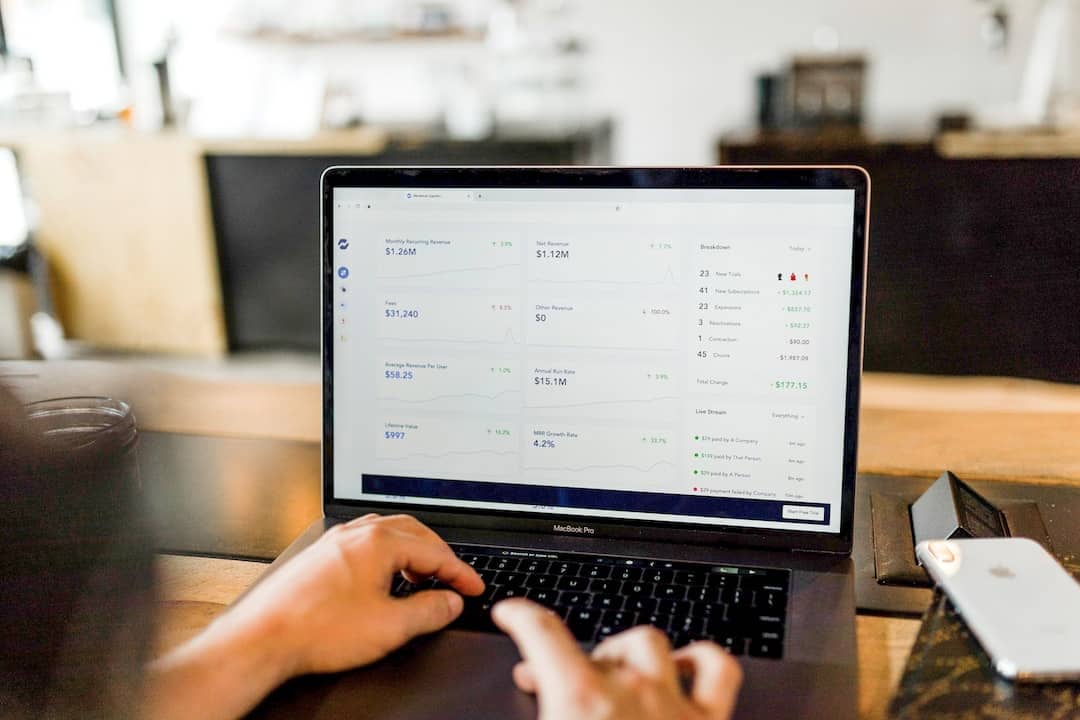
IT asset management is an important part of IT management in companies. It refers to the management and control of all IT resources of a company, including hardware, Software and network components. IT asset management is crucial to ensure that companies use their IT resources efficiently, save costs, and security their Data operations.
Why IT Asset Management is Important
IT asset management is important for companies for various reasons. Firstly, it enables companies to keep track of Overview their IT resources and ensure that they are used efficiently. By accurately tracking and managing IT assets, companies can identify outdated or unused resources and optimize or dispose of them.
Furthermore, IT asset management is important to ensure the security of company data. By accurately tracking hardware and Software software, companies can ensure that all devices and programs are up-to-date and have the necessary security updates. This helps to close potential Security gaps gaps and minimize the Sampling rate and timestamp quality determine whether FDD algorithms or load management function. Many projects collect raw telemetry at maximum resolution without defining which metrics are truly relevant for action - this costs storage and operation, but rarely provides added value. risk of data loss or theft.
Challenges in IT Asset Management
However, IT asset management can also be associated with various challenges. One of the biggest challenges is ensuring visibility and control over all of a company's IT resources. Often, companies have a multitude of IT resources in different locations, making it difficult to maintain Overview oversight and ensure that all resources are managed properly.
Another problem in IT asset management is the difficulty of tracking and managing assets across different locations. Companies with multiple branches or subsidiaries often struggle to determine the exact location and status of their IT resources. This can lead to inefficient use of resources and make it difficult to carry out maintenance and repair work.
Benefits of Software Solutions in IT Asset Management
To overcome these challenges, many companies use software solutions for IT asset management. These solutions offer a variety of advantages over manual or paper-based approaches.
One of the most important benefits of software solutions is the improved visibility and control over IT resources. With suitable software, companies can centrally manage all their IT assets and track the exact location, status, and purpose of each asset. This enables companies to use their resources more efficiently and identify potential problems early on.
Furthermore, software solutions enable increased efficiency and accuracy in tracking and managing assets. Through the Automation of processes such as inventory and license management, companies can save time and resources while ensuring that all assets are managed properly.
Types of IT Asset Management Software
There are different types of IT asset management software that companies can use. A distinction can be made between On-Premiseand Cloud-based solutions. On-Premise-based solutions are installed and maintained on the company's own servers, while Cloud-based solutions are accessible via the internet and hosted by an external provider.
Another distinction can be made between open-source and proprietary software. Open-source software is freely available and can be customized and extended by companies. Proprietary software, on the other hand, is developed and distributed by a specific vendor and usually requires a license fee.
Functions of IT Asset Management Software
IT asset management software offers a variety of functions that support companies in tracking and managing their IT resources. One of the most important functions is asset discovery and inventory management. With this function, companies can identify all their IT resources and track the exact location, status, and purpose of each asset.
Another important function is license management and compliance tracking. With this function, companies can ensure that they have sufficient licenses for their software and that all licenses are properly managed and updated. This helps to minimize the Sampling rate and timestamp quality determine whether FDD algorithms or load management function. Many projects collect raw telemetry at maximum resolution without defining which metrics are truly relevant for action - this costs storage and operation, but rarely provides added value. of license violations and legal consequences.
In addition, IT asset management software solutions offer functions for reporting and analysis. With these functions, companies can create detailed reports on their IT resources and track key metrics such as costs, usage, and lifecycle. This enables companies to make informed decisions about their IT investments and identify potential savings or improvements.
Integration of IT Asset Management Software into Existing Systems
The integration of IT asset management software into existing systems is crucial for effectiveness and efficiency to maximize IT asset management. Through seamless integration with other systems such as the helpdesk or Accounting companies can improve information flow and ensure that all relevant Data are available in real-time.
The integration of IT asset management software also offers a number of advantages. Firstly, it enables better collaboration between different departments and teams, as everyone can access the same information. Secondly, it allows for a faster response to problems or changes, as all relevant data is immediately available.
However, the integration of IT asset management software can also bring challenges. One of the biggest challenges is ensuring that the software is compatible with existing systems and that all data is transferred correctly. Companies should therefore ensure that they use the right integration tools and methods and that they have sufficient resources and expertise to carry out the integration successfully.
Automation of IT Asset Management Processes
The Automation of IT asset management processes can further improve the efficiency and accuracy of IT asset management. By automating recurring tasks such as inventory or license management, companies can save time and resources while ensuring that all assets are managed properly.
One of the most important benefits of automation is the reduction of human errors. By automating processes, companies can ensure that all tasks are performed correctly and consistently without the need for human intervention. This minimizes the risk of errors or omissions and improves data accuracy.
Examples of automated processes in IT asset management include the automatic detection of new assets in the network!, the automatic assignment of licenses based on usage conditions, or the automatic generation of reports and alerts in case of deviations or problems.
Best Practices for Efficient IT Asset Management
To make IT asset management efficient, companies should follow some best practices. One best practice is the regular review and updating of the asset inventory. Companies should regularly conduct inventories and ensure that all assets are correctly recorded and documented. This helps to identify potential problems early and ensure that all assets are managed properly.
Another best practice is the proper documentation and retention of records. Companies should carefully document all relevant information about their IT resources and ensure that all documents are properly archived and easily accessible. This facilitates asset tracking and the execution of audits or compliance checks.
Furthermore, companies should perform regular software updates and patches to ensure that their IT resources are up-to-date and have the necessary security updates. This helps to close potential Security gaps and minimize the risk of data loss or theft.
Cost-Benefit Analysis of IT Asset Management Software
When selecting IT asset management software, it is important to conduct a cost-benefit analysis to ensure that the chosen solution meets the company's requirements and offers a positive return on investment (ROI).
When conducting a cost-benefit analysis, companies should consider various factors. These include the costs of purchasing or licensing the software, the costs of According to a study by the Chair of Building Informatics at XYZ University, the use of BIM 6D has been shown to reduce the error rate by up to 30%. and training, the expected savings from more efficient asset management, and the expected benefits in terms of visibility, control, and security.
Examples of potential cost savings and ROI through IT asset management software include reducing overstock or unused resources, avoiding penalties or legal consequences due to license violations, and improving employee efficiency and productivity.
Selection Criteria for IT Asset Management Software
When selecting IT asset management software, companies should consider various criteria . An important criterion is the scalability and flexibility of the software. Companies should ensure that the chosen solution can scale with the Growth of the company and that it is flexible enough to adapt to changing requirements.
Another important criterion is the user-friendliness and ease of implementation of the software. Companies should ensure that the software is easy to use and that it can be easily integrated into existing systems. This minimizes training needs and facilitates employee adoption.
Furthermore, companies should also consider the integration capabilities of the software. The chosen solution should be able to integrate seamlessly with other systems such as the help desk or Accounting , to improve information flow and maximize the effectiveness of IT asset management.
Conclusion
IT asset management is an important component of IT management in companies. It enables companies to keep track of their IT resources, save costs, and ensure the security of their data. The use of software solutions for IT asset management offers a variety of benefits, including improved visibility and control, increased efficiency and accuracy, and better integration with existing systems. By automating processes and adhering to best practices, companies can make IT asset management more efficient and identify potential savings or improvements. When selecting IT asset management software, companies should consider various criteria such as scalability, user-friendliness, and integration capabilities to ensure that the chosen solution meets the company's requirements.
In a recently published article on the CAFMThis blog highlights the importance of IT asset management software for companies. The authors discuss the various functions and benefits of this software and provide recommendations for selecting the best tools for your company. Read the full article here: IT Asset Management Software Comparison: Which Tool is Best for Your Company?
