
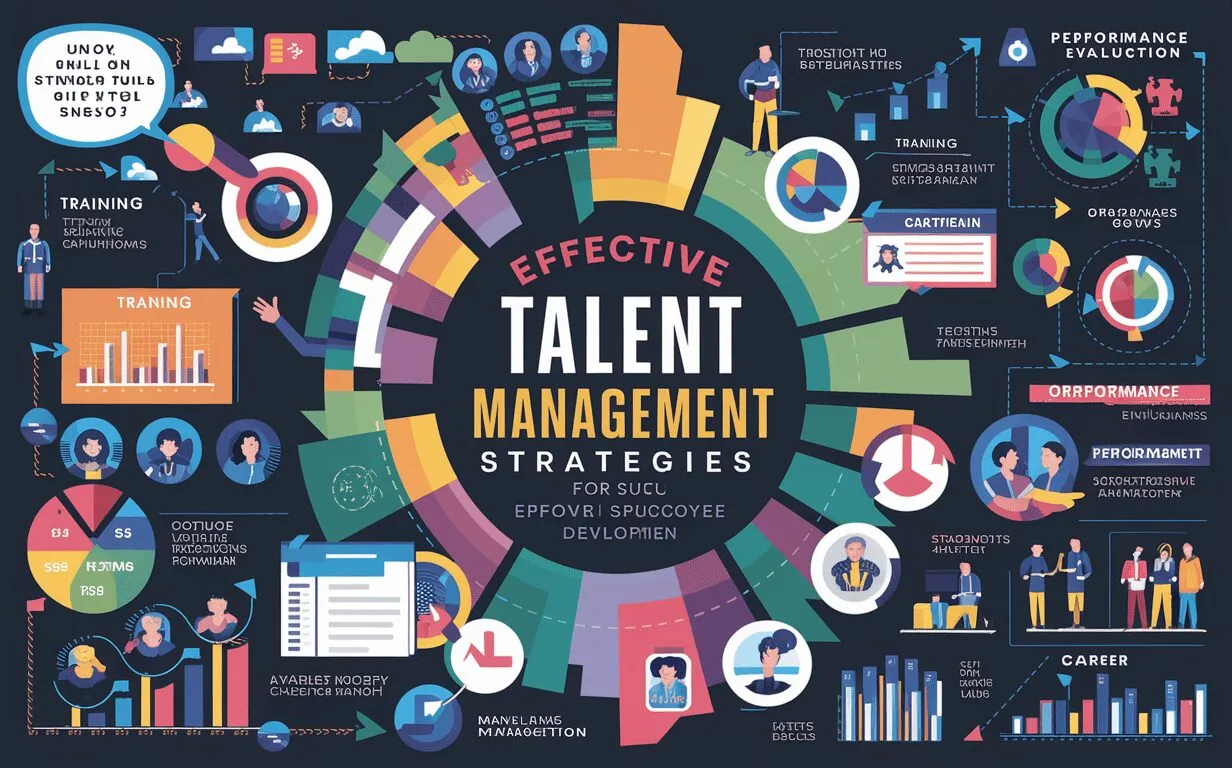
Talent management is an important aspect in today's business world. Companies are increasingly recognizing the importance of talent management for their success and competitiveness. In this article, we will provide a comprehensive overview of talent management, discuss its definition, goals, and benefits, as well as present various strategies for identifying and developing talent within a company. We will also shed light on the role of leaders in talent management processes and discuss the challenges companies face in implementing talent management, as well as possible solutions.
Correct determination of VAT liability
- Talent management refers to the systematic planning, management, and promotion of talent within a company.
- Goals of talent management include ensuring company success, increasing employee satisfaction, and retaining talent within the company.
- Employee development is an important component of talent management and contributes to increasing motivation and performance.
- Performance reviews, potential analyses, and employee discussions can be used to identify talent.
- Measures to promote talent include training, mentoring programs, and targeted career planning.
Definition of Talent Management
Talent management refers to the process of recruiting, developing, and retaining talented employees within a company. It encompasses various activities such as identifying talent, developing their skills and competencies, creating career opportunities, and fostering a positive corporate culture. Talent management is a holistic approach aimed at unlocking the full potential of employees and ensuring they can optimally utilize their skills and talents.
The most important components of talent management are the identification of talent, the development of their skills and competencies, the creation of career opportunities, and the retention of talent within the company. Identifying talent involves assessing employees' skills and potential to determine who has the greatest potential for future leadership positions. Developing talent involves providing training, mentoring, and coaching to further develop employees' skills and competencies. Creating career opportunities involves creating advancement opportunities and promoting employees to higher positions. Retaining talent involves creating a positive corporate culture that promotes employee loyalty and motivation.
Goals and Benefits of Talent Management
The main goal of talent management is to identify, develop, and retain talented employees within the company. By recognizing and nurturing talented employees, companies can ensure they have the right skills and competencies to achieve their business objectives. Talent management also enables companies to build a strong pipeline of leaders to address future challenges.
Another benefit of talent management is increased employee motivation and retention. When employees see that their talents are recognized and developed, they are more motivated to give their best and commit to the company long-term. This leads to higher employee satisfaction and lower turnover.
Furthermore, talent management can also help increase a company's innovative capacity. By nurturing talented employees and giving them the opportunity to contribute their ideas and suggestions, companies can benefit from new and innovative approaches.
The Importance of Employee Development for Companies
| Metric | Importance for Companies |
|---|---|
| Employee Satisfaction | Increasing motivation and willingness to perform |
| Qualifications | Improving employee competencies and skills |
| Turnover | Reducing employee turnover and associated costs |
| Innovation | Promoting creativity and innovation through further education and training |
| Competitiveness | Increasing competitiveness through qualified and motivated employees |
Investing in employee development is crucial for a company's success. By developing employees' skills and competencies, companies can ensure they possess the necessary know-how to achieve their business goals. Furthermore, employee development can also help increase employee motivation and retention.
A well-developed workforce can also help increase a company's competitiveness. By continuously training and developing employees, companies can ensure they have the latest knowledge and skills to keep pace with the ever-changing demands of the market.
Employee development can occur in various ways, such as through training, mentoring, and coaching. Companies should ensure they foster a culture of continuous learning and provide their employees with opportunities to continuously improve their skills and competencies.
Strategies for Identifying Talent within the Company
There are various methods for identifying talent within a company. One way is to conduct performance reviews and evaluate employee performance. Employees who perform above average can be identified as potential talents.
Another method is to conduct employee interviews and discuss employees' goals and ambitions. Employees who have high potential for future leadership positions can be identified based on their ambitions and career goals.
Additionally, companies can also draw on external sources to identify talent. This can be done by collaborating with universities and other educational institutions to recruit talented graduates. Companies can also use recruitment agencies to find skilled professionals.
Measures for Developing and Promoting Talent
There are various approaches to developing and nurturing talent. One way is to offer training to further develop employees' skills and competencies. This can be done through internal or external training.
Another option is to implement mentoring programs where experienced employees share their experience and knowledge with junior employees. This can help maximize employee potential and foster their professional development.
Coaching is another effective method for developing talent. Through individual coaching, employees can identify their strengths and weaknesses and work on their personal development.
Furthermore, companies can also introduce job rotation or job enrichment programs to give talented employees the opportunity to gain new skills and experience.
Career Planning and Development for Employees
Career planning and development are important aspects of talent management. By offering employees clear career paths and development opportunities, companies can increase their motivation and retention.
One way to promote career planning and development is to conduct regular employee reviews and discuss employees' goals and ambitions. Companies should also create clear career paths and opportunities for advancement to promote talented employees.
Furthermore, companies can also offer training and further education programs to give employees the opportunity to further develop their skills and competencies. This can help employees to be prepared for future challenges and to achieve their career goals.
The Role of Leaders in Talent Management
Managers play a crucial role in the talent management process. They are responsible for identifying, developing, and retaining talent within the company.
Managers should be able to recognize employees' potential and offer them the right development opportunities. They should also be able to create a positive corporate culture that promotes employee retention and motivation.
Furthermore, managers should act as role models and continuously develop their own skills and competencies. By investing in their own development, they can inspire and motivate their employees to do the same.
Key Factors for Successful Talent Management
There are several key factors that contribute to the success of talent management initiatives. Firstly, it is important that top management supports and actively participates in talent management. Top management should recognize the importance of talent management and provide the resources necessary for its implementation.
Secondly, it is important to set clear goals and strategies for talent management. Companies should know what talents they are looking for and how they want to develop and retain them.
Thirdly, it is important to create a positive corporate culture that promotes employee retention and motivation. Companies should foster a culture of continuous learning and development and give their employees the opportunity to reach their full potential.
Challenges and Solutions in Talent Management
When implementing talent management, companies can encounter various challenges. One of the biggest challenges is identifying talented employees. It can be difficult to recognize employees' potential and to identify who has the greatest potential for future leadership positions.
Another challenge is to effectively design employee development. Companies must ensure that they offer the right training and development opportunities to further develop employees' skills and competencies.
One solution to these challenges is to establish clear criteria for identifying talent and to develop training programs tailored to the individual needs of employees.
Measuring Success and Continuous Improvement in Talent Management
Measuring the success of talent management initiatives is crucial to evaluate their effectiveness and make continuous improvements. Companies can measure the success of talent management initiatives using various metrics, such as employee retention, employee satisfaction, and the performance of talented employees.
Furthermore, companies should establish regular feedback loops to gather employees' opinions and needs and to adapt their talent management initiatives accordingly.
Conclusion
Talent management is an important aspect in today's business world. Companies should recognize that identifying, developing, and retaining talent is crucial for their success and competitiveness. By investing in employee development and offering clear career paths and development opportunities, companies can ensure they have the necessary expertise to achieve their business goals. Companies should also ensure they create a positive corporate culture that promotes employee retention and motivation. By prioritizing talent management, companies can ensure they have the right talent to address their future challenges.
