
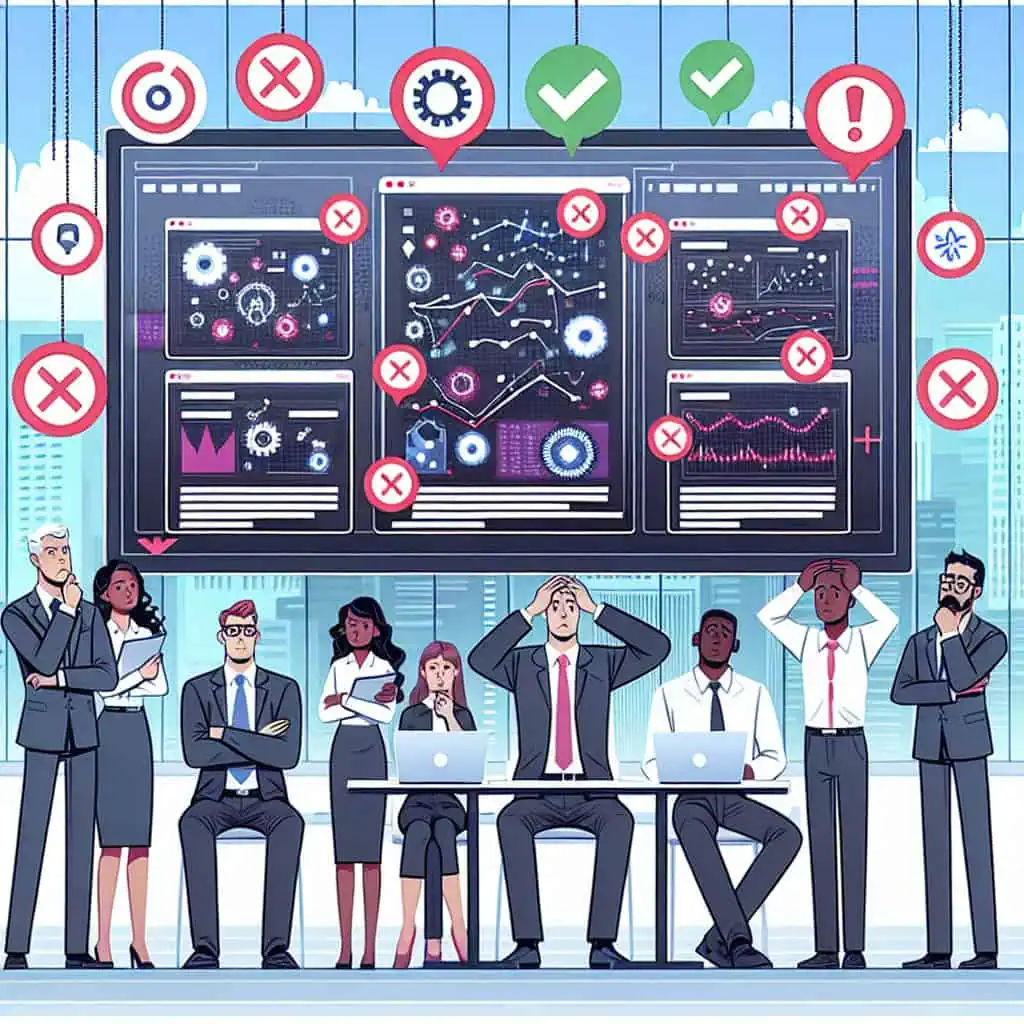
The implementation of a CAFM-Software This can represent both a great opportunity and a challenge for facility managers. They often face the difficult task of optimizing numerous processes while simultaneously ensuring that all involved parties are familiar with the new system. Unfortunately, there are often challenges when implementing... Building management software Some common mistakes that should be avoided to ensure the success of the project.
Whether you're an experienced facility manager or a newcomer to the industry, there are numerous pitfalls to be aware of. In this article, we'll look at ten of these common mistakes and give you practical tips on how to avoid them. Because one thing is certain: your time is valuable, and every minute spent on inefficient processes could be better used!
The human factor counts
One of the biggest mistakes is ignoring user-friendliness and the training needs of your employees. The best Facility Management Software It's not very useful if nobody knows how to use it! Make sure your employees are adequately trained and understand how to use the new system to its full potential.
- Tip: Organize regular training sessions and feedback sessions.
- Tip: Offer comprehensive documentation – after all, nobody wants to get lost in the jungle of software!
Speed versus thoroughness
Another common mistake is rushing the implementation process. While it's tempting to achieve quick results, this can be dangerous in the long run. Thorough planning is essential! Carefully consider which features your CAFM-System-solution is really necessary.
"A well-thought-out implementation always pays off."
Have a clear goal in mind
One thing is clear: without clear goals, every software implementation becomes a gamble. Define your expectations from the outset and measure success using concrete KPIs. This way, you can ensure that your Maintenance Management Software actually has the desired effect.
- Tip: Set measurable goals – be it reducing downtime or improving response times to maintenance requests.
- Tip: Regularly check your progress and adjust your strategy if necessary.
In short: Implementing effective building management software requires careful planning and consideration. Avoiding these common mistakes and taking a proactive approach will ensure the long-term success of your implementation!
Lack of goals and planning
If you are introducing your CAFM-Software When tackling such a project, it quickly becomes clear that inadequate goal setting and planning can be one of the biggest stumbling blocks. Without a clear objective, your implementation can easily stall—or worse, become completely chaotic. And nobody wants to feel like they're groping in the dark!
Setting goals: The first step to success
Before you even think about which functions your Facility Management Software Before deciding what the software should offer, you should consider what you want to achieve with it. Ask yourself:
- What are the specific problems we want to solve with this software?
- How do we measure the success of our implementation?
By defining clear and measurable goals – whether it's reducing maintenance costs or improving space utilization – you give your implementation direction. A proven approach is to establish KPIs (Key Performance Indicators). These can help you track progress and make adjustments as the project progresses.
The importance of thoughtful planning
Let's say you want to try a new recipe. If you don't even know what ingredients are needed or how long the whole thing takes, the result probably won't taste like what you imagined! It's a similar situation when introducing... Building management softwareThorough planning is essential.
Here are some steps for effective planning:
- Requirements analysis: Identify the specific needs of your company.
- Create a schedule: Set realistic deadlines for each phase of the project.
- Involve stakeholders: Ensure that all stakeholders are involved in the planning process early on.
Collaboration is key
Is everyone on board? The best planning is of little use if everyone involved isn't pulling in the same direction! Exchanging ideas and holding regular meetings can help avoid misunderstandings and ensure everyone is on the same page.
"A good plan today is better than a perfect plan tomorrow." – George S. Patton
Ultimately, the clearer your goals and the more thoughtful your planning, the smoother the implementation of your project will be. Maintenance Management SoftwareTake your time with these steps – it will pay off!
Inadequate employee training
When it comes to the implementation of CAFM-Software When it comes to technology, it's easy to forget that it's only as good as the people operating it. A common mistake facility managers make is inadequate staff training. But don't worry – that can be changed!
Why training is important
Imagine you have the best Facility Management SoftwareA system is on the market, but your employees don't know how to use it. The result? Frustration and inefficient use of the software. Solid training is crucial for the success of any implementation.
- Tip: Start with a kick-off meeting – this will ensure that all employees understand why this new software is being introduced and what benefits it offers.
- Tip: Create a list of frequently asked questions and answers (FAQ). This document can serve as a valuable resource and help to eliminate uncertainties.
The school of lifelong learning
Training should not end with the introduction of the software. Rather, it is important to foster a culture of continuous learning.
- Quick refresher courses: Offer regular workshops or webinars to keep your team up to date.
- Accessible resources: Make sure your employees have access to tutorials or other learning materials at all times – after all, you can never learn enough!
Team collaboration
Adapt your training approaches to different learning styles. Some of your employees may be visual learners and benefit from videos, while others learn better through hands-on exercises. Take this into account when planning your training sessions!
"Training is not mandatory; it is an investment in the future."
By providing your employees with the necessary support and ensuring regular training, you ensure they get the most out of their new role. Building management software You can get a lot out of it. In the long run, this will not only have a positive impact on your efficiency, but also strengthen your employees' trust in the technology. And who knows? Maybe one of your employees will become the next internal "CAFM guru"!
Ignoring user-friendliness
One of the biggest challenges in introducing CAFM-Software Ease of use is key. Facility managers sometimes tend to overestimate the complexity of a system and neglect the needs of the end users. This can have disastrous consequences – after all, a complex system is only as good as the people using it!
Why user-friendliness is crucial
Imagine you have a state-of-the-art Facility Management SoftwareA system has been implemented that offers every conceivable function. However, if your employees have difficulty navigating the system, the benefits quickly turn into disadvantages. Frustration and inefficiency are often the result.
- Tip: Choose software with an intuitive user interface. This will make training a breeze for your employees!
- Tip: When making your selection, also consider feedback from employees – they are the ones who will be working with the software on a daily basis.
User-centered approach
When implementing your Building management software You should focus on the user. A user-centered approach helps you understand the needs and expectations of your employees and can make the difference between success and failure.
- Gather customer feedback: Conduct surveys or organize workshops to find out which features are most important to your team members.
- Do you offer trial periods? Have your team test different software solutions before making a final decision.
Offer simple training resources
Once the software has been selected, it's important to ensure your employees have all the necessary resources to get started. Create easy-to-understand manuals or short video tutorials – not everyone learns at the same pace!
"The best systems are those that are so simple that even a child could use them."
Also consider this: If your employees enjoy using the software and feel confident, this will positively impact their productivity. A user-friendly system can not only increase engagement but also help ensure that your Maintenance Management Software ultimately unfolds its full effect.
Let's be honest: Nobody wants to waste time figuring out how to execute a simple process in complicated software! So make it easy for your employees – they'll thank you for it!
Lack of integration with existing systems
A frequently overlooked stumbling block in the implementation of CAFM-Software The lack of integration with existing systems is a major issue. This is a crucial aspect that is often overlooked, and it can have disastrous consequences for the entire facility management process. Imagine you've bought a brand-new car, but the tires don't fit. That's exactly how it feels when your new Building management software does not harmonize with your existing systems!
The need for integration
In today's digital world, various systems are often interconnected. Whether it's your accounting system, your maintenance management software, or other operational tools – all these systems must work together seamlessly to ensure efficiency and effectiveness.
- Tip: Conduct a thorough analysis of existing systems before you begin implementing your new software.
- Tip: Look for solutions that offer APIs (Application Programming Interfaces) or other integration options – this will make connecting to your existing systems a breeze.
Collaboration instead of isolation
Whether it's a Space management softwareWhether it's a system or another tool, collaboration between different departments is crucial. A common problem arises when different teams use their own solutions, resulting in a loss of synergy. This can lead to valuable information not being used correctly or even being lost!
"The best integration is the invisible one."
Steps towards successful integration
To ensure that your new software works smoothly with existing systems, the following steps should be considered:
- Collaboration between departments: Ensure that all affected departments are involved in the integration process.
- Pilot projects: Test your new software in a small environment first to identify potential problems early on.
- Plan data migration: Carefully plan the migration of your data from the old systems to the new system. Poorly organized data transfers can lead to chaos!
Ultimately, facility managers should understand: A well-integrated Computer-Aided Facility ManagementThe right solution can make the difference between smooth workflow and frustrating interruptions. So take the time for a thorough analysis and planning!
Act like a well-coordinated team: Every player knows their role and contributes to achieving the common goal. When all systems are interconnected, your facility management becomes more efficient and successful than ever before!
No regular maintenance or updates
The implementation of CAFM-Software This isn't the end of the journey, but the beginning! A common mistake facility managers make is neglecting regular maintenance and updates. This might sound like a chore, but let's be honest: software without updates is like a car without regular inspections – eventually, it just won't run smoothly anymore!
Why maintenance is important
Technology is constantly evolving, and so are the needs of your users. Regular maintenance and updates ensure that your Facility Management Software Always stay up to date. This not only protects against security vulnerabilities, but also ensures that new features can be used!
- Tip: Schedule regular maintenance cycles – whether monthly or quarterly, your team should know when it's time for updates.
- Tip: Monitor the usage of your software. Using analytics tools can help identify areas where improvements are needed.
Safety first
One of the biggest benefits of regular maintenance is improved security. Outdated software can be an easy target for cyberattacks. By regularly updating your software, you not only stay protected but also increase confidence in your systems.
"Security is not a product, but a process." – Bruce Schneier
Feedback and adjustments
Make time for regular feedback sessions with your employees. What's working well? Where are the difficulties? By listening to your users' feedback and incorporating it into future updates, you'll not only improve the usability of your products or services. Building management software, but also promote the engagement of your team.
- Tip: Create an internal newsletter or a feedback platform – this way everyone stays informed and involved.
- Tip: Consider training needs associated with new features – there's no shame in admitting you need to learn something new!
Making it future-proof
Ultimately, the following applies: A well-maintained Real Estate Management Software It will serve you faithfully for years to come. Make regular updates a priority! This will not only ensure the operation of your systems but also significantly increase the efficiency of your facility management.
Let's be honest: nobody likes wasting time and resources on outdated systems. So plan proactive maintenance – your future self will thank you!
Underestimation of data management
In the world of facility management, there are many aspects that contribute to a smooth implementation of CAFM-Software Influence. One of the most frequently overlooked areas is data management. Yet data is the foundation of every successful business. Building management softwareThey can not only distinguish between a well-functioning system and a chaotic mess, but also determine how effectively your team can work.
Data is more than just numbers
The importance of data management is often underestimated. Imagine your Facility Management Software It runs perfectly – but the underlying data is disorganized or outdated. The result? Distorted analyses, wrong decisions, and in the worst case, significant costs for your company.
- Tip: Conduct regular audits of your data. This will ensure that all information is up-to-date and relevant.
- Tip: Invest in data management training for your team – it's worth it!
Data management as a strategic advantage
The benefits of robust data management extend beyond simply preventing errors. Well-maintained data enables more accurate predictions about maintenance needs, resource planning, and even cost reductions. With a suitable Maintenance Management Software You can identify trends and take proactive measures.
Promote collaboration between departments
Data shouldn't exist in silos! Collaboration between departments can improve information sharing and ensure everyone is on the same page. Use data visualization tools to make complex information easier to understand and motivate your team.
- Tip: Organize regular interdisciplinary meetings to promote data exchange.
- Tip: Use cloud-based solutions for better access to your data for all relevant stakeholders.
Future-proofing through effective data management
Ultimately, well-designed data management isn't just about efficiency; it's also about future-proofing. In an increasingly data-driven world, facility managers need to be prepared to leverage innovative technologies to optimize their processes. From automated reporting tools to AI-powered analytics – if your data is in good order, the possibilities are endless!
Therefore, make data management a priority in your implementation plan. By valuing your data assets, you lay the foundation for long-term success with your business. CAFM-Software.
Obtain missing user feedback
During the implementation of CAFM-Software One of the most crucial steps is often neglected: gathering feedback from users. They could provide the best... Facility Management Software You may have chosen the best software of all time, but if your employees' opinions and experiences aren't considered, the project risks ending in disaster. Why? Because those who work with the software daily have the best insights into its functionality and user-friendliness!
Feedback as a valuable resource
It's like cooking: if you don't taste your dish, you might end up serving something nobody wants to eat! Regular feedback helps you with this:
- Identifying problems early: By actively listening, you can find out directly where the problems lie.
- Understanding customer needs: Your employees often know best which functions are missing or should be improved.
Strategies for obtaining feedback
But how do you gather this valuable feedback? Here are some proven methods:
- Anonymous surveys: These encourage honest and open feedback – after all, nobody wants to voice their difficulties with the software to their boss!
- Regular meetings: Schedule regular team meetings to share experiences and discuss suggestions for improvement.
- Feedback box: A digital or physical box can provide a straightforward way to submit suggestions anonymously.
Data analysis for better decisions
Collect feedback in a structured format! Use data analysis and visualization tools. This will allow you to identify trends and make informed decisions. For example, if many users point out a particular problem, don't ignore it – it could be the key to improving your entire process. Building management software be!
"The greatest risk is not taking any risk."
Make adjustments and communicate them
Once the feedback has been gathered, it's important to make adjustments based on it. Let your team know that their opinions are valued! Communicate changes clearly and directly.
- E-Mail-Updates: Keep everyone informed about new developments.
- Demos of new features: Offer short training sessions or present new features live – that way everyone stays in the loop!
Ultimately, the success of your Maintenance Management Software It depends significantly on how well it is adapted to the needs of your employees. If they feel heard and their suggestions are taken seriously, not only will the acceptance of the new software increase considerably, but the efficiency of your facility management can also be raised to a new level.
Let's be honest: nobody enjoys working with software that doesn't meet their needs. So actively seek feedback from your users – it could be your secret to a successful implementation!
<!-
Unclear responsibilities within the team
An often overlooked mistake in the implementation of CAFM-Software Unclear responsibilities within the team are a major problem. Imagine you're in a boat with several rowers, but nobody knows who should sit where or how hard they should row. The result is chaos, and ultimately the boat just drifts in circles. A facility management team without clear role definitions is similar!
Why clear responsibilities are important
When everyone on the team knows and understands their tasks, it not only boosts efficiency but also morale. A lack of clarity can lead to confusion and frustration. The team might be fighting on multiple fronts and still not achieve the desired result.
- Tip: Create an organizational chart-like document that outlines the roles and responsibilities of each member.
- Tip: Hold regular meetings to ensure everyone is informed about their progress and challenges.
Defining responsibilities: The first step
Start by defining the different areas of responsibility within your project. Ask yourself:
- Who is responsible for data entry and maintenance?
- Who is responsible for training and support of end users?
- Who has the final say in decisions regarding software customizations?
Because the clearer these questions are answered, the better your implementation processes will work.
Promote collaboration
In addition to clear responsibilities, open communication is crucial. Encourage the exchange of information between team members. When everyone has the opportunity to express their ideas or concerns, a stronger sense of community develops.
"Coming together is a beginning; staying together is progress; working together is success." – Henry Ford
One for all – all for one!
Make sure your team members don't just see 'their' tasks, but also recognize that they are part of a larger whole. This can be achieved through shared goals:
- Setting goals: Define team-wide goals that encourage the engagement of all members.
- Use collaboration tools: Use platforms like Slack or Microsoft Teams for better information flow.
- Facility management software will run much more smoothly. Clarity builds trust – both within your team and in the new system! So set sail with a clear course – your team will thank you!
Neglect of change management
The implementation of CAFM-Software This is not just a technical challenge, but also a shift in the thinking and actions of everyone involved. A common mistake facility managers make is neglecting change management. Considering that change is often associated with uncertainty and resistance for many people, ignoring this aspect can quickly lead to disaster.
Why Change Management is Important
Imagine introducing a new digital tool to your team, but no one really knows how to use it effectively or what it's for. This can lead to reduced employee motivation and even a relapse into old habits. Well-planned change management ensures that everyone involved is on board and understands the new processes.
- Tip: Develop a clear communication plan. Ensure everyone on the team is informed about the progress of the implementation and understands the reasons for the changes.
- Tip: Offer support – whether through training or a contact person for questions. If your employees feel supported, the transition will be much easier!
Promoting participation
Another important point is the involvement of your employees in the change process. When people are involved in decisions from the outset and their opinions are valued, acceptance increases significantly.
- Early input rounds: Organize workshops or meetings to gather ideas and concerns. This gives your employees a sense of participation.
- Implementation of pilot projects: Test new features in small groups and solicit feedback before rolling them out across the board.
Cultivating a positive attitude towards change
Let's assume your team is always skeptical of change. Perhaps they've had bad experiences in the past? In this case, it's important to foster a positive attitude towards change! Share success stories from your organization or from other companies that have benefited from the new software.
"Change is not only possible – it is necessary!"
Regular progress review
Don't wait until the end of the implementation process! Regularly monitor progress and adjust your strategy as needed. An agile approach will help you respond flexibly to challenges.
- Tip: Create a feedback system – this allows all participants to share their thoughts and suggest improvements.
- Tip: Celebrate small successes! This motivates your team and shows them the value of their efforts.
Ultimately, change management is not a one-off project; it's an ongoing process. By actively involving your employees in this process and communicating transparently at all times, you create a positive atmosphere for change. This will make your Facility Management SoftwareImplementation can not only be more successful – it can also be anchored in the company in the long term!
Underestimating or miscalculating costs
A common mistake is misjudging the costs of implementing and operating the software. Realistically calculate all aspects to avoid unpleasant surprises.
 Deutsch
  English (UK)