
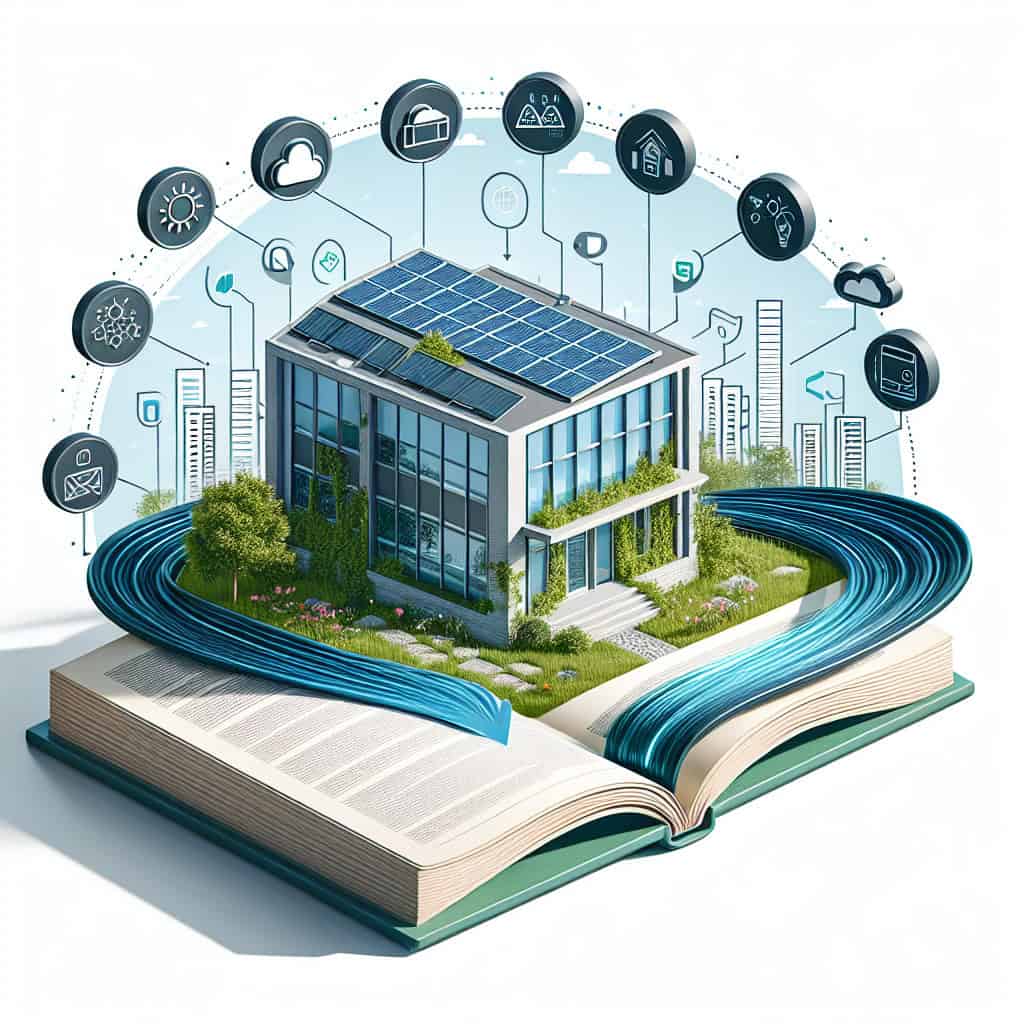
In a world that is increasingly environmentally conscious, sustainability is gaining importance in all areas of the economy. Facility Management plays a crucial role in this, especially through the use of asset management software. These solutions not only help increase efficiency but also achieve sustainability goals. In this guide, you will learn how CAFM software and other technologies can help manage and operate sustainable buildings.
What is asset management software?
In the modern facility management landscape, Asset Management Software plays a central role. It forms the backbone for effective and sustainable management of buildings and their infrastructure. But what exactly do we mean by such software?
Definition and Purpose
Asset management software, often referred to as CAFM software, is a digital tool for managing and monitoring a company's physical assets, whether in the real estate sector or other industries. Its main goal is to optimize the lifecycle of assets while minimizing their operating costs.
- Central database: This software provides a central platform for storing all relevant information about the assets, such as location, condition, maintenance history, and much more.
- Real-time monitoring: With the help of sensors and IoT technologies, it enables real-time monitoring of asset health.
- Efficient maintenance plans: Creating predictive maintenance plans helps to reduce unplanned downtime.
Importance for Sustainability
Sustainability is more than just a buzzword today – it's a necessity. And this is where asset management software comes into play. By targeted monitoring and optimization of energy consumption, companies can significantly reduce their ecological footprint.
"The implementation of efficient asset management can reduce energy consumption by up to 20%." – Source: International Facility Management Association (IFMA)
These savings are enabled by features such as energy management reports and analyses, which provide deeper insights into the building's energy consumption.
Practical Application: An Example
Let's assume a large office building uses comprehensive asset management software. With integrated energy management functions, the building can not only monitor its electricity consumption but also identify when certain machines are operating inefficiently or require maintenance. This not only leads to cost reduction but also promotes the company's sustainability goals.
In summary, well-implemented asset management software offers numerous benefits: it saves costs, reduces the ecological footprint, and ensures smooth operation – all factors that every modern company should strive for.
The Role of CAFM Software in Sustainable Building Management
In a world that increasingly values sustainability and energy efficiency, CAFM Software plays a crucial role in modern building management. These software solutions offer a comprehensive platform for managing resources, optimizing processes, and minimizing environmental impact.
Increasing Energy Efficiency
One of the main advantages of Computer-Aided Facility Managementsystems is their ability to analyze and optimize energy consumption data. A study by the German Federal Environment Agency found that the use of such systems can reduce building energy consumption by up to 20% (Source). With features such as automated reports and alarm systems, facility managers can quickly identify inefficient energy sources and take measures for improvement.
Optimizing Resource Management
Efficient resource management is another area where CAFM systems excel. By integrating space management software, office spaces can be utilized more effectively. Studies show that many companies waste up to 30% of their office space through unused or poorly managed areas (Optimise Area Management in CAFM Software). By implementing smart space utilization tools, companies can not only save costs but also reduce their ecological footprint.
Implementing Sustainability Solutions
Modern Asset Management Software also supports the implementation of comprehensive sustainability strategies. This includes tracking CO2 emissions and managing renewable energy sources. An example of this is the integration of solar systems into existing building management solutions, which not only brings ecological benefits but also enables economic savings.
"Sustainability begins with knowing how you work today to be prepared for tomorrow." - Unknown
Ultimately, CAFM software for energy management offers a robust solution for organizations looking to make their operations more sustainable. By providing real-time data and automating processes, it helps achieve both ecological and financial goals.
So, if you are still considering whether an upgrade of your systems is necessary - here's a little tip: your building might thank you for it!
Benefits of Using Asset Management Software for Sustainability
The implementation of a Asset Management Software offers diverse benefits, especially when it comes to promoting sustainability in buildings. In a time when environmental awareness and resource efficiency are top priorities, the right software solution can make the difference. Here are some of the notable benefits:
- Efficient energy management: By integrating energy management systems, facility managers can monitor and optimize energy consumption. This not only reduces costs but also minimizes the ecological footprint. According to a report by the Fraunhofer Institute, intelligent building management can save up to 30% of energy costs.
- Improved resource utilization: Well-implemented space management software ensures that rooms are optimally utilized and overpopulation is avoided. For example, effective space planning can reduce the need for additional building expansions.
- Longer asset lifespan: The implementation of maintenance software helps to plan and carry out preventive maintenance. This leads to a longer lifespan of the assets and reduces waste and resource consumption.
- Waste reduction: Through accurate inventory tracking and predictive maintenance, unnecessary disposal can be avoided. This is not only environmentally friendly but also significantly reduces operating costs.
- Easy Integration: Modern CAFM systems offer integration solutions that can work seamlessly with other platforms, which is particularly useful for companies operating complex operational management systems.
In addition to the obvious advantages, efficient asset management software also contributes to compliance with legal regulations by generating automatic reports, thus increasing transparency. And who would have thought that a neatly maintained Excel spreadsheet could one day be considered "vintage"? A step towards the future is definitely sprinkled with humor!
"Sustainable facility management begins with intelligent resource management." - Unknown
In summary: The use of asset management software is not only a step towards modernizing facility management processes but also a crucial factor in improving a company's sustainability performance.
Implementing a Sustainable Strategy with Facility Management Software
The implementation of a sustainable strategy in building management is more than just a trend – it is a necessity. In view of the growing global challenges posed by climate change and the scarcity of natural resources, the efficient use of buildings and infrastructure is becoming increasingly important. This is where the Facility Management Software comes into play.
How CAFM Software Contributes to Sustainability
- Energy monitoring and management: Modern CAFM systems offer functions for real-time energy consumption monitoring. This allows not only for the detection of inefficiencies but also for targeted improvements.
- Resource Optimization: By using space planning tools and area management software, unused areas can be identified and optimally utilized, leading to a reduction in energy consumption.
- Extending equipment lifespan: The implementation of maintenance management software helps to efficiently plan and execute regular maintenance work, which extends the lifespan of the equipment.
"Investing in robust facility management software can significantly reduce a company's ecological footprint while simultaneously lowering operating costs." - Facility Management Expert
According to a study by the International Facility Management Association (IFMA), the use of Asset Management Software reduce energy consumption by up to 20%. These savings are not only good for the environment but also for the company's budget.
Steps to Implement a Sustainable Strategy
- Define Goals: Start with clear goals. What do you want to achieve with your sustainability strategy? Savings in energy or water? A reduction in waste?
- Data Analysis: Use your CAFM software to analyze current data and identify areas with potential for improvement.
- Implement solutions: Specifically leverage technologies such as IoT sensors for monitoring and controlling building systems.
- Continuous Improvement: Sustainability is a continuous process – regular review and adjustment of the strategy are crucial.
In addition to environmental benefits, sustainable building management also enhances a company's brand image. Companies that transparently communicate their ecological initiatives often enjoy a better reputation among customers and partners. Would you like more tips on increasing efficiency in building management? Check out our guide to efficient building management with CAFM software!
Key Features of CAFM Systems for Sustainable Buildings
The importance of CAFM Systems (Computer-Aided Facility Management) for sustainable buildings cannot be overestimated. In times when energy efficiency and resource conservation are paramount, these systems offer a variety of functions that optimize building operations and improve their environmental footprint.
Energy Management and Monitoring
CAFM systems enable precise energy management by monitoring and analyzing consumption. By integrating real-time data, facility managers can quickly identify and correct inefficient processes. This not only saves energy but also reduces the building's CO2 emissions.
Automated Maintenance Planning
Another important feature is automated maintenance planning. Instead of relying on manual interventions, modern CAFM systems use sensor data to predict maintenance needs. This proactive maintenance leads to longer asset lifecycles while simultaneously reducing operating costs.
Data-Driven Space Planning
With the help of space planning tools, companies can utilize existing space more efficiently. For example, intelligent occupancy scenarios can minimize energy consumption. This is particularly relevant for companies with large office spaces that often remain unused.
"By using CAFM software, companies can save up to 15% of their annual energy costs." - Source: [Gartner])
- Cost savings: Improved efficiency can noticeably reduce operating costs.
- Sustainability: Support in achieving environmental goals through monitoring resource consumption.
- Security management: Automated alarms increase safety in building management.
Besides all these functions, CAFM software even brings a smile to our faces – because who would have thought that building management could be so exciting?
Navigate to the Future with Integrated CAFM Solutions
The digital transformation is rapidly changing the facility management industry, and integrated CAFM Softwaresolutions are at the forefront of this revolution. The integration of various systems not only enables more efficient management but also sustainable resource utilization. But how do you successfully navigate into this future? Let's take a closer look.
Networking as the Key to Efficiency
Modern CAFM Systems offer much more than just basic functions. Through seamless integration of building management solutions, energy management systems, and security management systems, a comprehensive perspective on all facility processes is ensured. For example, energy consumption data can be analyzed in real-time to identify savings potentials.
- Energy Efficiency: Reduction of energy consumption through automated analysis and adjustment of building systems.
- Cost-effectiveness: Optimized resource utilization leads to significant cost savings.
- Security: Real-time monitoring ensures increased safety within the building infrastructure.
Data-Driven Decisions for Sustainable Buildings
Another significant advantage of integrated CAFM solutions lies in data-driven decision-making. By linking Asset Management Software, maintenance software, and space management software, a comprehensive picture of all operational processes emerges. The collection and evaluation of historical data allow for informed decisions that promote sustainability and reduce the ecological footprint.
"CAFM systems are the backbone of modern facility management strategies – they offer not only efficiency but also innovative approaches for a more sustainable future." - German Association for Facility Management (GEFMA)
Utilizing Future-Oriented Technologies
Would you like to look into the future of facility management? Then technologies like the Internet of Things (IoT) or artificial intelligence (AI) could be just the thing. These can be seamlessly integrated into your existing infrastructure, for example, to carry out preventive maintenance measures or analyze usage data. Read more about how CAFM software optimizes maintenance processes.
Ultimately, integrated CAFM solutions are far more than just a tool: they are a strategic partner on the path to more efficient, safer, and more sustainable buildings. By intelligently using innovative technologies, they open doors to future-proof building management.
Conclusion: The Path to More Sustainable Facility Management
The integration of asset management software into your facility management is a crucial step towards greater sustainability. These modern building management solutions not only offer efficiency but also the opportunity to reconcile ecological and economic goals.
Why is this important?
- Energy Efficiency: By using energy management systems, companies can significantly reduce their energy consumption while simultaneously protecting the environment.
- Cost savings: Optimizing maintenance management software helps to avoid unnecessary expenses and extend the lifespan of assets.
- Data-Driven Decisions: With the right CAFM software, you have all important data at hand to make informed decisions that are both ecologically and economically sensible.
"Sustainability in facility management means not only making greener decisions but also establishing more efficient processes in the long term." – Expert opinion from practice
Implementation Steps
- Requirements analysis: Start with a comprehensive analysis of existing systems and identify areas for improvement.
- Software Selection: Choose a CAFM system solution that meets your specific requirements. Pay attention to functions such as space planning tools or cleaning planning tools for facilities.
- Employee training: Invest in training your employees to ensure they can effectively use the new technologies.
- Continuous Improvement: Regularly review and improve your processes to ensure your sustainability goals are met. Use project management tools for the real estate sector to monitor progress.
Overall, the implementation of comprehensive asset management software represents a significant milestone. For more information on how CAFM software can help small and medium-sized enterprises, visit our article on CAFM software for SMEs. The path to sustainability may be challenging, but with the right tools and strategies, it is certainly achievable – and sensible!
