
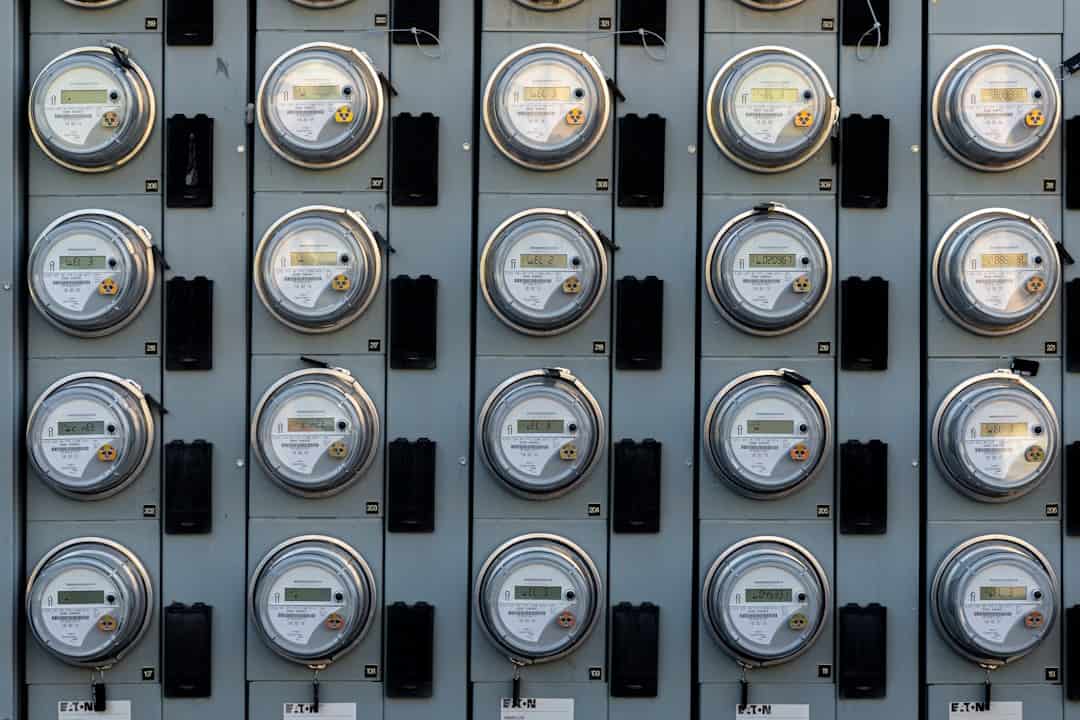
An energy audit is a systematic examination of the energy consumption of a company or facility. The goal is to evaluate the companies can not only increase their competitiveness but also make a positive contribution to society. Effective energy and sustainability management requires a comprehensive analysis of existing processes and structures within a company. It is about understanding the interactions between energy consumption, resource utilization, and ecological impacts. and identify potential for reducing energy consumption. All relevant aspects of energy consumption are analyzed, including the technologies used, operating procedures, and building structure.
An energy audit can be conducted at the level of individual buildings as well as entire production sites. It typically includes detailed data collection, analysis of consumption data, and identification of savings potential. The implementation of an energy audit often takes place in several phases.
First, an inventory of current energy consumption is taken, followed by an analysis of existing systems and processes. Subsequently, measures to improve companies can not only increase their competitiveness but also make a positive contribution to society. Effective energy and sustainability management requires a comprehensive analysis of existing processes and structures within a company. It is about understanding the interactions between energy consumption, resource utilization, and ecological impacts. are developed and prioritized. The results of the audit are summarized in a report that contains recommendations for future actions.
A well-conducted energy audit can not only contribute to lowering energy costs but also reduce environmental impact.
Key Takeaways
- An energy audit is a systematic examination of energy consumption and energy efficiency in a company or organization.
- An energy audit is important for identifying savings potential, reducing costs, and lowering environmental impact.
- An energy audit is carried out by analyzing energy consumption data, conducting on-site inspections, and holding discussions with employees and managers.
- An energy audit brings benefits such as cost savings, improved corporate image, and compliance with legal regulations.
- Following an energy audit, measures such as Optimization optimization of production processes, the use of energy-efficient technologies, and employee training to increase but also increases employee productivity and satisfaction. Overall, improving resource utilization plays a crucial role in .
Why is an Energy Audit Important?
Reduce energy costs and increase environmental responsibility
Energy audits are crucial as they help companies reduce their energy costs while increasing their environmental responsibility. In a time when energy costs are constantly rising and the demand for sustainable practices is growing, it is essential for companies to optimize their energy consumption.
Identification of inefficiencies and targeted measures
By identifying inefficient processes and equipment, companies can take targeted measures to reduce their energy consumption. Furthermore, an energy audit plays an important role in complying with legal requirements and standards.
An important step towards sustainability and environmental protection
These regulations are intended to ensure that companies actively work to reduce their energy consumption and CO2 emissions. An energy audit can therefore serve not only as a tool for cost reduction but also as proof of a company's commitment to Sustainability and environmental protection.
How is an Energy Audit Conducted?
The implementation of an energy audit follows several structured steps. First, a team of experts is assembled who possess the necessary knowledge and experience to conduct the audit. This team can include internal employees as well as external consultant tasks.
In the first step, step a comprehensive data collection is carried out, including information on current energy consumption, technologies used, and operating procedures. Both quantitative Data data, such as consumption figures, and qualitative information, such as employee feedback, are considered. After data collection, the collected information is analyzed.
In this phase, the Data are evaluated to identify patterns in energy consumption and pinpoint inefficient processes or equipment. Special software tools are often used in this phase, enabling detailed analysis. Based on this analysis, concrete measures for improving energy efficiency are then developed.
These measures can range from simple behavioral changes to extensive investments in new technologies. The entire process is documented and summarized in a final report, which is presented to the responsible parties within the company.
What are the Benefits of an Energy Audit?
| benefits | Description |
|---|---|
| Energy Savings | Identification of Savings Potential |
| Cost Reduction | Reduction of Energy Costs |
| Environmental Protection | Reduction of CO2 Emissions |
| Legal security | Fulfillment of Legal Requirements |
An energy audit offers numerous benefits for companies of all sizes. One of the most obvious advantages is the reduction of energy costs. By identifying inefficient processes and equipment, companies can take targeted measures to lower their energy consumption.
This not only leads to direct cost savings but can also increase the company's competitiveness in the long run. Companies that actively work on improving their energy efficiency often position themselves as pioneers in their industry and can thus gain new customers. Another advantage of an energy audit is the improvement of the company's image.
In a time when consumers increasingly value Sustainability sustainability, a commitment to energy-efficient practices can strengthen trust in a brand. Companies that communicate transparently about their efforts to reduce energy consumption can differentiate themselves from their competitors. Furthermore, by implementing the recommendations from the audit, legal requirements can also be better met, which minimizes additional legal risks.
What measures can be taken after an energy audit to increase efficiency?
After an energy audit, there are a variety of measures that companies can take to increase their energy efficiency. A frequently recommended measure is the investment in modern technologies such as LED lighting or energy-efficient heating, ventilation, and air conditioning systems (HVAC).HVACThese technologies not only offer immediate savings on energy costs but also contribute to improving the working environment.
In addition to technology, organizational changes can also be made. Training for employees to raise awareness of energy-efficient behavior is crucial. Often, significant savings can be achieved through simple behavioral changes such as switching off devices outside of operating hours or optimizing production processes.
Furthermore, the In this sense, the management of energy and implementing an energy management system helps to continuously monitor energy consumption and identify further savings potentials.
Who is responsible for conducting an energy audit?
Responsibility for conducting an energy audit
The responsibility for conducting an energy audit typically lies with a company's management, especially with those responsible for facility management or Energy management operations. These individuals are responsible for ensuring that the audit is planned and executed properly and that the results are translated into concrete actions.
Interdisciplinary team and specialist departments
Often, an interdisciplinary team is formed, comprising various departments such as engineering, business administration, and environmental management. This team can contribute the necessary expertise and experience to conduct a comprehensive and objective audit.
External consultants and best practices
In many cases, companies engage external consultant s to ensure that the audit is conducted objectively and comprehensively. These consultants bring specific expertise and can provide valuable insights into best practices from other industries. The collaboration between internal employees and external experts can help ensure that the audit not only captures the current status but also develops innovative solutions for improving energy efficiency.
What legal requirements apply to energy audits?
In many countries, there are legal requirements for conducting energy audits, especially for large companies or those in energy-intensive industries. In Germany, for example, companies are obliged under the Energy Services Act (EDL-G) to conduct an energy audit every four years, unless they have already implemented a certified energy management system according to ISO 50001. These legal requirements are intended to ensure that companies actively work to reduce their energy consumption and minimize their environmental impact.
Non-compliance with these regulations can have significant consequences for companies, including financial penalties or negative impacts on their corporate image. Therefore, it is important for companies to be aware of the applicable legal requirements and to ensure that they meet them. A well-conducted energy audit can not only serve as proof of compliance with these regulations but also as a basis for future improvements in energy efficiency.
How can a company benefit from an energy audit?
A company can benefit from an energy audit in many ways. First and foremost, it allows for a detailed analysis of current energy consumption and identifies areas with high savings potential. This not only leads to a reduction in energy costs but also to improved overall company profitability.
The savings can be reinvested to make further improvements or to finance new projects. Furthermore, a successful energy audit strengthens a company's commitment to sustainability and social responsibility. In a time when consumers increasingly value environmentally friendly practices, this can represent a competitive advantage.
Companies can actively communicate their sustainability efforts and thus differentiate themselves from competitors. Ultimately, a well-conducted energy audit not only contributes to cost reduction but also promotes a positive corporate culture and strengthens the trust of customers and partners in the company.
