
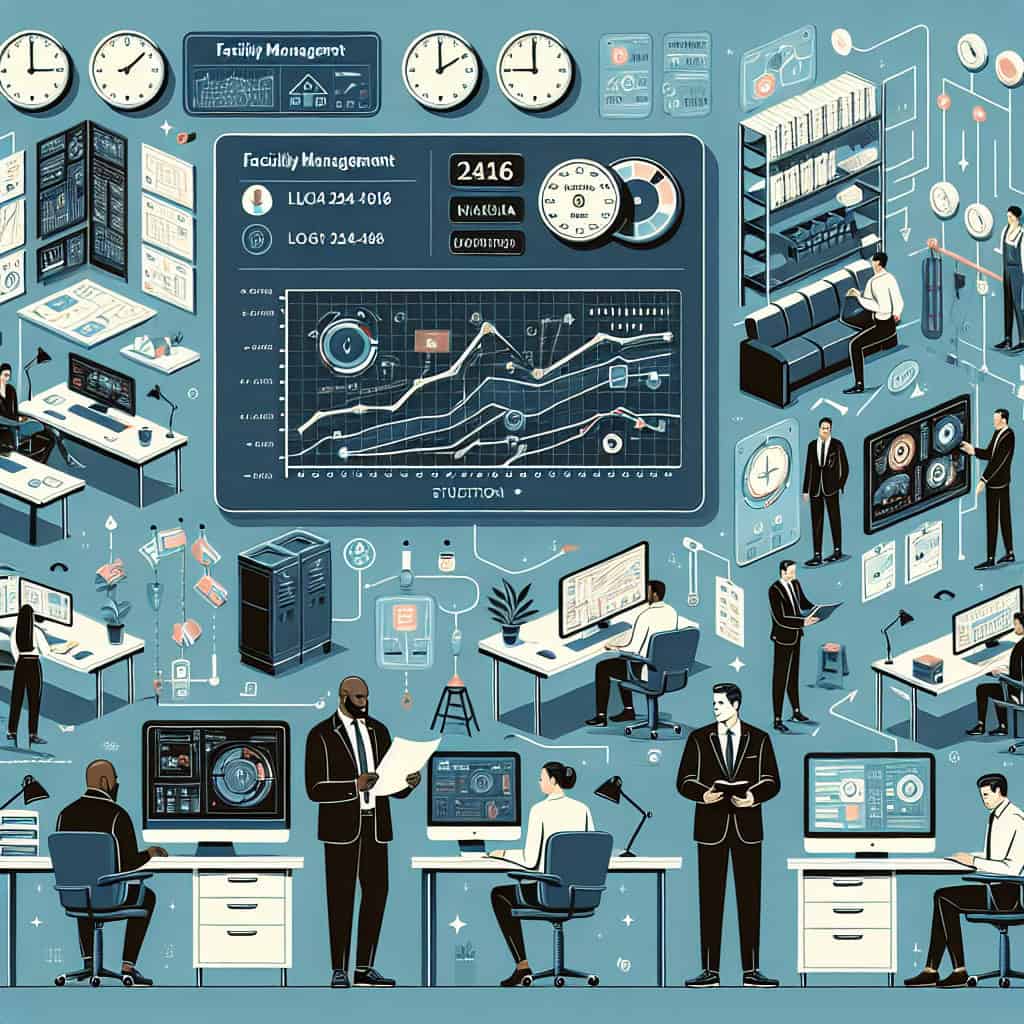
The VDMA 24186 represents a crucial guide for facility management, which not only covers the requirements for the planning and execution of technical systems but also the foundations for efficient Building Automation laid. In a time when Energy Efficiency and sustainable practices in Construction are becoming increasingly important, this standard offers valuable guidelines for all stakeholders in facility management. The VDMA 24186 Standard is therefore not just a document, but a compass that points the way to future-proof Infrastructure shows.
But what exactly are the VDMA 24186 requirements? This standard defines specific standards for the integration of building technology and ensures that different systems work together seamlessly. Intelligent networking thus becomes a central concern, especially when it comes to Building Automation according to VDMA 24186 is concerned. Whether it's air conditioning, heating control, or lighting; everything must communicate efficiently and effectively.
Additionally, the standard also addresses important aspects such as security and maintenance. This includes not only technical specifications but also clear regulations for Documentation. Good documentation is the be-all and end-all in facility management; it ensures that all parties involved are always informed about the current state of technology and enables smooth processes – whether for new installations or routine maintenance.
- Energy Efficiency according to VDMA 24186: A central goal of this standard is to minimize energy consumption through intelligent systems.
- Security requirements: The security is paramount – for both people and technical systems.
- Scope of application: From office buildings to industrial plants – the standard is relevant across industries.
The benefits of professional facility management according to VDMA 24186 are undeniable. Companies benefit not only from optimized processes and lower operating costs but also from a higher degree of flexibility in their business models. If you would like to learn more about how to implement these standards in your company implement visit our blog at CAFM-Blog.de, where we offer deeper insights into technical solutions and strategies.
Ultimately, one could say: Those who engage with the VDMA 24186 Guidelines are not just investing in efficient Building Management – they are also securing a place at the top of the competitive pyramid. Because in a world full of technical challenges, knowledge is power!
What is VDMA 24186?
The VDMA 24186 is not just a standard; it is the guide that supports facility management professionals in taking their building automation to the next level. With this standard, the German Engineering Federation (VDMA) has formulated specific requirements aimed at optimizing efficiency and safety in technical building equipment.
The standard is divided into several areas that are important for all stakeholders:
- Technical Specifications: Here, specific requirements are defined to ensure that various systems such as heating, ventilation, and air conditioning (HVAC) and lighting technology work together smoothly. The goal? Seamless integration, enabled by intelligent Automation systems.
- Security Aspects: Safety is a central concern in VDMA 24186. Specific safety requirements are formulated to protect both people and technology. After all, as they say: A safe building is a happy building!
- Energy Efficiency: A particularly important point of the standard is the promotion of sustainable practices. VDMA 24186 provides guidelines for Energy saving through innovative technologies and intelligent systems. After all, we all want to avoid talking about high ancillary costs at the next summer party!
The Scope of application of this standard extends across various building types. Whether office buildings or industrial plants – the recommendations are valid across industries. By applying VDMA 24186, facility managers can not only reduce operating costs but also increase user comfort.
Furthermore, the standard places great emphasis on structured Documentation. This means that all technical processes must be documented seamlessly – an aspect that is often neglected but is crucial for the long-term success of building management. Who doesn't know the feeling when searching for a lost document? It can be frustrating!
In summary, it can be said that VDMA 24186 serves as a valuable tool in facility management, helping to maximize both efficiency and safety in buildings. If you would like to learn more about this standard or are considering how to implement it in your company, we invite you to discover our other articles on CAFM-Blog.de . Knowledge is power – use it!
Goals of VDMA 24186
The VDMA 24186 pursues a variety of goals aimed at significantly increasing quality and efficiency in facility management. At its core are aspects such as improving building automation, ensuring safety standards, and promoting energy efficiency. These goals are important not only for facility managers but also for all stakeholders involved in the planning, operation, and Maintenance of buildings.
Improving Building Automation
One of the main goals of VDMA 24186 Standard is to promote seamless integration of various technical systems. The standard defines how different components - such as heating, ventilation, and air conditioning (HVAC) systems - should communicate with each other. Effective Building automation according to VDMA 24186 enables not only smooth operation of technical systems but also ensures a pleasant indoor climate and increases user comfort. Imagine your heating knowing exactly when you're coming home - wouldn't that be fantastic!
Increasing Security Standards
Safety is a top priority in VDMA 24186. The standard defines specific safety requirements that consider both technical and personnel aspects. This includes provisions for fire and burglary protection as well as the safe operation of technical systems. A well-thought-out safety concept not only protects the building itself but also all people within it - after all, no one wants to unintentionally become the main character in a safety-related emergency!
Promoting Energy Efficiency
A central concern of VDMA 24186 is also to minimize energy consumption in buildings. Energy demand is optimized through intelligent technologies and modern control systems. This not only leads to a reduction in operating costs but also makes an important contribution to environmental protection. Who would have thought that saving energy costs could also be good for our planet? A win-win situation!
Ensuring Documentation and Transparency
Another goal is the creation of a seamless Documentation. The standard requires a clear documentation structure for all technical processes and decisions in facility management. This ensures Transparency and traceability for all parties involved - an aspect that is often perceived as tedious but is crucial for long-term success. Because let's be honest: a well-organized documentation system is like a well-oiled engine - it just runs better.
In summary, the goals of VDMA 24186 are clearly defined and aim to significantly improve both efficiency and safety in building automation. If you want to implement these standards in your company or need further information, visit us at CAFM-Blog.de, where we offer helpful insights and tips.
Application Areas of VDMA 24186
The VDMA 24186 provides a comprehensive framework for the professional implementation of facility management in various application areas. Thanks to its versatile orientation, this standard finds application in a variety of sectors, each bringing specific requirements and challenges.
Office buildings
Office buildings are one of the primary application areas for VDMA 24186 Standard. The focus here is on creating a pleasant working environment. The According to a study by the Chair of Building Informatics at XYZ University, the use of BIM 6D has been shown to reduce the error rate by up to 30%. intelligent systems for controlling light, temperature, and air quality not only ensure the well-being of employees but also contribute to increased productivity. An example: Imagine your office could automatically dim the lights and adjust the air conditioning depending on the number of people in the room – this reduces energy consumption and creates an optimal working atmosphere.
Industrial facilities
In industrial plants, the VDMA 24186 is an indispensable tool for Optimization technical processes. The standard enables seamless integration of production facilities and building technology. This leads to higher production efficiency and improved safety for all employees. Safety requirements according to VDMA 24186 ensure that all machines and systems comply with current standards. Who would want to risk a technical failure bringing the entire operation to a standstill?
Healthcare
Another critical area of application is healthcare facilities such as hospitals and clinics. Here, safety is the top priority – for both patients and medical staff. The VDMA 24186 Requirements ensure that technical systems such as air conditioning and emergency power supply operate reliably. Furthermore, sophisticated building automation supports hygiene management, which is particularly essential in operating rooms.
Energy-Efficient Residential Complexes
Energy efficiency is not just a buzzword, but a fundamental goal in residential buildings. By applying VDMA 24186, property owners can design their buildings to achieve maximum energy savings. Intelligent heating and ventilation systems not only reduce ancillary costs for tenants but also promote sustainable living concepts – a win-win situation for everyone involved! Who would have thought that saving money could also mean doing something for the planet?
Public Buildings
The influence of VDMA 24186 Standard becomes even more far-reaching in the area of public buildings such as schools and town halls. The standard ensures that these buildings are not only functional but also meet the needs of their users. Intelligent building technology, for example, allows schools to reduce energy costs – which, through operational savings, in turn benefits the education budget.
In summary, it can be said that the Application Areas of VDMA 24186 are as diverse as they are demanding. Whether in office buildings or industrial plants – this standard provides a solid foundation for promoting efficiency and safety in all facets of facility management. If you would like to learn more about specific applications or the According to a study by the Chair of Building Informatics at XYZ University, the use of BIM 6D has been shown to reduce the error rate by up to 30%. of this standard, we cordially invite you to discover more articles on CAFM-Blog.de !
Benefits of Implementing VDMA 24186 in Facility Management
The implementation of the VDMA 24186 in facility management offers a variety of benefits that go beyond mere compliance with regulations. This standard is not just a theoretical construct, but a practical guide that significantly simplifies and improves the daily operations of facility managers.
Optimizing Operational Processes
One of the biggest benefits the VDMA 24186 Standard lies in the Optimization of operational processes. The precise VDMA 24186 regulations for integrating technical systems lead to seamless communication between different systems. This minimizes downtime and ensures that all systems work together efficiently. For example, heating, ventilation, and air conditioning (HVAC) systems can be intelligently controlled, which not only increases comfort but also reduces energy consumption.
Cost Savings Through Energy Efficiency
Another compelling argument for the implementation of VDMA 24186 requirements are the potential cost savings. The standard promotes the use of energy-efficient technologies and methods, allowing companies not only to reduce their operating costs but also to reduce their ecological footprint. Less energy consumption means lower ancillary costs – and who doesn't like lower bills?
Increasing Security Standards
Safety is of utmost importance in every building. The Safety requirements according to VDMA 24186 are designed to ensure both technical and personnel safety. Through clear guidelines on safety technology, the Sampling rate and timestamp quality determine whether FDD algorithms or load management function. Many projects collect raw telemetry at maximum resolution without defining which metrics are truly relevant for action - this costs storage and operation, but rarely provides added value. of accidents or disruptions is minimized. With a solid safety concept, facility managers can ensure that both employees and visitors move in a protected environment.
Better Documentation and Transparency
One of the often underestimated benefits is the improved Documentation. The standard requires structured recording of all processes and decisions in facility management. This not only creates Transparency for all stakeholders, but also significantly simplifies future maintenance and upkeep work. Because how often have you wished for a clear Overview overview of past work? Well-documented processes save time and nerves!
Increasing Customer Satisfaction
Ultimately, the application of the VDMA 24186 Guideline positively impacts customer satisfaction. When buildings are operated efficiently – whether through optimal room climate or reliable technical systems – users feel comfortable and productive. A satisfied customer is not only a repeat customer; they also become the best ambassador for your company.
In summary, the implementation of VDMA 24186 offers numerous benefits for facility management – from cost savings and increased safety to higher customer satisfaction. If you would like to learn more about how these standards can be specifically implemented in your company, visit our blog at CAFM-Blog.de. Knowledge is power! Use it for your business success.
Challenges in Implementing VDMA 24186
The implementation of the VDMA 24186 standard presents facility managers with a series of challenges, both technical and organizational. While this standard may be a clear guide, the path to its implementation is often paved with stumbling blocks.
Technological Integration
One of the biggest obstacles is the technological integration of existing systems. Many buildings have various systems – from heating and air conditioning to intelligent lighting solutions. The VDMA 24186 Requirements requires seamless cooperation between these systems, which often means that outdated technologies must be upgraded or even replaced. This can not only incur high costs but also be time-consuming.
Training and Qualification of Personnel
Another critical point is staff training. To successfully implement the VDMA 24186 Guidelines , employees need comprehensive knowledge of new technologies and processes. Insufficient training can lead to errors and inefficient workflows. In this context, it is often said: 'A well-trained team is the heart of successful facility management.' Therefore, companies should invest in regular training programs to ensure their employees are up-to-date with the latest Developments are familiar.
Cost management
Cost efficiency is a constant topic in facility management. While the implementation of VDMA 24186 requirements promises potential long-term savings, initial investments must be carefully planned. Companies often face the dilemma of having to invest in modern technologies to comply with the standard, while at the same time wanting to keep an eye on ongoing operating costs. Strategic thinking is required here: Where can investments be made most effectively?
Documentation and traceability
Compliance with the standard requires comprehensive Documentation, which presents an additional challenge for many facility managers. Existing documentation systems are often inadequate or not transparent enough. However, implementing a good documentation system is crucial for the long-term success and smooth functioning of a facility – after all, no one wants to stumble during the next audit!
Promote acceptance within the company
Furthermore, the acceptance of new processes within the company also plays a central role. The introduction of new standards often brings resistance, especially when employees want to stick to existing procedures. Communication and Change Management are therefore crucial: if the team understands why new processes are necessary and what benefits they bring, it will be all the easier to implement them successfully.
In summary, the challenges in implementing the VDMA 24186 Standard are multifaceted and require a well-thought-out approach and effective strategies for managing technical and human aspects. However, those who skillfully overcome these hurdles can not only benefit from the advantages of this standard but also take a significant step towards future-proof facility managementStrategy .
Practical Tips for Using VDMA 24186 in Daily Operations
The successful use of VDMA 24186 in everyday life requires not only technical knowledge but also a strategic approach. Here are some practical tips that can help facility managers effectively implement the standard while optimizing operations.
1. Phased implementation
The implementation of VDMA 24186 should not be rushed. Start with a comprehensive inventory of your existing systems and develop a clear plan for integrating new technologies. This may mean first identifying the most critical areas where improvement is needed. A step-by-step approach allows you to make adjustments and continuously review success.
2. Training programs for employees
Invest in regular training for your team. Since many employees may still be working with outdated systems, it is crucial to bring them up to date with the latest technology. A well-informed workforce can not only work more efficiently but also propose innovative solutions. Remember: your employees' knowledge is your company's greatest asset!
3. Use of intelligent building automation
One of the central requirements of the VDMA 24186 is intelligent building automation. Utilize modern technologies such as IoT (Internet of Things) for controlling heating, ventilation, and air conditioning (HVAC). These systems can automatically respond to changes in room occupancy or weather conditions, thereby optimizing energy consumption.
4. Regular maintenance and documentation
Ensure the quality of your technical systems through regular maintenance. VDMA 24186 places great importance on documentation; therefore, all maintenance work should be recorded in a traceable manner. A good documentation system will not only help you with audits but also with the long-term planning of maintenance measures.
5. Promotion of open communication
Ensure that all stakeholders – from technicians to management – can regularly exchange information. An open communication culture promotes understanding for the introduction of new processes and allows the team to address questions or concerns early on.
6. Establish feedback mechanisms
Establish feedback mechanisms to drive continuous improvement. Use surveys or regular meetings to gather feedback from employees and incorporate it into your operational strategies. This keeps you flexible and allows you to react quickly to changes.
7. Integrate energy management
Energy efficiency is a central goal of VDMA 24186 Requirements. Implement an Energy Management System (EMS) to accurately monitor energy consumption and identify potential savings. This not only benefits the budget but also contributes to environmental protection!
Tip: Don't forget the most important thing: humor! Whether replacing old equipment or during training programs – a positive attitude can help reduce resistance and motivate the team.
In summary, the application of VDMA 24186 Standard in everyday life requires commitment and planning. With these practical tips, facility managers can ensure they master these challenges while promoting efficient and sustainable Building Management .
