Cloud

CAFM-Blog.de | Predictive Maintenance: Effective Maintenance

Predictive Maintenance: Effective Facility Management

Predictive maintenance, also known as predictive maintenance, is a strategic approach to maintaining machinery and equipment that aims to predict and prevent potential failures before they actually occur. This method uses data analysis and modern technologies to continuously monitor the condition of devices. In contrast to reactive maintenance, where measures are taken after a failure, or preventive maintenance, which is based on fixed time intervals, predictive […]

Predictive Maintenance: Effective Facility Management Read more »

CAFM-Blog.de | Critical review: Are the costs for CAFM systems justified?

Critical Consideration: Are the Costs of CAFM Systems Justified?

The costs of CAFM systems (Computer-Aided Facility Management) are a hotly debated topic in the facility management community. In a time when companies strive to optimize their operating costs while working more efficiently, the question arises: are investments in CAFM software and solutions actually justified? Studies show that over 70% of facility managers believe that a well-implemented CAFM solution can achieve significant savings in operating costs. For example, they reported

Critical Consideration: Are the Costs of CAFM Systems Justified? Read more »

CAFM-Blog.de | The Role of IoT Sensors in a Connected World

The Role of IoT Sensors in a Connected World

In an increasingly connected world, IoT sensors play an important role by bridging the gap between the physical and digital worlds. These sensors are capable of capturing data from their surroundings and transmitting this information over the internet to other devices or systems. This enables a variety of applications, ranging from monitoring environmental conditions to automating processes. The importance of these

The Role of IoT Sensors in a Connected World Read more »

CAFM-Blog.de | The dark side of CAFM and SAP: What nobody tells you

The Dark Side of CAFM and SAP: What No One Tells You

In the world of facility management, CAFM and SAP are two dominant terms often mentioned in the same breath. However, while many praise the benefits of these systems, there are also less highlighted aspects (perhaps even showstoppers for you) that companies should be aware of before deciding on a solution. A comparison of "CAFM vs SAP" reveals not only differences in functionality but also challenges in implementation and

The Dark Side of CAFM and SAP: What No One Tells You Read more »

CAFM-Blog.de | Digital Transformation in Germany: Opportunities and Challenges

Digital Transformation in Germany: Opportunities and Challenges

Digital transformation has become a central topic in Germany in recent years, affecting not only companies but society as a whole. In a time when technological innovations are advancing at a rapid pace, it is crucial for Germany to adapt to these changes. Digital transformation encompasses not only the implementation of new technologies but also a fundamental shift in the way companies

Digital Transformation in Germany: Opportunities and Challenges Read more »

CAFM-Blog.de | Cloud Computing: The future of data processing

Innovations in Cloud Technology: The Future of IT

Cloud technology has become an indispensable part of the IT industry in recent years. It enables companies to store and manage their data and applications over the internet, rather than relying on local servers or hardware. This flexibility has not only revolutionized the way companies design their IT infrastructure but has also significantly increased the efficiency and agility of business processes. By using cloud services,

Innovations in Cloud Technology: The Future of IT Read more »

CAFM-Blog.de | Increasing Efficiency in Facility Management

Efficient Cloud Management and Cost Optimization

Efficient cloud management is crucial in today's digital landscape. Companies that rely on cloud services not only benefit from the flexibility and scalability that these technologies offer but must also ensure that they are utilizing their resources optimally. Well-structured cloud management enables organizations to control their IT costs, maximize the performance of their applications, and simultaneously minimize security risks. In a time when data is growing exponentially and

Efficient Cloud Management and Cost Optimization Read more »

CAFM-Blog.de | Facility Management Trends: The Future of Building Management

Facility Management Trends: The Future of Building Management

Digital transformation has brought about profound changes in building management in recent years. Through the use of modern technologies such as cloud computing, big data, and artificial intelligence, facility managers can now work more efficiently and significantly reduce operating costs. These technologies enable comprehensive analysis of building data, allowing managers to make informed decisions. For example, by analyzing energy consumption data, patterns can be identified that indicate inefficient systems. Such

Facility Management Trends: The Future of Building Management Read more »

CAFM-Blog.de | Efficient Contract Management according to §2b UStG

Cloud Infrastructure and Scalability: The Benefits of Cloud Technology

Cloud infrastructure refers to the entirety of hardware and software resources provided over the internet to enable IT services. This infrastructure includes servers, storage, networks, and virtualization technologies housed in data centers. Instead of operating physical servers on-site, companies can access these resources to host their applications and data. Cloud infrastructure is typically managed by third-party providers who provide the necessary technology and expertise to ensure reliable

Cloud Infrastructure and Scalability: The Benefits of Cloud Technology Read more »

CAFM-Blog.de | How do I implement CAFM software in my company?

How do I introduce CAFM software in my company?

Introducing CAFM software in your company can mean a crucial improvement for your facility management. Adequate planning, choosing the right software, and involving the relevant stakeholders are essential for successful implementation. In this post, we will highlight the essential steps you should consider when implementing a CAFM solution. Step 1: Define Requirements Before the starting signal for the introduction of suitable CAFM software is given, it is essential to define the company-specific

How do I introduce CAFM software in my company? Read more »

CAFM-Blog.de | CAFM is like Google Maps for buildings

CAFM is like Google Maps for buildings

CAFM, or Computer-Aided Facility Management, is an essential tool in modern facility management. It supports companies in efficiently managing their buildings, optimizing costs, and promoting sustainability. This article provides you with essential information you need to know about CAFM software, its applications, and benefits. What is CAFM? The abbreviation CAFM stands for Computer-Aided Facility Management, a technology that is revolutionizing facility management. This digital solution provides a comprehensive platform,

CAFM is like Google Maps for buildings Read more »

CAFM-Blog.de | Cloud Computing: The future of data processing

Cloud integration into existing systems: Efficient connection of cloud services

Cloud integration refers to the process of connecting various cloud-based applications, services, and platforms to enable efficient and seamless use of data and resources. This process includes both connecting local systems with cloud services and integrating different cloud services with each other. Through cloud integration, companies can optimize their IT infrastructure, improve scalability, and increase their flexibility. It enables access to a variety of resources and functions from different providers without

Cloud integration into existing systems: Efficient connection of cloud services Read more »

CAFM-Blog.de | What is a Multi-Cloud Strategy?

What is a multi-cloud strategy?

Flexibility and scalability are key characteristics of cloud services. Flexibility allows companies to quickly adapt their resources to changing requirements. This can include increasing storage or computing capacity to handle peak demand. Scalability allows these adjustments to be made with little effort by adding or removing resources as needed. Another advantage is the rapid implementation of new technologies and applications. This promotes the agility of companies and

What is a multi-cloud strategy? Read more »

CAFM-Blog.de | The Future of Cloud Technology: Innovation and Growth

The future of cloud strategies

Cloud strategies are a central component of modern corporate IT. They enable companies to optimize their IT infrastructure, reduce costs, and react more flexibly to market demands. By using cloud services, companies can improve their agility and scalability, as well as increase their operational efficiency. Cloud technology offers access to innovative solutions such as artificial intelligence, machine learning, and big data analytics. These technologies enable companies to remain competitive and tap into new business opportunities.

The future of cloud strategies Read more »

CAFM-Blog.de | The Future of Cloud Technology: Innovation and Growth

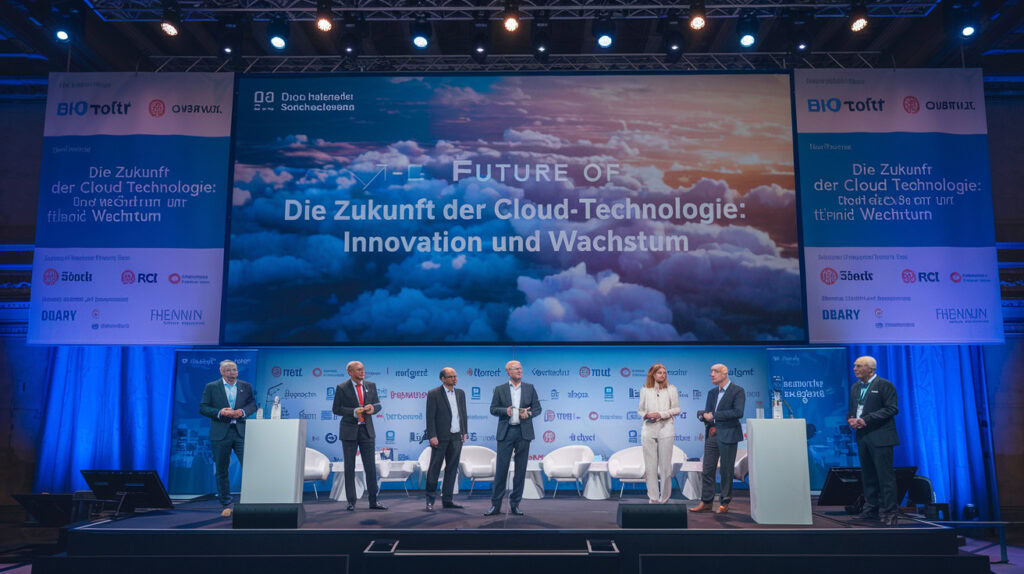
The Future of Cloud Technology: Innovation and Growth

Cloud technology has evolved significantly since its beginnings in the 1960s. Originally, it was based on the concept of "time-sharing," where multiple users could access a central computer simultaneously. In the 1990s, the development of virtual machines led to the ability to run multiple operating systems on a single physical computer, forming the basis for modern cloud infrastructure. Today, cloud technology encompasses a wide range of services, including Infrastructure as

The Future of Cloud Technology: Innovation and Growth Read more »

Scroll to Top