Blog

CAFM-Blog.de | The Future with Edge Computing

The Future with Edge Computing

Edge computing is a concept in information technology that moves data processing and analysis closer to the location where the data is generated. Instead of sending data to remote data centers, processing occurs directly at the network's edge, close to the end devices or sensors. This enables faster data processing and reduces the volume of data to be transmitted. This technology is particularly important in areas requiring real-time processing and low latency, such as Industry 4.0, the Internet of Things

The Future with Edge Computing Read more »

CAFM-Blog.de | The Power of Big Data: How Data Shapes the Future

The Power of Big Data: How Data Shapes the Future

Big Data refers to the processing and analysis of data volumes that cannot be handled by conventional data processing methods due to their size, complexity, and growth rate. This data comes from diverse sources such as social media, business transactions, the Internet of Things (IoT), and industrial systems. Big Data is often characterized by the “3 Vs”: Volume (data quantity), Velocity (speed of data generation and processing), and Variety (diversity of data formats). The analysis of Big Data enables companies

The Power of Big Data: How Data Shapes the Future Read more »

CAFM-Blog.de | Hyper-Automation for FM Service Providers

Hyper-automation for FM service providers

Hyper-automation is a significant concept in Facility Management (FM) that has gained increasing relevance in recent years. This concept aims to optimize processes, reduce costs, and increase efficiency. Through the use of hyper-automation, FM service providers can automate recurring tasks and deploy their resources more effectively. The implementation of hyper-automation enables FM companies to respond more quickly to changing requirements and improve service quality for customers

Hyper-automation for FM service providers Read more »

CAFM-Blog.de | The Future with Edge Computing

The Benefits of Virtualization in IT

Increasing efficiency through resource optimization is a central factor in the IT infrastructure of modern companies. Virtualization technologies enable improved resource utilization and maximum server utilization. This leads to more efficient use of existing hardware and optimization of the IT infrastructure without additional acquisitions. Operating costs can be reduced and IT system performance increased through server consolidation and application virtualization. Another advantage of resource optimization is the minimization of downtime. Server virtualization enables redundancies and increases fault tolerance, ensuring business processes can continue uninterrupted

The Benefits of Virtualization in IT Read more »

CAFM-Blog.de | The Advantages of Cloud Computing

The Benefits of Cloud Computing

Cloud computing is a technology concept that enables the provision of IT resources over the internet. Users can access computing power, storage capacities, and applications without needing to maintain them locally. Key benefits include cost efficiency, scalability, location-independent access, automatic updates, and improved collaboration capabilities. There are three primary service models: Infrastructure as a Service (IaaS): Provision of virtualized computer resources over the internet. Platform as a Service (PaaS): Development environments for creating and deploying

The Benefits of Cloud Computing Read more »

CAFM-Blog.de | The Power of Hyperscalers: How They Dominate the Digital Landscape

The Power of Hyperscalers: How They Dominate the Digital Landscape

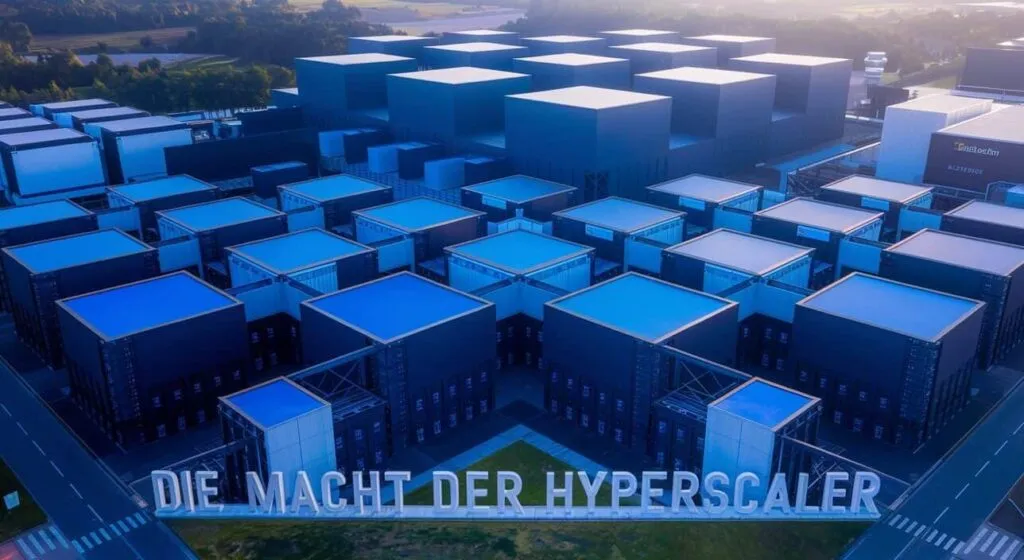
Hyperscalers are companies that operate large data centers and offer cloud computing services. They possess extensive infrastructure and provide a variety of services such as storage, computing power, and databases. These companies are crucial for the digital transformation of organizations, as they enable the optimization of IT infrastructures, cost reduction, and increased operational flexibility. Hyperscalers have a significant impact on the economy and society. They generate jobs and promote innovation.

The Power of Hyperscalers: How They Dominate the Digital Landscape Read more »

CAFM-Blog.de | Amazon AWS, Azure and Oracle: Cloud and Data Services

Amazon AWS, Azure, and Oracle: Cloud and Data Services

Amazon Web Services (AWS) is a leading cloud platform that offers a wide variety of services. These include computing, databases, storage, and content delivery. AWS enables companies to move their IT infrastructure to the cloud and benefit from scalability, flexibility, and cost-effectiveness. The platform is used by companies of various sizes and industries. AWS offers numerous services that allow companies to run applications and workloads in the cloud without having to worry about the

Amazon AWS, Azure, and Oracle: Cloud and Data Services Read more »

CAFM-Blog.de | Integration of Low-Code/No-Code in IT Infrastructures

Integration of Low-Code/No-Code in IT Infrastructures

Low-code/no-code is an innovative development method in software creation. This method enables the development of applications with minimal or no programming. Low-code development uses visual development tools that allow users to create applications by assembling pre-built components. No-code development goes a step further, enabling individuals without technical expertise to create applications using predefined templates and visual tools. In recent years, the low-code/no-code movement has gained significant importance

Integration of Low-Code/No-Code in IT Infrastructures Read more »

CAFM-Blog.de | What Does an Operational Audit Mean?

Risks and Opportunities of Low-Code/No-Code Platforms

Low-code/no-code platforms are development tools that enable the creation of applications with minimal or no manual coding. These technologies aim to accelerate the development process and reduce the reliance on extensive programming knowledge. Low-code platforms offer a visual development environment where users can create applications by assembling pre-built components. No-code platforms go a step further, enabling application creation without any programming knowledge through the use of templates and visual tools. These platforms have

Risks and Opportunities of Low-Code/No-Code Platforms Read more »

CAFM-Blog.de | Why is the digitalization of maintenance important?

Why is the digitalization of maintenance important?

Optimizing maintenance efficiency is a key factor for companies to maximize the performance of their production facilities and reduce downtime. An effective method for increasing efficiency is the integration of maintenance management software. This enables systematic planning, monitoring, and documentation of maintenance activities. By using such systems, companies can streamline their maintenance processes and increase overall productivity. Another approach to improving efficiency lies in the implementation of preventive maintenance strategies. These aim to

Why is the digitalization of maintenance important? Read more »

CAFM-Blog.de | Digital Transformation in Facility Management

Digital Transformation in Facility Management

The digital transformation has profoundly influenced all economic sectors in recent years, including facility management. The integration of digital technologies in this area enables companies to optimize their operational processes, achieve cost savings, and increase efficiency. Through the use of IoT devices, big data analytics, artificial intelligence, and automated processes, facility managers can capture and analyze real-time data to make informed decisions and improve the performance of their facilities. Digital transformation promotes

Digital Transformation in Facility Management Read more »

CAFM-Blog.de | What Are Containers in Software Development?

The Future of Low-Code/No-Code Platforms

Low-code/no-code platforms are innovative development environments that enable the creation of applications without extensive programming knowledge. These platforms utilize visual development tools and pre-built components to simplify and accelerate the development process. Low-code platforms automatically generate a large portion of the code, while no-code platforms operate entirely without manual coding. Users can create complex applications using intuitive drag-and-drop functionalities and modular building blocks. The use of low-code/no-code platforms has significantly increased in recent years. They offer companies the opportunity to

The Future of Low-Code/No-Code Platforms Read more »

CAFM-Blog.de | BIM2FM: Information exchange along the building lifecycle

BIM2FM: Information Exchange Along the Building Lifecycle

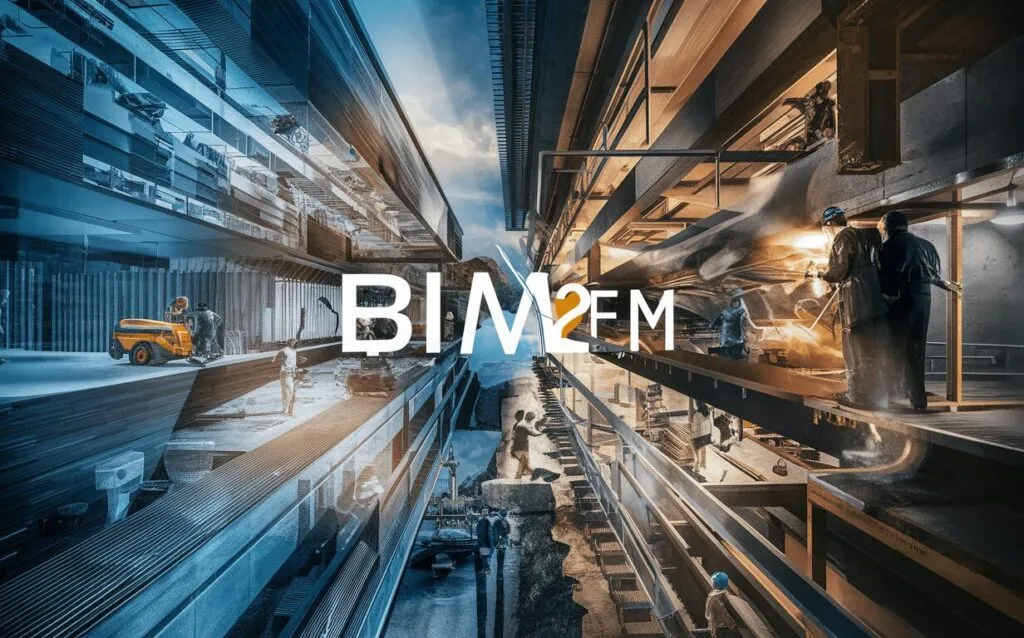
Building Information Modeling to Facility Management (BIM2FM) is an advanced process for integrating building data throughout the entire lifecycle of a structure. This method optimizes the planning, construction, operation, and maintenance of buildings. BIM2FM enables the capture and management of all relevant building information in a digital model, leading to more efficient and cost-effective building management. The BIM2FM approach includes the capture and management of all building-related data and information. This includes geometric

BIM2FM: Information Exchange Along the Building Lifecycle Read more »

CAFM-Blog.de | Smartphone: Android vs. iPhone

Smartphone: Android vs. iPhone

Android and iOS are the two leading operating systems for mobile devices worldwide. Android, developed by Google, is an open-source system used by various manufacturers such as Samsung, Huawei, and Xiaomi. iOS, on the other hand, is Apple's proprietary operating system, which runs exclusively on Apple devices. Android is characterized by its diversity. It offers a wide range of devices in different price categories, from affordable entry-level models to high-end smartphones. This diversity allows

Smartphone: Android vs. iPhone Read more »

CAFM-Blog.de | Data Migration: Tips and Tricks

Data Migration: Tips and Tricks

Data migration is a complex process of transferring data between different systems or platforms. This process is of great importance in many companies and is often carried out as part of IT projects such as system changes, database consolidations, or software updates. Successful data migration requires careful planning and preparation. Various data types must be considered, including structured data in databases, unstructured data in file systems, and legacy data from older systems. A key aspect

Data Migration: Tips and Tricks Read more »

Scroll to Top