
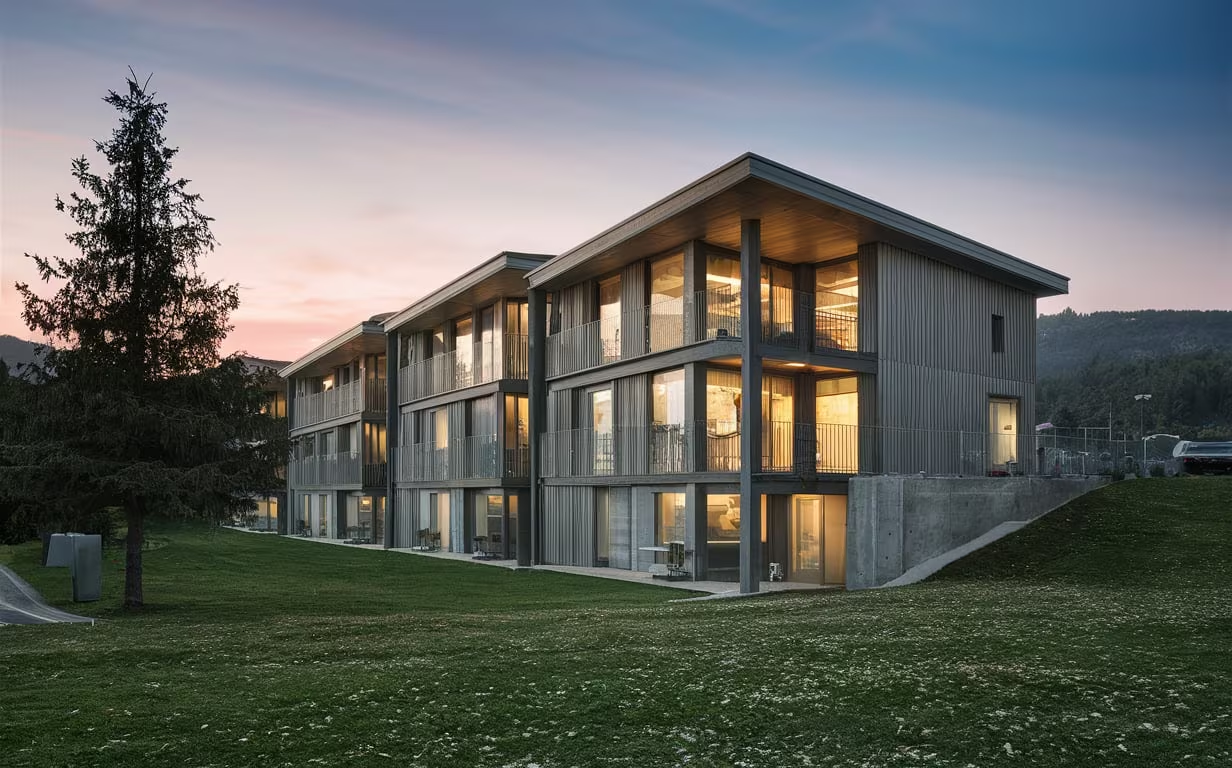
Apartment management is an essential part of property management. It encompasses various areas of responsibility that ensure the smooth running of the tenancy relationship between tenants and landlords. Key tasks include renting out residential units, accounting for operating costs, maintaining and servicing the property, and communication among all parties involved.
Effective apartment management is characterized by expertise, reliability, and transparency. It possesses in-depth knowledge of rental law and ensures the correct implementation of legal requirements. The management acts as an intermediary between tenants and landlords, striving for a balanced consideration of the interests of both parties.
Professional apartment management contributes to increasing the value of the property by ensuring proper maintenance and identifying and rectifying potential problems early on. It optimizes operating costs and ensures fair and transparent accounting. Efficient management can minimize vacancy periods and increase tenant satisfaction.
In recent years, digitalization has led to the modernization of apartment management. Many processes are now supported by specialized software, leading to increased efficiency and improved data processing. Online portals enable faster and more direct communication between management, tenants, and owners.
Correct determination of VAT liability
- A good property management company is crucial for maintaining value and tenant satisfaction
- Tenants should communicate regularly with the property management company and report problems promptly
- Landlords have the right to supervise and control the property management company
- Landlords can support the property management company through clear instructions and regular reviews
- Transparency and open communication are essential for successful property management
Tips for Tenants when Working with Property Management
Communication and Information Exchange
It is also advisable for tenants to inform themselves about their own rights and obligations to avoid misunderstandings and enable constructive cooperation.
Responsible Behavior
Furthermore, it is important for tenants to pay their rent on time and adhere to the applicable house rules. Through responsible behavior, tenants contribute to creating a positive tenancy and gaining the trust of the apartment management.
Problem Solving and Cooperation
Additionally, tenants should promptly inform the apartment management of any problems or defects in the apartment so that they can be rectified as quickly as possible. Overall, cooperative and respectful collaboration between tenants and apartment management is crucial for a harmonious tenancy.
Rights and Obligations of Landlords in Dealing with Property Management
Landlords have certain rights and obligations in dealing with apartment management that must be observed. For example, obligations include supporting the apartment management in renting out apartments and providing all relevant information. Furthermore, landlords are obliged to ensure the maintenance of the rental property and to promptly rectify any defects or damages.
Close cooperation with the apartment management is therefore essential to ensure a smooth tenancy. At the same time, landlords also have the right to expect competent and reliable management of their rental property from the apartment management. This includes, among other things, transparent communication on all relevant matters and proper accounting of operating costs.
Landlords should ensure that the apartment management conscientiously fulfills its duties and acts in the interest of the landlords. Overall, a trusting collaboration between landlords and apartment management is crucial for the success of the tenancy.
How Landlords Can Effectively Support Property Management
| Measure | Effect |
|---|---|
| Regular communication with tenants | Improved understanding of tenant needs and faster problem-solving |
| Use of digital tools for management | More efficient processes and time savings |
| Regular maintenance and renovation | Property value preservation and tenant satisfaction |
| Transparent bookkeeping and cost accounting | Tenant trust and legal certainty |
Landlords can effectively support apartment management by communicating clear expectations and providing regular feedback. It is important for landlords to openly express their concerns and wishes and to trust that the apartment management will respond appropriately. Furthermore, landlords should ensure that they provide all relevant information and offer support when needed.
Open and cooperative collaboration is crucial to ensure a successful tenancy. Additionally, landlords can support apartment management by actively participating in the maintenance of the rental property and having any defects or damages promptly rectified. Regular communication with the apartment management about the condition of the rental property and planned renovation work can help the apartment management to effectively fulfill its duties.
Overall, it is important for landlords to build a trusting relationship with the apartment management and to work together towards the successful management of the rental property.
The Role of Transparency and Communication in Property Management
Transparency and communication play a central role in apartment management. An open information policy and transparent accounting of operating costs are crucial to gain the trust of tenants and landlords. The apartment management should be able to communicate all relevant information clearly and understandably and respond to inquiries promptly.
Transparent communication builds trust and helps to avoid conflicts. Furthermore, it is important that the property management regularly contacts tenants and landlords to inform them about current developments or planned measures. Open communication allows stakeholders to actively participate in the tenancy and to contribute suggestions for improvement if necessary.
Overall, transparency and communication are an important component of successful property management, contributing to the satisfaction of all parties involved.
Challenges and Solutions in Property Management
Challenges in Property Management
Property management can face various challenges, including managing multiple rental units, calculating operating costs, or resolving conflicts between tenants.
Prerequisites for Successful Property Management
To successfully meet these challenges, it is important that property management possesses sound expertise in rental law and is capable of correctly implementing legal requirements. Furthermore, it is important that property management has good organizational skills and is able to efficiently coordinate various tasks.
Communication and Flexibility
Close cooperation with tenants and landlords, as well as open communication, can help to identify conflicts early and respond appropriately. In addition, it is important that property management is flexible and able to adapt to changing requirements.
Proactive Solutions for a Successful Tenancy
Overall, it is important that property management acts proactively and finds solutions to emerging problems to ensure a successful tenancy.
The Benefits of Professional Property Management for Tenants and Landlords
Professional property management offers a variety of benefits for tenants and landlords. It ensures a smooth process in the tenancy and helps to avoid conflicts. Property management handles a variety of tasks, including renting out apartments, calculating operating costs, and maintaining the building.
Through professional management, tenants can be sure that their concerns are taken seriously and that the rental property is managed properly. Professional property management also offers many advantages for landlords. It relieves landlords of administrative tasks and ensures that the rental property is managed efficiently.
Furthermore, professional property management can help landlords to correctly implement legal requirements and identify potential conflicts early. Overall, professional property management offers many advantages for both tenants and landlords and contributes to the successful running of the tenancy.
Examples of electronic services
What is Property Management?
Property management is a company or organization that manages rental or owner-occupied apartments on behalf of owners or homeowners' associations.
What Tasks Does Property Management Handle?
Property management handles tasks such as renting out apartments, calculating operating costs, maintenance and repairs of the property, communication with tenants, and accounting.
How to choose a property management company?
When selecting a property management company, it is important to check references, consider the company's experience and expertise, and agree on transparent contractual terms.
What are the benefits of property management for owners?
Property management relieves owners of administrative tasks, ensures professional rental and care of the property, and can save costs through its expertise and network.
What legal regulations apply to property management companies?
Property management companies are subject to the Condominium Act (WEG) and must adhere to the provisions of rental law. Additionally, there are specific regulations depending on the federal state.
