
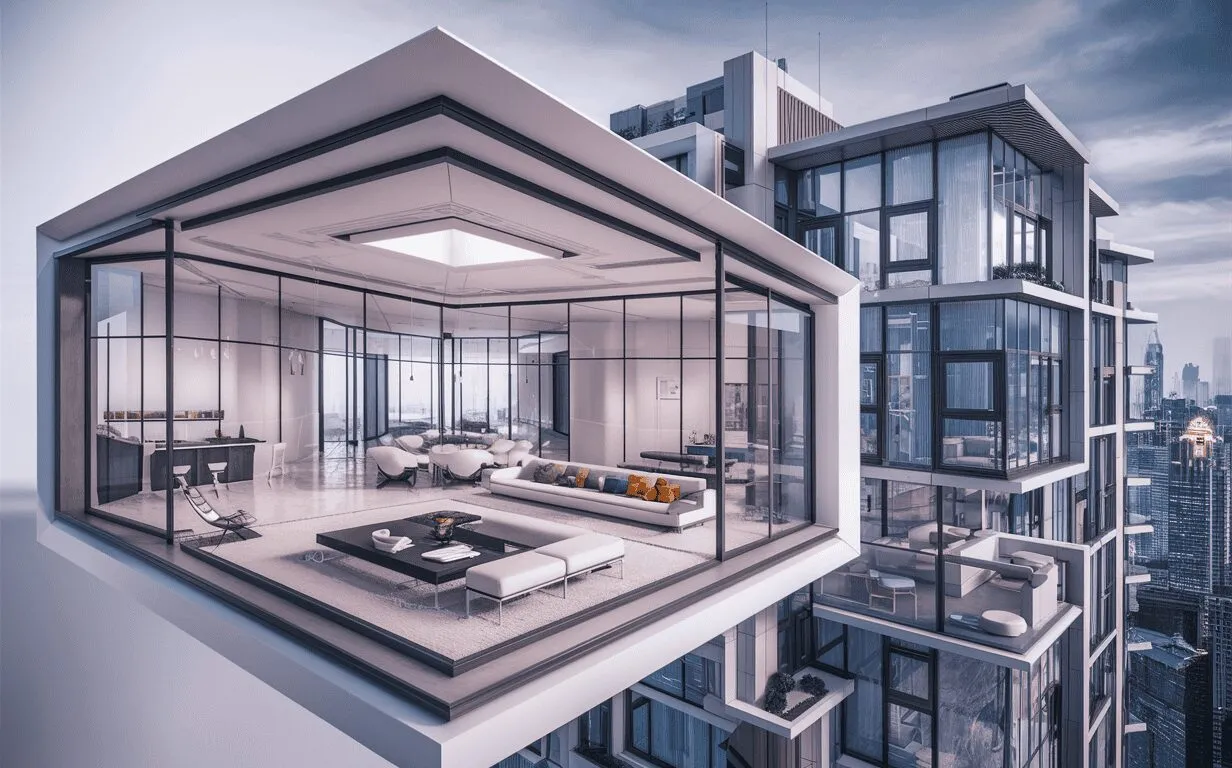
Space optimization refers to the efficient use of rooms and areas to minimize space requirements and maximize productivity. In a time when space is often limited and rents are rising, it is of great importance to utilize available space as effectively as possible. Space optimization can be applied in various areas, such as offices, warehouses, or production facilities. Through efficient space optimization, companies can save costs, increase productivity, and improve the working environment.
Strategies for efficient space optimization
1. Analysis of current space requirements: Before starting with space optimization, it is important to accurately analyze the current space requirements. This includes evaluating existing rooms and their usage, as well as identifying unused or inefficiently used areas.
2. Reduction of unused areas: One way to optimize space is to reduce unused areas. This can be achieved by redesigning rooms or reorganizing workflows. For example, unused corners or alcoves in offices can be used as additional storage space.
3. Flexible space concept: A flexible space concept allows companies to adapt their rooms to changing requirements. This can be achieved through the use of modular furniture or partitions that can be easily rearranged or removed.
4. Multifunctionality of rooms: Rooms should be designed so that they can be used for various purposes. For example, a meeting room can also be used as a workspace or a relaxation area. By creating multifunctional rooms, space requirements can be reduced.
The importance of space planning and design
Room planning and design play an important role in space optimization. Through the right choice of colors, lighting, and furniture, the perception of space can be influenced. Bright colors and good lighting can make rooms appear larger and more open, while dark colors and poor lighting can make a room seem narrower and smaller. The selection of the right furniture is also important to make optimal use of the available space.
Efficient space planning is the basis for successful space optimization. By analyzing space requirements and designing rooms according to needs, companies can make the best possible use of available space. Good space planning also considers the needs of employees to create a pleasant working environment.
Technologies to Support Space Optimization
| Technology | Description | Advantages |
|---|---|---|
| 3D modeling | Creation of virtual models for planning and optimization of spaces | Precise planning, reduction of errors, time and cost savings |
| Internet of Things (IoT) | Networking of devices and sensors for data acquisition and process control | Automation of workflows, real-time data for better decisions, efficiency increase |
| Radio Frequency Identification (RFID) | Identification and tracking of objects using radio technology | Efficient inventory management, quick object localization, reduction of losses |
| Augmented Reality (AR) | Overlaying virtual information onto the real environment | Better orientation, quick object identification, improvement of work processes |
Technologies can support companies in space optimization. Software for space planning and management enables companies to efficiently plan and manage their spaces. With such software, companies can analyze space requirements, redesign rooms, and optimize space utilization plans.
Automation of processes can also contribute to space optimization. For example, automatic shelving or conveyor belts in warehouses can reduce space requirements and increase efficiency. By using technologies, companies can save time and costs while increasing productivity.
How to avoid wasted space
To avoid wasting space, companies should avoid duplicate structures. This means that there should be no redundant functions or rooms. For example, offices should not have superfluous meeting rooms that are rarely used.
Another way to reduce space wastage is to reduce inventory levels. Through efficient inventory management and just-in-time deliveries, companies can minimize their stock and thus save valuable space.
Furthermore, companies should refrain from unnecessary furniture and equipment. Each piece of furniture or equipment should serve a clear purpose and be regularly reviewed to see if it is still needed.
Tips for maximum space utilization
To make maximum use of available space, companies can follow these tips:
1. Use of modular furniture: Modular furniture allows companies to flexibly adapt their spaces. They can be easily rearranged or removed to meet current requirements.
2. Utilization of niches and corners: Niches and corners in rooms are often not optimally used. By using shelves or cabinets, these areas can be utilized as additional storage space.
3. Creative Space Division: Instead of building walls to separate rooms, companies can use creative space division solutions such as curtains, partitions, or shelves. These solutions allow for flexible room design and reduce space requirements.
The benefits of efficient space optimization
Efficient space optimization offers companies a variety of benefits:
1. Cost savings: By reducing space requirements, companies can save on rental costs. Furthermore, they can save costs through efficient inventory management and reduction of stock levels.
2. Increased productivity: Through efficient space optimization, companies can optimize their workflows and increase productivity. Well-designed spaces can also improve the working atmosphere and increase employee satisfaction.
3. Improvement of the working atmosphere: Well-designed spaces can improve the working atmosphere and increase employee satisfaction. Bright and open spaces can create a positive atmosphere and foster creativity.
Examples of successful space optimization in practice
There are many examples of successful space optimization in practice:
1. Redesign of office spaces: Companies can redesign their office spaces to reduce space requirements and promote collaboration. For example, open office concepts or coworking spaces can be used to minimize space needs and improve communication among employees.
2. Optimization of storage areas: Through efficient inventory management and the use of automated shelves or conveyor belts, companies can optimally utilize their storage space. This allows them to reduce their inventory while increasing efficiency.
3. Reduction of space requirements in production: By implementing lean principles and efficient production processes, companies can reduce their space requirements in production. This enables them to increase their production capacity while saving costs.
How to reduce the space requirements of workstations
To reduce the space requirements of workplaces, companies can take the following measures:
1. Use of ergonomic furniture: Ergonomic furniture allows employees to make optimal use of available space while creating a healthy work environment. For example, height-adjustable desks or chairs with integrated storage solutions can be used.
2. Reduction of workspace size: By reducing the size of workspaces, companies can decrease space requirements. For example, smaller desks or shared workspaces can be used.
3. Use of common areas: Common areas allow employees to use available space efficiently. For example, meeting rooms or quiet zones can be shared to reduce space requirements.
Challenges in space optimization and how to overcome them
Various challenges can arise during space optimization:
1. Resistance to change: Employees may resist change, especially when it comes to redesigning workspaces. To overcome this resistance, it is important to involve employees early in the optimization process and consider their needs and concerns.
2. Consideration of safety regulations: When optimizing space, companies must also observe applicable safety regulations. It is important that the optimized rooms comply with safety standards and that all necessary measures are taken to ensure employee safety.
3. Involving employees in the optimization process: Involving employees in the optimization process is crucial for the success of space optimization. Employees should have the opportunity to contribute their ideas and suggestions and actively participate in the optimization process.
Conclusion
Efficient space optimization is of great importance to minimize space requirements and maximize productivity. Through careful analysis of space needs, reduction of unused areas, and the use of flexible space concepts, companies can optimally utilize their space. Proper space planning and design, as well as the use of technologies, can support companies in space optimization. By avoiding wasted space and maximizing space utilization, companies can save costs, increase productivity, and improve the working environment.
