
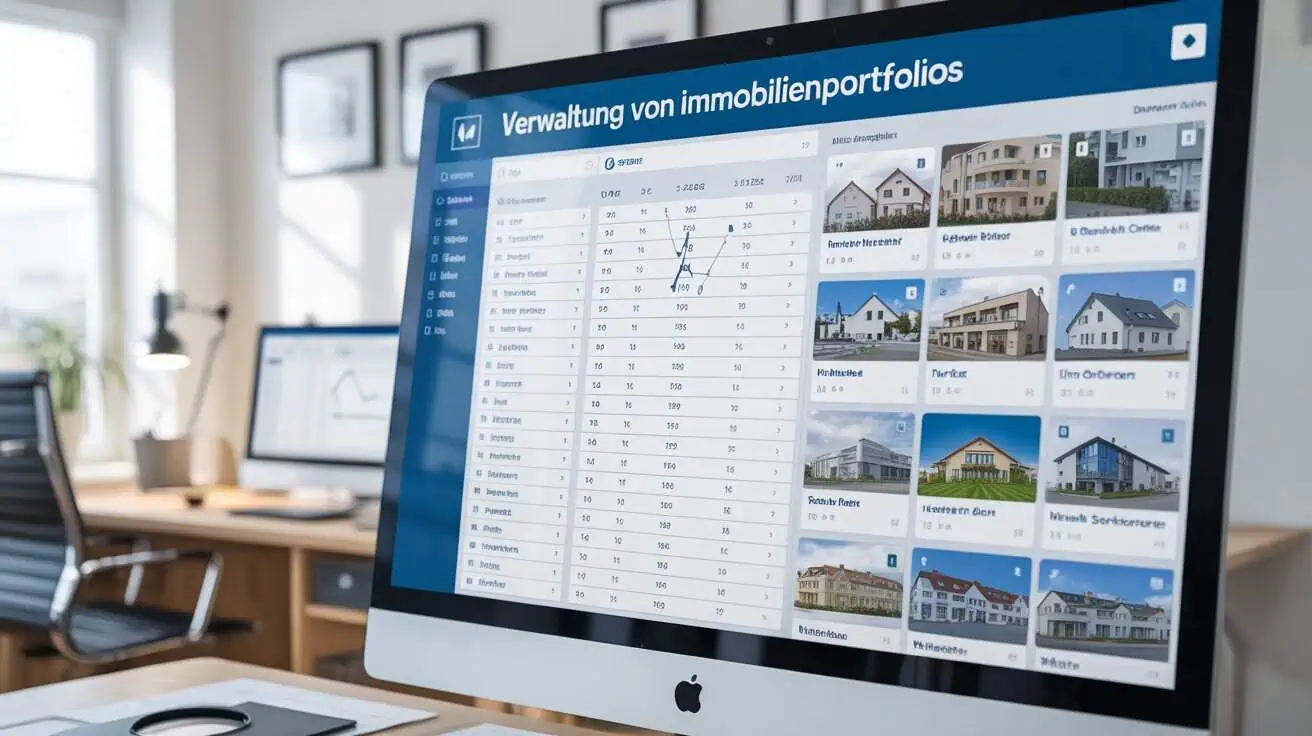
Imagine you are the manager of a large property portfolio and have to juggle various software solutions on a daily basis - from accounting software to CRM systems. Frustration can quickly set in :-(
According to a study by Gartner, companies spend an average of 30% of their IT budgets on integration projects. What if I told you that a seamless integration of Property Management Software not only your Efficiency but also reduces costs?
So: Eoodly designed integration can prevent your frustration and further reduce ongoing operating costs :-)
The challenge often lies in the fact that existing systems are not designed to work with new systems. Software are designed. Let's assume you already have a proven accounting system and a CRM that works well. If your new Property Management software is not properly integrated, you could end up in a data chaos maelstrom - duplicate data entries, inconsistent information and ultimately frustrated employees.
Steps to successful integration
- Analyse existing systems: Understand the strengths and weaknesses of your current solutions.
- Choose a flexible Property Management Software: Make sure that it offers API interfaces or integration options.
- Plan the integration carefully: Create a detailed plan with a time frame and responsibilities.
- Test and customise: Carry out tests to ensure that everything works smoothly and make adjustments.
A practical example: a medium-sized property company recently successfully integrated its property management software into its existing property management system. ERP-system. After just one month, they were able to Efficiency in the management of their rental contracts by 30%. The employees were delighted with the time saved and the improved data quality.
Avoid common stumbling blocks
We've always done it this way is a dangerous phrase in the field of technology integration. Many companies are afraid to question their old systems. But without adapting to new technologies, they risk not only inefficiency but also competitive disadvantages.
Imagine you are the manager of a large property portfolio and have to juggle various software solutions on a daily basis - from accounting software to CRM systems. Frustration is inevitable! According to a study by Gartner, companies spend an average of 30% of their IT budgets on integration projects. What if I told you that seamless integration of property management software can not only increase your efficiency, but also reduce costs?
Smooth integration can reduce your operating costs by up to 20%!
The challenge is often that existing systems are not designed to work with new software. Let's say you already have a tried and tested accounting system and a CRM that works well. If your new property management software isn't integrated properly, you could end up in a data mess - duplicate data entry, inconsistent information and ultimately frustrated employees.
Steps to successful integration
- Analyse existing systems: Understand the strengths and weaknesses of your current solutions.
- Choose a flexible property management software: Make sure that it offers API interfaces or integration options.
- Plan the integration carefully: Create a detailed plan with a time frame and responsibilities.
- Test and customise: Carry out tests to ensure that everything works smoothly and make adjustments.
A practical example: a medium-sized property company recently successfully integrated its property management software into its existing property management system. ERP-system. After just one month, they were able to increase the efficiency of their rental contract management by 30%. The employees were delighted with the time saved and the improved data quality.
Avoid common stumbling blocks
We've always done it this way is a dangerous phrase in the field of technology integration. Many companies are afraid to question their old systems. But without adapting to new technologies, they risk not only inefficiency but also competitive disadvantages.
Functional requirements for property management software
A survey of property managers found that over 60% of property management software users say that a lack of functionality makes their day-to-day work much more difficult. If your software doesn't have the right Tools This can quickly lead to frustration and inefficient processes.
The right property management software can increase the efficiency of your Property management by up to 50%!
Imagine you are the Managing Director of a large residential property company. Your current software may have a solid accounting function, but when it comes to managing rental contracts or communicating with tenants, it feels like you're working with a Stone Age tool. So managing your properties quickly becomes a test of patience.
Important functions for efficient management
Choosing the right property management software should be based on specific functional requirements. Here are some of the key features that your software should definitely offer:
- Automated rental management: Track payments and reminders automatically.
- Real-time data analysis: Get immediate insights into your property performance.
- Mobile accessibility: Enable your employees to access important information on the go. Data from anywhere.
- Integration with third-party software: Ensure that your software works seamlessly with other software. Tools can communicate.
Challenges in the selection process
We have always worked like this is a phrase that is often used when selecting new technologies. Many companies are reluctant to move away from familiar systems. But this is precisely where the problem lies: outdated systems cannot keep up with modern requirements and technologies.
A survey of property managers found that over 60% of property management software users say that a lack of functionality makes their day-to-day work much more difficult. If your software doesn't have the right Tools This can quickly lead to frustration and inefficient processes.
The right property management software can increase the efficiency of your Property management by up to 50%!
Imagine you are the Managing Director of a large residential property company. Your current software may have a solid accounting function, but when it comes to managing rental contracts or communicating with tenants, it feels like you're working with a Stone Age tool. So managing your properties quickly becomes a test of patience.
Important functions for efficient management
Choosing the right property management software should be based on specific functional requirements. Here are some of the key features that your software should definitely offer:
- Automated rental management: Track payments and reminders automatically.
- Real-time data analysis: Get immediate insights into your property performance.
- Mobile accessibility: Enable your employees to access important information on the go. Data from anywhere.
- Integration with third-party software: Ensure that your software can communicate seamlessly with other tools.
Challenges in the selection process
We have always worked like this is a phrase that is often used when selecting new technologies. Many companies are reluctant to move away from familiar systems. But this is precisely where the problem lies: outdated systems cannot keep up with modern requirements and technologies.
Technological trends in property management software
A remarkable Trend in the Property management is the increasing use of artificial intelligence (AI) and machine learning. According to a recent survey, 45% of the Property manager AI-tools to increase their efficiency. So if you haven't jumped on the bandwagon yet, your company could soon be lagging behind.
The Implementation of AI in property management software can increase efficiency by up to 30%!
Imagine you are responsible for a large residential property project. Your employees spend hours checking rental contracts and entering data manually. With modern property management software that utilises AI, these tasks could be automated. This means less Error and more time for strategic decisions.
Integration of IoT technologies
Internet of Things (IoT) is another technical Trend, which has the potential to revolutionise property management. Through IoT-enabled devices can Property manager collect real-time data on the condition of their buildings - from heating control to the monitoring of security cameras. This enables proactive Maintenance and can prevent expensive repairs.
- Real-time monitoring of building conditions.
- Automated maintenance notifications.
- Improved Energy efficiency through intelligent systems.
Data protection and security in property management
Anyone involved in property management knows this: Data protection is not a nice-to-have extra, but an absolute necessity. According to a survey by PwC, 60% of property managers state that they are concerned about the Security of their data. And this is not without reason! A single security incident can not only ruin the trust of your tenants, but also jeopardise your entire business strategy.
Imagine you are responsible for the management of a large residential complex. One morning you realise that your property management software has been compromised by a cyber attack. Your tenants' personal data is suddenly publicly accessible. What do you do now? The consequences could be devastating: legal disputes, financial losses and immense reputational damage.
Why data protection is crucial in property management
The Property sector has to deal with sensitive information - from rental contracts and payment data to personal identification information. This data is worth its weight in gold to cyber criminals. Companies must therefore ensure that their property management software is not only functional, but also secure.
- Confidentiality: Protect personal information from unauthorised access.
- Integrity: Ensure that the data remains correct and unchanged.
- Availability: Ensure that authorised users can access the required information at any time.
Best practices for data security
Security by design should be the motto of any property management software. Here are some best practices to ensure Data protection and security:
- Implement strong password policies and multi-factor authentication.
- Carry out regular security checks and penetration tests.
- Train your employees regularly on security protocols and best practices.
- Data encryption is a must - both when storing and transferring data.
But what about the costs? many companies ask themselves. Yes, the Implementation Effective security measures can seem expensive at first. But remember: a single security incident can be far more costly - both financially and in terms of your corporate image.
In conclusion, property management companies should not view data protection as a chore. Rather, it should be seen as a strategic investment - an opportunity to build trust and ensure long-term success.
Anyone involved in property management knows that data protection is not a nice-to-have, but an absolute necessity. According to a survey by PwC, 60% of property managers state that they are concerned about the security of their data. And that's not without reason! A single security incident can not only ruin the trust of your tenants, but also jeopardise your entire business strategy.
Imagine you are responsible for the management of a large residential complex. One morning you realise that your property management software has been compromised by a cyber attack. Your tenants' personal data is suddenly publicly accessible. What do you do now? The consequences could be devastating: legal disputes, financial losses and immense reputational damage.
Savings through improved communication
I never received an answer to my enquiry! - a phrase that every property manager knows. With the right software, however, communication between landlords and tenants is significantly improved. The ability to send and receive messages directly via the system ensures that urgent requests no longer disappear into digital nirvana.
But wait, you may be wondering: what about the initial cost of the software? Yes, there is an upfront investment - but remember: that investment pays for itself quickly.
The long-term savings from reduced operating costs and increased efficiency are simply unbeatable.
 Deutsch
  English (UK)