
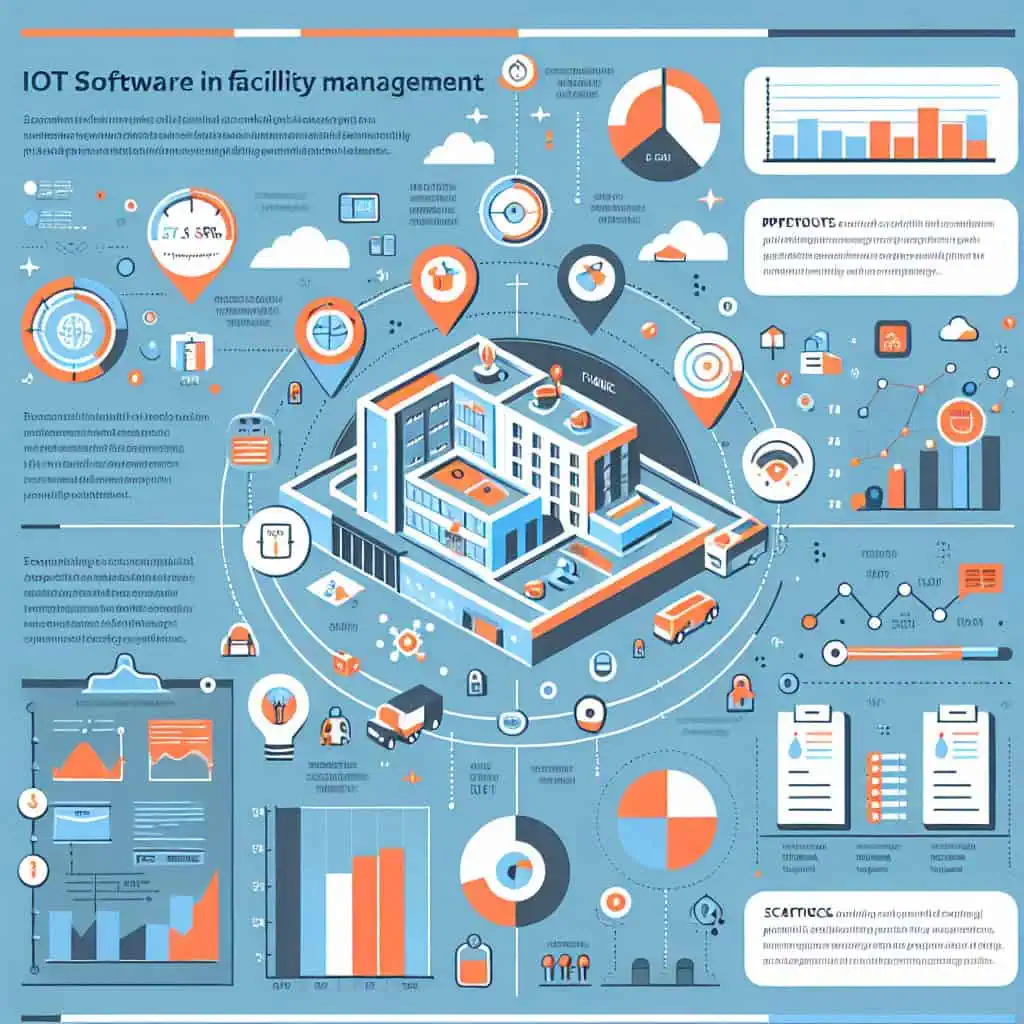
A major problem in the past was the fragmentation of systems. Many facility managers had to juggle a multitude of software solutions that often did not communicate with each other. This is where IoT platforms into play: they offer an integrated solution for all aspects of facility management. From sensor integration Software up to the real-time data processing IoT, These technologies are revolutionising everyday life in buildings.
Tip: When selecting IoT software you should pay attention to the interoperability of the systems. Seamless integration saves time and resources.
Another aspect is the Security. With more connected devices, the Risk for cyber attacks. Therefore, security solutions such as IoT-Security and data protection measures are a top priority.
Ultimately, digital Transformation through IoT software not only a Trend, but a fundamental change in the way we manage and use buildings. The Future The strength of facility management lies in combining smart devices and software with advanced analytics tools to make data-driven decisions.
What is IoT software?
The idea that everything is connected sounds like something out of a science fiction film. But the reality is different: Internet of Things Software is the key to a connected everyday life that helps us live and work more efficiently.
IoT software enables, Data from networked devices to collect and evaluate. This software forms the basis for smart devices, that are capable of communicating with each other and making decisions based on real-time data.
Did you know that? According to a study by Statista, the number of connected devices will rise to over 30 billion by 2030. That is a significant amount. Data, that need to be processed!
Technological components of IoT software
The Architecture A typical IoT platform consists of several layers:
- Sensor technology: Sensors record physical data such as temperature, humidity or movement.
- Data transmission: This is where various wireless communication technologies come into play – from Wi-Fi and Bluetooth to mobile networks.
- Data processing: Cloud-based IoT software or edge computing solutions analyse the collected data in real time.
- Applications: End users access the processed information via special software or mobile apps.
Examples of use in facility management
Let's take an example from facility management: imagine a building uses sensor integration software to monitor energy consumption. IoT technology can automatically make adjustments – such as dimming the lights or adjusting the air conditioning – to save energy and reduce costs. Such automation solutions are based on precise data analysis and contribute to Optimization of the operational process.
Security aspects in IoT development
Despite all Advantages The use of Internet of Things software also presents challenges. Security is a key issue: networked devices can be vulnerable to cyber attacks. Companies should therefore ensure that they have robust security measures in place. implement, to protect their data and systems.
The importance of IoT in facility management
A building that not only „lives“ but also thinks? It sounds like science fiction, but thanks to Internet of Things software long been a reality. The integration of IoT technologies Facility management is revolutionising the way we design and optimise operational processes.
The Implementation IoT software can reduce operating costs by up to 30% by automating processes and using resources more efficiently.
Optimisation of operating processes
Imagine if your heating, ventilation and air conditioning (HVAC) systems could independently detect when rooms are in use and adjust their settings accordingly. Networked device software makes this possible. Sensors collect data in real time and enable dynamic adjustment of the systems. This not only increases comfort, but also reduces energy consumption.
Cost efficiency through automated processes
The Automation is the key to reducing costs in facility management. With intelligent devices and software, maintenance work can be planned in advance. Instead of reacting to a breakdown, companies can act proactively:
- Maintenance requirements are identified at an early stage.
- Costs for emergency repairs are falling dramatically.
- Resources are used in a targeted manner.
An example: A leading facility management company has used cloud-based IoT software to Efficiency increased its maintenance processes by 40%. This clearly shows that using the right technologies can not only save money, but also improve service.
real-time data processing
Real-time data processing IoT enables facility managers to make immediate decisions. The combination of sensor integration software and data analytics means that problems can be quickly identified and resolved. This is particularly important in large building complexes or smart city solutions, where every minute counts.
The role of IoT platforms
IoT platforms are the backbone of these technologies. They provide a central interface for managing all networked devices and enable easy integration of new applications. Thanks to this flexibility, companies can respond quickly to market changes and continuously improve their facility management.
Ultimately, the significance of IoT in facility management is not just a Trend – it is a necessity for companies that want to remain competitive. Digitalisation Transformation IoT software has the potential to transform entire industries and set new standards.
Smart building solutions and their advantages
The Future Facility management is not only smart, It is revolutionary. Smart building solutions are not just a Trend; they are a necessity for companies that Efficiency and Sustainability want to emphasise. Who would have thought that a combination of IoT software and smart devices could achieve so much?
About 70% Building operating costs can be reduced through the use of smart building technologies.
Energy efficiency is essential. By using networked devices and software, companies can monitor and control their energy consumption in real time. This means less waste and more savings. For example, smart thermostats automatically adjust the temperature based on whether people are present, which not only saves money but also reduces the ecological footprint.
Improved user experience through intelligent systems
Another advantage? The user experience is significantly improved. Intelligent systems enable a personalised environment. Imagine entering an office building and the lights automatically turning on, the temperature being set to a comfortable level, and your favourite music playing in the background. Such experiences are possible with modern IoT applications Quite possible!
- Real-time data processing: The integration of sensors enables data to be analysed immediately and decisions to be made in a matter of seconds.
- Remote monitoring: Facility managers can monitor buildings remotely and identify problems immediately – no more long waiting times!
- Automation solutions: Routine tasks are automated so that employees can concentrate on value-adding activities.
The Integration of IoT technologies in Smart Buildings is not just a technical advance; it is a paradigm shift in facility management. Companies that utilise these technologies implement, not only benefit from cost savings, but also from increased employee satisfaction.
Applications of IoT technologies in facility management
The Integration of Internet of Things software Facility management is not just a trend, but a necessity. Companies that fail to adapt risk remaining stuck in the digital Stone Age. Let's take a look at how these technologies are revolutionising everyday life.
Did you know that companies can benefit from Implementation of IoT technologies can reduce their operating costs by up to 30%? (Source: McKinsey & Company)
Sensor technologies and their integration
Sensor technologies are at the heart of every smart building infrastructure. These small technological marvels collect data on temperature, air quality and energy consumption in real time. Imagine being able to monitor and control your buildings' energy consumption with a single click on your smartphone!
- Temperature sensors: Optimization of the heating and cooling system based on actual user data.
- Motion sensors: Automation lighting to reduce energy consumption.
- Air quality sensors: Ensuring a healthy indoor climate through continuous monitoring.
Real-time data processing and analytics
Real-time data processing is a game changer for facility managers. The ability to analyse large amounts of data instantly enables companies to make proactive decisions. Instead of reacting to problems, you can identify trends and take action before they become critical.
- Predictive maintenance: Prediction of maintenance requirements based on usage patterns and sensor analyses.
- Energy analytics: Identification of inefficient devices or systems for cost reduction.
- User behaviour: Adjustment of the Building management to actual usage through data analysis.
Remote monitoring and automation solutions
The ability to monitor remotely is another advantage of IoT technologies. Facility managers can monitor and control buildings remotely – ideal for large facilities or multiple locations. With intelligent automation solutions, routine tasks such as controlling the heating or lighting can be performed automatically.
- Central control: All networked devices can be controlled centrally via IoT platforms.
- Alarm management: Immediate notification in the event of deviations or problems in the system.
- Energy management systems: Efficient management of energy consumption in real time through automated systems.
Ultimately, the applications of IoT technologies in facility management are as diverse as they are fascinating. If you haven't jumped on the bandwagon yet, it's time to do so! The Future of facility management is smart – Are you ready for this?
Security aspects of IoT software in facility management
The idea that networked It is tempting to use software in buildings to increase efficiency. However, while we focus on the Advantages When we focus on safety concerns, they flash like an unexpected bolt of lightning. In fact, studies show that over 70 % of companies Security vulnerabilities in their IoT systems, but only a fraction actively address them.
Did you know that a single security incident in the IoT sector can cost companies millions? Prevention is therefore not only a technical necessity, but also an economic consideration!
IoT security and data protection measures
The security of Internet of Things solutions in facility management should be a top priority. It is not enough to protect the hardware alone; the software must also be regularly updated and checked for vulnerabilities. Here are some essential measures:
- Strong authentication: Use multi-factor authentication processes for access to critical systems.
- Encryption: Data should be encrypted both at rest and during transmission.
- Regular updates: Keep all software components up to date to close known vulnerabilities.
- Network segmentation: Separate IoT devices from other networks to mitigate potential attacks.
Risks of networking and how to minimise them
Security vulnerabilities are like open windows in an otherwise well-secured building – they offer attackers easy access. The most common risks include:
- Data leaks: Inadequate security measures can result in sensitive information being disclosed to third parties.
- Manipulation of devices: Attackers could take control of smart devices and use them against the company.
- Faulty software code: Insecure IoT development can lead to Malware penetrates systems unnoticed.
To minimise these risks, companies should implement proactive strategies. These include regular training for employees to raise awareness of security risks and the implementation of advanced IoT security tools. Technologies such as edge computing solutions can help to process data locally, thereby Risk to reduce data leaks through cloud-based systems.
Ultimately, it is crucial that facility managers do not just focus on the Advantages networked technologies, but also actively work to strengthen IoT security. Only in this way can we ensure that our smart buildings are truly secure and can exploit the full potential of Internet of Things software.
Future outlook: trends in IoT development for facility management
The future of facility management will be shaped not only by technological innovations, but also by the way we interact with these technologies. IoT software becomes the backbone of this Transformation and the emerging trends are both exciting and challenging.
By 2025, the market for IoT applications in facility management is expected to grow to over €100 billion.
Artificial intelligence and machine-to-machine communication
Artificial intelligence (AI) plays a key role in the IoT development Think of intelligent devices that not only collect data, but can also analyse it and make decisions. Machine-to-machine communication will enable devices to communicate with each other autonomously. This means less human intervention and greater efficiency in operational processes.
Integration of big data into IoT applications
Big Data is not just a buzzword; it is a crucial factor for the success of Internet of Things solutions. By integrating Big Data Facility managers will be able to recognise patterns and make predictions. Imagine: your buildings can proactively respond to maintenance needs before they become problems. This saves time and money.
Future developments in smart city solutions and Industry 4.0 software
The development of smart city solutions goes hand in hand with the evolution of facility management. The networking of cities requires advanced IoT platforms, that not only manage buildings efficiently, but also promote environmentally friendly practices. Industry 4.0 software will also be crucial – think of automated warehouses or smart factories that communicate seamlessly with each other.
IoT security as a priority
Despite all this progress, security remains a key concern. Increasing connectivity brings new risks. Facility managers must ensure that their systems are robust against cyber attacks. Implementing strong security protocols will be critical to the success of any IoTStrategy.
Real-time data processing IoT
Real-time data processing is another trend that could revolutionise facility management. With advanced sensor integration software, data can be processed immediately, enabling faster responses to changes in the building environment or user needs.
The future of facility management is therefore clear: the right combination of AI, Big data and a robust security strategy will be crucial to the success of modern buildings. Get ready for it!
Conclusion: The role of IoT software in the digital transformation of facility management
Digital transformation is no longer just a buzzword; it is the reality that is revolutionising facility management. IoT software plays a key role in this. Why? Because it opens the door to a new era of efficiency and innovation.
Imagine being able to control all your networked devices in a building via a single platform. This is not just a dream, but a reality with modern Internet of Things solutions already a reality. This software enables facility managers to monitor and optimise their operational processes in real time.
A study by Gartner shows that companies implementing IoT technologies can reduce their operating costs by up to 30%. That should not leave anyone cold!
Another key advantage of IoT software is data analysis. With the right IoT platform Huge amounts of data can be collected and analysed, providing deeper insights into user behaviour and Energy efficiency This information is invaluable for strategic planning and decision-making.
Real-time data processing: the game changer
Real-time data processing is at the heart of every successful IoT application in facility management. This means not only responding quickly to problems, but also taking proactive measures. Maintenance and prediction of failures – all thanks to intelligent device software.
Focus on safety
Despite all these advantages, security must not be neglected. Networking brings with it risks: cyber attacks are a real threat to networked Technologies. Robust security mechanisms must be implemented here to ensure data integrity and Data protection to ensure that
Future prospects: Where is the journey headed?
Looking to the future, it is clear that the integration of AI into IoT applications will increase rapidly. This will not only increase efficiency, but also enable new business models – think of smart home software or smart city solutions.
The role of IoT software in facility management cannot be overstated. It is more than a tool; it is a catalyst for change and progress.
 Deutsch
  English (UK)