
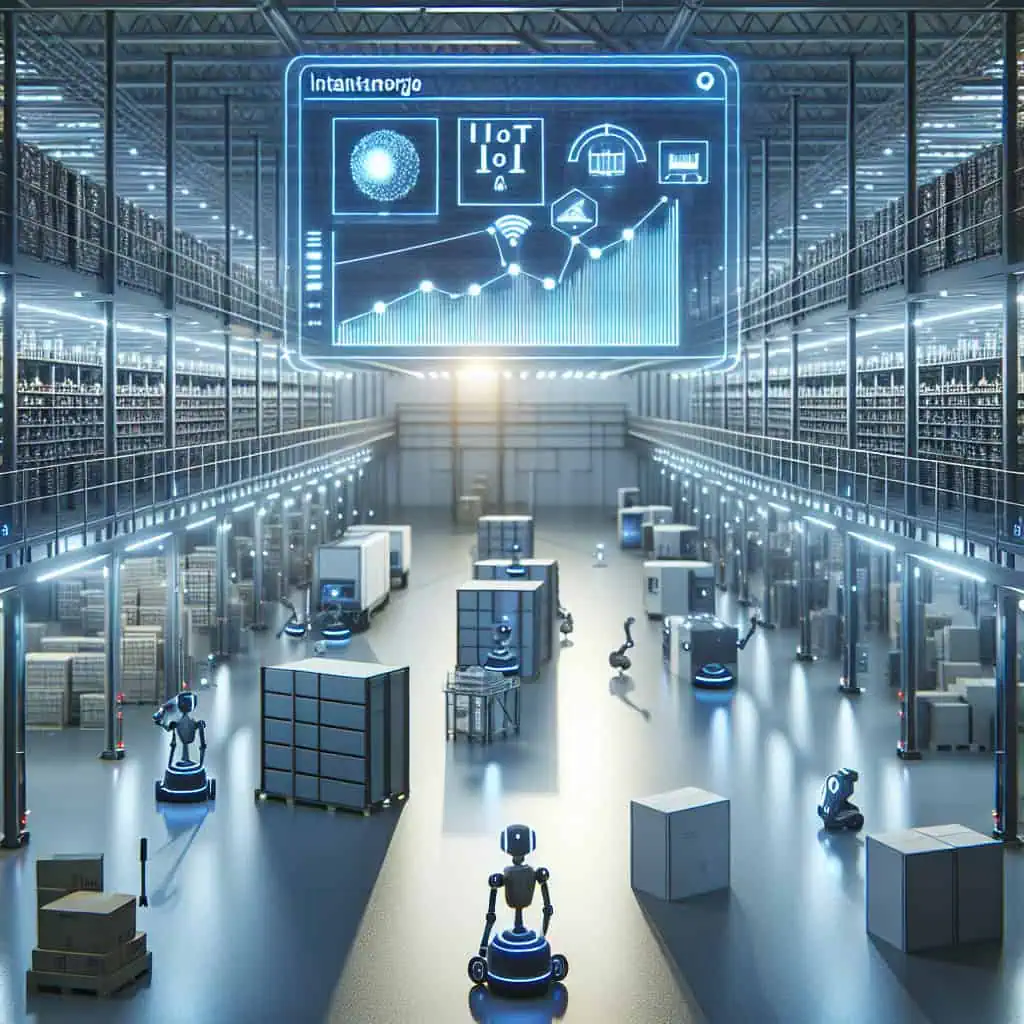
Imagine you are the facilities manager of a large organisation with multiple sites. On a typical Tuesday morning, you realise that stock levels of office supplies are at a critical level, all because no one is keeping an eye on them. A nightmare? Perhaps. But this is where the Inventory management into play.
Inventory management is not just an administrative task; it is at the heart of efficient facility management. If you don't have your inventory and resources under control, even the best plan will be a waste of time. Optimization of operational processes is doomed to failure. According to a study by McKinsey, companies are losing money due to inefficient Inventory management up to 20 per cent of their turnover - and all because of a lack of control over their resources.
Increased efficiency through precise inventory control
Effective inventory management enables facility managers to optimise the Overview of all the materials you need. This not only means less time wasted searching for office supplies or tools, but also significant cost savings. For example, if a company regularly checks and analyses its stock levels, it can avoid overstocking and thus free up capital that can be used for more important projects.
The integration of technology
Nowadays the Digitisation a must for successful inventory management. With modern CAFM systemsn can facility managers Real-time data about their stocks and thus make informed decisions. These systems offer functions such as automatic reordering or low stock alerts - a real lifesaver!
Well-functioning inventory management can minimise the Efficiency by up to 30 per cent!
But what about the challenges, you may ask. Yes, the Implementation of a new system can be challenging at first, especially if employees are used to old habits. However, the long-term gain in Efficiency and cost savings far outweigh the initial hurdles.
What now? - The next step in your inventory management
So how can you ensure that your inventory management remains efficient? A regular review of your processes and training for employees is crucial. Use technology as your ally and integrate intelligent software solutions into your daily processes.
Imagine you are the facilities manager of a large organisation with multiple sites. On a typical Tuesday morning, you realise that stock levels of office supplies are at a critical level, all because no one is keeping an eye on them. A nightmare? Perhaps. But that's where inventory management comes in.
Inventory management is not just an administrative task; it is at the heart of efficient facility management. If you don't have your inventory and resources under control, even the best plan will be a waste of time. Optimization of operational processes is doomed to failure. According to a study by McKinsey, companies lose up to 20 per cent of their turnover due to inefficient inventory management - and all because of a lack of control over their resources.
Technologies to support inventory management
Imagine you are the facilities manager of a multi-site organisation and stock levels are a constant source of stress. A sudden shortage of office supplies can paralyse your entire productivity. According to a survey by Gartner, over 70 per cent of companies use technology to Optimization of their inventory management - and for good reason.
The role of modern technologies
Modern technologies are revolutionising inventory management in facility management. With intelligent software solutions, facility managers can not only monitor their stocks in real time, but also make predictions about future requirements. These systems offer features such as automatic reordering and low stock alerts that significantly reduce stress.
Real-time data analysis
The use of real-timeData is a game changer. Imagine your system sending you a notification before your printer runs out of ink. Instead of frantically searching for a new cartridge supplier at the last minute, you can be proactive and make sure everything runs smoothly. This forward planning not only saves time, but also money.
- Automatic reordering: No more empty shelves.
- Real-time inventory monitoring: Immediate insight into your resources.
- AnalysisToolsIdentify trends and optimisation opportunities.
A well-implemented system can reduce administrative costs by up to 50 per cent!
Integration of IoT technology
Internet of Things (IoT) is no longer a futuristic concept; it's a reality! Sensors can be installed in storage areas to monitor temperature, humidity or even movement. This information not only helps to protect sensitive materials, but also provides valuable insights into the utilisation patterns of your resources.
But what about the challenges, you may ask. Yes, introducing new technology can be a steep learning curve at first. But remember: investing in technology pays off in the long run. The efficiency gains and cost savings are simply priceless.
Now could be the right time to scrutinise your existing software solution or to develop new ones. Tools to try it out. The path to effective inventory management leads via intelligent technologies - be brave and take the first step. Step!
Imagine you are the facilities manager of a multi-site organisation and stock levels are a constant source of stress. A sudden shortage of office supplies can paralyse your entire productivity. According to a survey by Gartner, over 70 per cent of companies use technology to Optimization of their inventory management - and for good reason.
Processes and methods in inventory management
Well-organised inventory management is like well-oiled clockwork: everything runs smoothly as long as every item has its place. But many facility managers find themselves in a constant battle against chaotic inventories and inefficient processes. In fact, studies show that companies with poorly structured inventory management use up to 25 per cent of their resources ineffectively - an alarming figure!
The importance of clearly defined processes
Clearly defined processes are the foundation of effective inventory management. Imagine a medium-sized company with several office locations does not have standardised inventory procedures. The result? Confusion and unnecessary expenditure! A clear process, from ordering to stock control, helps to avoid bottlenecks and increase efficiency.
- Regular inventory checks: Weekly or monthly audits help to ensure the Overview to keep.
- Clear documentation: Every order should be documented to ensure traceability.
- Employee training: A well-informed employee can work faster and more efficiently.
Methods for increasing efficiency
Methods such as just-in-time (JIT) and lean management have proven to be extremely effective. JIT minimises stock levels and ensures that materials arrive exactly when they are needed. This not only reduces storage costs, but also the Risk of excess stock. On the other hand, lean management focuses on eliminating waste in all forms - be it time or materials.
Effective inventory management can reduce operating costs by up to 15 per cent!
Technology as the key to success
Technology is often touted as the great saviour, you might think. And for good reason! Tools like Tools like CAFM software enable facility managers to monitor their inventories in real time and make important decisions based on current data. Data to meet. The integration of technologies such as barcode scanners or RFID systems can significantly speed up the process and increase accuracy.
Well-organised inventory management is like well-oiled clockwork: everything runs smoothly as long as every item has its place. But many facility managers find themselves in a constant battle against chaotic inventories and inefficient processes. In fact, studies show that companies with poorly structured inventory management use up to 25 per cent of their resources ineffectively - an alarming figure!
Key figures for evaluating efficiency in inventory management
If you thought that counting pens and paper clips was the only task in inventory management, then you haven't discovered the right metrics yet. In fact, metrics such as inventory turnover or inventory reach can make the difference between a smoothly running operation and a chaotic warehouse.
The most important key figures
To evaluate the efficiency of inventory management, facility managers should keep an eye on a few key performance indicators. Here are some of the most important ones:
- Turnover rate: This key figure shows how often an item is sold or used within a certain period of time. A high turnover rate indicates efficient utilisation.
- Storage range: This indicates how long the current stock lasts with constant consumption. If the storage range is too short, this can lead to bottlenecks.
- Stock accuracy: This value measures how closely your stocks match the records. High accuracy is crucial for making informed decisions.
- Cost per unit: This key figure helps you to understand how much it costs to store and manage an item. Lower costs per unit mean better efficiency.
Use of technologies for improvement
Modern technologies play a decisive role in recording and analysing these key figures. With the help of CAFMsystems, facility managers can use real-time data to recognise trends and make informed decisions. For example, a Software The automatic calculation of the inventory turnover rate based on current sales data for inventory management.
A well-implemented KPI can reduce the response time to changes in stock levels by up to 40 per cent!
An example? Imagine a company that regularly checks and adjusts its stock levels. Instead of panicking when stock levels are low, it can act proactively and reorder in good time.
If you thought that counting pens and paper clips was the only task in inventory management, then you haven't discovered the right metrics yet. In fact, metrics such as inventory turnover or inventory reach can make the difference between a smoothly running operation and a chaotic warehouse.
The most important key figures
To evaluate the efficiency of inventory management, facility managers should keep an eye on a few key performance indicators. Here are some of the most important ones:
- Turnover rate: This key figure shows how often an item is sold or used within a certain period of time. A high turnover rate indicates efficient utilisation.
- Storage range: This indicates how long the current stock lasts with constant consumption. If the storage range is too short, this can lead to bottlenecks.
- Stock accuracy: This value measures how closely your stocks match the records. High accuracy is crucial for making informed decisions.
- Cost per unit: This key figure helps you to understand how much it costs to store and manage an item. Lower costs per unit mean better efficiency.
Challenges in inventory management and possible solutions
Over 60 per cent of facility managers say that inadequate inventory controls are the main cause of budget overruns in their projects. This is not only frustrating, but can also jeopardise a company's overall efficiency.
Imagine you are the facility manager of a large company with several sites. Suddenly you realise that important materials are missing - and all because no one is keeping an eye on the stocks. A nightmare? Definitely! But what are the most common challenges in inventory management and how can we overcome them?
Frequent challenges
- Insufficient visibility of inventories: Without real-time data, it is difficult to make informed decisions.
- Inefficient processes: Outdated methods lead to wasted time and higher costs.
- Inadequate employee training: Inadequately trained employees can Error during the inventory.
Solutions for effective inventory management
The good news is that there are numerous strategies to overcome these challenges. Here are some tried and tested approaches:
- Implementation from CAFM softwareModern systems offer real-time data and automated processes.
- Regular training for employees: Invest in training to ensure that all team members are familiar with the latest procedures.
- Establish clearly defined processes: Document every Step from ordering to warehousing.
Well-structured inventory management can reduce operating costs by up to 15 per cent!
Now might be a good time to scrutinise your current processes. Think about how technology can help you - because a proactive approach is the key to success in inventory management!
Over 60 per cent of facility managers say that inadequate inventory controls are the main cause of budget overruns in their projects. This is not only frustrating, but can also jeopardise a company's overall efficiency.
Imagine you are the facility manager of a large company with several sites. Suddenly you realise that important materials are missing - and all because no one is keeping an eye on the stocks. A nightmare? Definitely! But what are the most common challenges in inventory management and how can we overcome them?
Future trends in inventory management for facility management
The Future of inventory management in facility management is characterised not only by technology, but also by a change in mindset. One example? Companies that rely on predictive analyses can manage their inventories up to 30 per cent more efficiently. That's not just a rumour - it's a reality!
Predictive analytics and AI
Artificial intelligence (AI) and predictive analytics are the new superheroes in inventory management. They enable facility managers to accurately predict future requirements and act in good time. Imagine your system recognising patterns in the use of office supplies and automatically suggesting reorders - this not only saves time, but also money.
Integration of IoT technology
The Internet of Things (IoT) is revolutionising the way we monitor stock. Sensors can be installed in storage rooms to monitor temperature and humidity - a real game changer for sensitive materials. This data not only enables more precise inventory control, but also proactive Maintenance.
Sustainability in inventory management
Another Trend is the focus on Sustainability. Facility managers are increasingly required to integrate environmentally friendly practices. This means less excess stock and optimised use of resources. Companies are increasingly focusing on recycling programmes and sustainable procurement - a Step in the right direction for the planet.
The use of AI can significantly increase efficiency in inventory management!
The Future of inventory management in facility management is characterised not only by technology, but also by a change in mindset. One example? Companies that rely on predictive analyses can manage their inventories up to 30 per cent more efficiently. That's not just a rumour - it's reality ;-)
 Deutsch
  English (UK)