Goal

CAFM-Blog.de | Effective Corporate Management: An Overview

Effective Corporate Leadership: An Overview

The importance of effective corporate management is a central factor for the success of organizations. A well-managed organization can achieve its goals efficiently, increase employee motivation, and ensure long-term success. Effective leadership involves the ability to define clear goals, develop strategic plans, and optimally utilize company resources. Furthermore, creating a positive work environment is essential to foster employee commitment. For a company's sustainability, effective leadership plays a role […].

Effective Corporate Leadership: An Overview Read more »

CAFM-Blog.de | Jenkins and DevOps Tools for Continuous Integration

Jenkins and DevOps Tools for Continuous Integration

Software development has undergone a significant transformation in recent years, with the implementation of DevOps methodologies playing a key role in this evolution. DevOps is a concept that promotes cooperation between development and IT operations teams, with the goal of accelerating software delivery and optimizing quality. A central element of DevOps is Continuous Integration, which ensures the regular integration of code changes into a shared repository. Jenkins, a widely

Jenkins and DevOps Tools for Continuous Integration Read more »

CAFM-Blog.de | Sustainable Urban Development: The Future of Cities

Sustainable Urban Development: The Future of Cities

Sustainable urban development is a comprehensive concept for planning and designing cities that considers ecological, social, and economic aspects. The goal is to meet the needs of the present generation without compromising the ability of future generations to meet their own needs. The main objectives of sustainable urban development include: Creating environmentally friendly and energy-efficient cities Promoting social justice and inclusion Generating sustainable jobs and economic growth Conserving natural resources and biodiversity This approach aims to improve the quality of life

Sustainable Urban Development: The Future of Cities Read more »

CAFM-Blog.de | The Software Integration Expert: Tips and Tricks

The Software Integration Expert: Tips and Tricks

Successful software integration plays a crucial role in the further development of corporate IT. Companies of all sizes rely on various software applications to optimize their business processes and work more efficiently. The integration of these different applications is essential to ensure a smooth flow of information and seamless collaboration between the different departments of a company. Without effective software integration, data can remain isolated, leading to inconsistencies, delays, and inefficient workflows. Beyond that

The Software Integration Expert: Tips and Tricks Read more »

CAFM-Blog.de | What is DeepTech: Advantage Through Scientific Expertise

What is DeepTech: Advantage through scientific expertise

Are you curious about what distinguishes deep tech companies from traditional technology companies? Do you wonder about the challenges they face, the benefits of investing in them, and how they can overcome obstacles to achieve growth and global influence? This article delves into the world of deep tech companies, which use cutting-edge technology to solve complex problems, require significant capital investment, and possess high growth and scaling potential. Discover some examples,

What is DeepTech: Advantage through scientific expertise Read more »

CAFM-Blog.de | Facility Management vs. Building Management: Typical Features in Comparison

Facility Management vs. Building Management: Typical Features in Comparison

Facility Management is a holistic management approach aimed at optimizing the efficiency and productivity of buildings and facilities. This includes the management and maintenance of buildings, infrastructure, services, and amenities to ensure they meet user needs. The areas of responsibility in Facility Management include planning, construction, maintenance, cleaning, security, energy supply, environmental management, and property management. The goal is to reduce operating costs

Facility Management vs. Building Management: Typical Features in Comparison Read more »

CAFM-Blog.de | CIM: Requirements for Client Information Management

CIM: Requirements for Client Information Management

Client Information Management (CIM) is an important component in construction project management that enables efficient management and provision of information for builders and clients. CIM includes the organization, structuring, and management of information throughout the entire lifecycle of a construction project. All relevant data and documents, such as plans, contracts, permits, and reports, are centrally recorded and managed. The goal of CIM is to improve transparency, traceability, and efficiency in construction projects, in order to

CIM: Requirements for Client Information Management Read more »

CAFM-Blog.de | What is the difference between Property and Facility Management?

What is the difference between Property and Facility Management?

Property management and facility management are two important areas in real estate that are often confused. Both play a crucial role in managing and maintaining properties, but they have different responsibilities and tasks. In this article, we will delve into the definitions, differences, common goals, and the importance of property and facility management for property owners and users. Definition of Property Management Property management refers to the

What is the difference between Property and Facility Management? Read more »

CAFM-Blog.de | Compliance in Companies: A Guide

Compliance in Companies: A Guide

Corporate compliance is a crucial aspect for any company, regardless of its size or industry. Compliance refers to adherence to laws, regulations, policies, and standards relevant to the company. This includes not only legal requirements but also ethical standards and internal company policies. The goal of compliance is to ensure that the company acts legally and ethically in all its activities, thereby minimizing risks. Effective

Compliance in Companies: A Guide Read more »

CAFM-Blog.de | What is a Connected Portfolio Intelligence Platform (CPIP) for Finance?

What is a Connected Portfolio Intelligence Platform (CPIP) for Finance?

A Connected Portfolio Intelligence Platform (CPIP) for companies in the financial sector or with their own asset management is a technological solution specifically designed to support asset managers and investment professionals. This platform seamlessly integrates a variety of functions, including comprehensive portfolio management, investment analysis, and data-driven decision-making tools, within a unified system. It plays a crucial role in the investment sector by providing real-time insights and analyses that are helpful in optimizing investment strategies. Through its

What is a Connected Portfolio Intelligence Platform (CPIP) for Finance? Read more »

CAFM-Blog.de | What is the difference between Property Management and Asset Management?

What is the difference between property management and asset management?

Property management and asset management are two important terms in the real estate sector that are often confused. Both play a crucial role in managing properties but have different tasks and responsibilities. In this article, we will delve into the definitions, tasks, and collaboration between property management and asset management. Definition of Property Management Property management refers to the management of properties on behalf of the owner. The

What is the difference between property management and asset management? Read more »

CAFM-Blog.de | The Importance of Facility Management in the Economy

The Importance of Facility Management in the Economy

Facility Management is an important area in business that deals with the management and operation of buildings, plants, and infrastructure facilities. The goal of Facility Management is to maximize the efficiency and productivity of buildings and facilities by ensuring smooth operation and maintenance. This area includes a variety of tasks, including the planning and organization of workplaces, the maintenance of buildings and plants, the

The Importance of Facility Management in the Economy Read more »

CAFM-Blog.de | Strategy in Facility Management: Effective Planning and Implementation

Strategy in Facility Management: Effective Planning and Implementation

Strategy in facility management is of crucial importance as it defines the long-term direction and planning of a company's resources and activities in the area of building and asset management. A clear and effective strategy helps to achieve facility management goals, optimize costs, increase efficiency, and ensure user satisfaction. Furthermore, a well-thought-out strategy in facility management also enables the management of

Strategy in Facility Management: Effective Planning and Implementation Read more »

CAFM-Blog.de | Construction-Accompanying Facility Management: Efficient Building Management

Construction-accompanied Facility Management: Efficient Building Management

Construction-accompanying Facility Management refers to the management and administration of buildings throughout their entire life cycle, starting from the planning phase through to use and maintenance. It includes the coordination and monitoring of various services, such as cleaning, security, maintenance, energy supply, and waste management, to ensure that a building is operated efficiently. The goal of construction-accompanying Facility Management is to extend the lifespan of a building, optimize operating costs, and improve comfort

Construction-accompanied Facility Management: Efficient Building Management Read more »

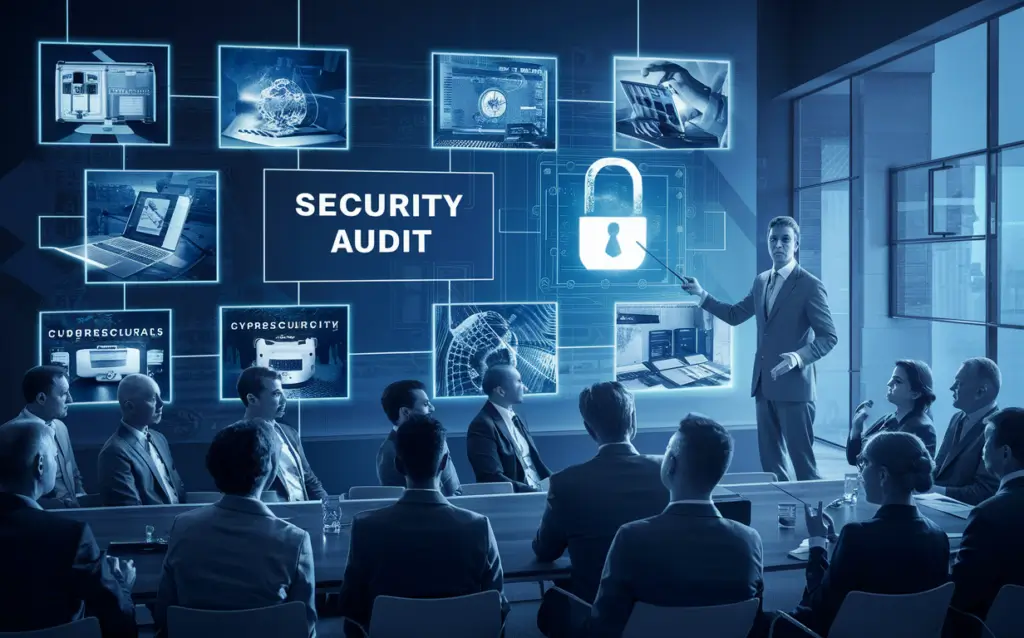
CAFM-Blog.de | Security Audit: How to Protect Your Company

Security Audit: How to Protect Your Company

A security audit is a systematic evaluation of a company's security measures and policies. It serves to identify and address potential security vulnerabilities to ensure the security of company data, employees, and customers. A security audit can cover various aspects of corporate security, including physical security, information security, data protection, and compliance with legal regulations. It typically involves a thorough review of existing security policies, procedures, and controls, as well as an assessment of their effectiveness.

Security Audit: How to Protect Your Company Read more »

Scroll to Top