Organisation

IT expert in front of server room, data centre, data analysis.

Workplace design in hybrid working models

Hybrid working models have become increasingly important in recent years. These models combine elements of remote working with traditional office work and allow employees to flexibly divide their working hours between working from home and being in the office. The COVID-19 pandemic has accelerated the spread of hybrid working models, as many companies have been forced to introduce flexible working arrangements. Studies show that hybrid working models can offer benefits for both employers and employees. Companies can free up office space and thus [...]

Workplace design in hybrid working models Read more »

Photo Customer relationship management

Transparency in the field of Facility Management: efficiency and trust

Transparency in facility management is a key aspect for the efficiency and success of company processes. It ensures that all relevant information and data is accessible and understandable for everyone involved. This enables well-founded decision-making and effective task fulfilment by employees. Transparent processes promote the trust of customers and stakeholders, as they gain an insight into the processes and services of facility management. In times of increasing importance of sustainability and

Transparency in the field of Facility Management: efficiency and trust Read more »

Organisational negligence 2025 in FM: How to avoid it?

Organisational negligence 2025 in FM: How to avoid it?

In the complex world of facility management, organisational negligence (or the previous organisational failure or even "just" organisational negligence) can have far-reaching consequences that go beyond immediate physical damage. From potential property damage and personal injury to long-term damage to an organisation's reputation, the risks are high. This article explores what organisational negligence (because that's at least the allegation at stake...) means, the types of harm that can occur and effective

Organisational negligence 2025 in FM: How to avoid it? Read more »

What are the benefits of CAFM in terms of efficiency and overall asset effectiveness?

What are the benefits of CAFM in terms of efficiency and overall asset effectiveness?

Computer Aided Facility Management (CAFM) is a concept for supporting facility management through the use of information technology. CAFM systems integrate various functions such as space management, maintenance, energy management and resource planning in a centralised software solution. The aim is to optimise the management and operation of buildings and technical facilities. CAFM systems enable a holistic view of facility management processes. They offer functions for recording, managing and analysing building and facility-related data. This enables

What are the benefits of CAFM in terms of efficiency and overall asset effectiveness? Read more »

Property and tenant management for efficient property management.

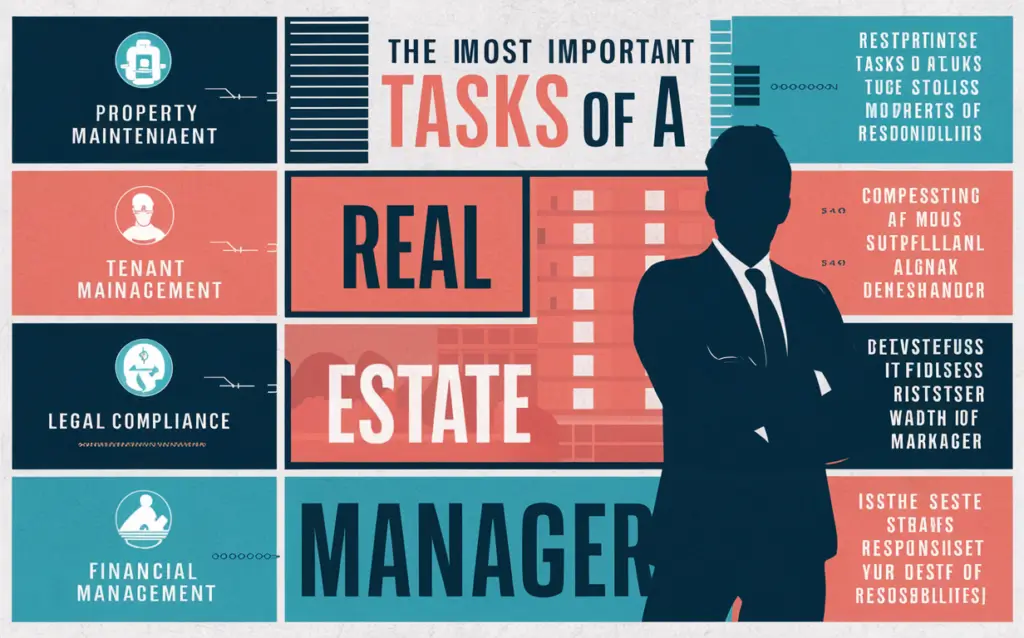
The most important tasks of a property manager

Letting properties is a central component of professional property management. An efficient letting strategy ensures a continuous cash flow and minimises vacancy periods. The core tasks include the creation of market-oriented exposés, target group-oriented marketing via various media channels and the organisation and implementation of viewing appointments. Careful credit checks on potential tenants and the drafting of legally compliant tenancy agreements are further essential steps in the letting process. Rental pricing is based on a sound market analysis, taking into account factors such as

The most important tasks of a property manager Read more »

Low-code vs. no-code: The most important differences

Low-code vs. no-code: The most important differences

Low-code and no-code are innovative technologies in the field of software development. Low-code platforms enable developers to create applications with minimal manual programming effort through the use of visual development tools and ready-made components. No-code platforms go even further and allow people without programming skills to develop applications using drag-and-drop functions and ready-made templates. These technologies are becoming increasingly important as organisations drive their digital transformation and cope with the growing demand for applications. Low-code and

Low-code vs. no-code: The most important differences Read more »

Corporate management theories: Fundamentals and Applications

Corporate management theories: Fundamentals and Applications

Management theories are systematic approaches to the effective management and administration of organisations. They encompass various concepts and models that have been developed over time to help managers optimise their management practices. These theories are closely linked to the disciplines of business administration and organisational psychology and have continuously evolved to meet the changing demands of the business world. The importance of business management theories lies in their ability to provide managers with a

Corporate management theories: Fundamentals and Applications Read more »

3. State-of-the-art CAD model of a building with digital infrastructure and smart technologies.

Effective project structuring

Effective project structuring is a key factor in the success of a project. It enables the precise definition and organisation of goals, tasks and resources, which increases the efficiency and productivity of the team. Structured project planning provides a comprehensive overview of the overall project and facilitates the early identification and resolution of potential problems. Clear structuring improves team communication and promotes collaboration. It enables effective task allocation, resource allocation and scheduling. In addition

Effective project structuring Read more »

What is a good corporate culture?

What is a good corporate culture?

Corporate culture is a fundamental aspect of any organisation and encompasses the shared values, norms, beliefs and behaviours within a company. It significantly influences the working environment, decision-making and interactions between employees. A strong corporate culture can promote employee identification with the company and cohesion, while a weak or negative culture can lead to dissatisfaction and reduced motivation. The characteristics of a corporate culture can be seen in various areas, such as

What is a good corporate culture? Read more »

Housing management: tasks and cooperation

Housing management: tasks and cooperation

Flat management is an essential part of property management. It comprises various areas of responsibility that ensure the smooth running of the tenancy between tenants and landlords. The main tasks include the letting of residential units, the billing of operating costs, the maintenance and servicing of the property and communication between all parties involved. Effective property management is characterised by expertise, reliability and transparency. It has in-depth knowledge of tenancy law and ensures the correct management of the property.

Housing management: tasks and cooperation Read more »

3. State-of-the-art CAD model of a building with digital infrastructure and smart technologies.

The importance of corporate strategy

Corporate strategy is a central concept in strategic management and describes a company's long-term plan for achieving its goals and securing sustainable competitive advantages. It encompasses the definition of the company's fundamental direction, the allocation of resources and the coordination of activities across different business areas. An effective corporate strategy is based on a thorough analysis of internal strengths and weaknesses as well as external opportunities and risks. It takes into account factors such as market trends, the competitive landscape, technological

The importance of corporate strategy Read more »

Efficient project organisation: tips and tricks

Efficient project organisation: tips and tricks

Efficient project organisation is a key success factor for projects. It optimises the use of resources, ensures that schedules are adhered to and safeguards the quality of work. A structured project organisation defines clear responsibilities and expectations for everyone involved. It also minimises risks and contributes to cost control. An effective project organisation enables the targeted pursuit of project goals and ensures that the results meet the requirements of the stakeholders. Precisely defined goals are essential for an efficient project organisation.

Efficient project organisation: tips and tricks Read more »

ITIL V3: Effective IT service management

ITIL V3: Best practices for efficient IT management

ITIL, the Information Technology Infrastructure Library, is a comprehensive framework for IT service management. It offers standardised procedures and processes for the efficient planning, implementation and management of IT services in companies. ITIL was developed with the aim of improving the quality of IT services, reducing costs and increasing customer satisfaction. ITIL is important for companies as it helps to optimise IT infrastructure and processes in order to meet dynamic market requirements.

ITIL V3: Best practices for efficient IT management Read more »

Assessment of the BIM maturity level in FM organisations

Assessment of the BIM maturity level in FM organisations

BIM maturity is a key concept in facility management (FM) and describes an organisation's ability to effectively implement and use building information modelling (BIM). BIM is a digital process for creating and managing construction projects. The maturity level comprises various stages that reflect an organisation's progress in BIM use from the initial phase to full integration into all business processes. The assessment of the BIM maturity level is of great importance for FM organisations.

Assessment of the BIM maturity level in FM organisations Read more »

ITIL V3: Effective IT service management

The importance of the IT infrastructure library

The IT Infrastructure Library (ITIL) is an internationally recognised framework for IT service management. It was developed by the British government in the 1980s and has been continuously updated ever since. ITIL provides a systematic approach to the provision and management of IT services. The framework consists of five core areas: Service Strategy Service Design Service Transition Service Operation Continuous Service Improvement These areas cover the entire lifecycle of an IT service, from strategic planning to continuous optimisation. ITIL defines

The importance of the IT infrastructure library Read more »

Effective corporate governance: an overview

Effective corporate governance: an overview

The importance of effective corporate management is a key factor in the success of organisations. A well-managed organisation can achieve its goals efficiently, increase employee motivation and ensure long-term success. Effective leadership involves the ability to define clear goals, develop strategic plans and optimise the use of company resources. In addition, creating a positive working environment is essential to encourage employees to perform at their best. Effective leadership plays a key role in the sustainability of a company.

Effective corporate governance: an overview Read more »

Microsoft Outlook vs Open Source Mail

Microsoft Outlook vs Open Source Mail

Are you struggling to decide which email client is right for your needs? We will analyse the features, pros and cons of Microsoft Outlook and Open Source Mail. Factors such as cost, user interface, customisation, security and integration with other applications will be compared. What is Microsoft Outlook? Microsoft Outlook is a powerful email client that is integrated into the Microsoft Office suite. It offers a diverse range of features that have been carefully designed to

Microsoft Outlook vs Open Source Mail Read more »

Scroll to Top