

Sustainable IT refers to the use of information technology in a way that protects the environment and conserves resources. This approach aims to minimise the negative impact of technology on the environment while creating efficient and effective IT solutions. Sustainable IT encompasses various aspects, including reducing energy consumption, using environmentally friendly materials and promoting the recycling and reuse of IT equipment. At a time when the technology industry is having an ever-increasing impact on the environment, it is crucial that companies and organisations implement sustainable IT practices to minimise their environmental footprint. implement, to minimise their environmental footprints.
The Implementation Sustainable IT practices require a rethink in the way organisations use technology. It also requires close collaboration between IT departments, environmental experts and other relevant stakeholders. By integrating sustainability principles into the ITStrategy companies can not only reduce their environmental impact, but also achieve long-term cost savings and strengthen their image as environmentally conscious organisations.
Key Takeaways
- Sustainable IT refers to the use of technology that is environmentally friendly and conserves resources.
- The technology industry has a significant impact on the environment, including energy consumption, electronic waste and water consumption.
- Sustainable solutions in the IT industry include the use of renewable energy sources, recycling of electronics and energy efficiency measures.
- The Advantages of sustainable IT include cost savings, improved corporate image and a positive impact on the environment.
- Challenges in the Implementation of sustainable IT include high initial investments, a lack of awareness and resistance to change in companies.
The impact of the technology sector on the environment
The technology industry has had a significant impact on the environment in recent years. The massive increase in the production of electronic devices has led to a huge rise in electronic waste, which is often disposed of improperly and has serious environmental consequences. In addition, the ever-growing number of data centres and servers consumes a considerable amount of energy, leading to increased CO2 emissions and other environmental impacts. The manufacture of IT equipment also requires the use of rare earths and other limited resources, resulting in further environmental impacts.
In addition, the technology industry also contributes to the waste of resources, as many devices quickly Obsolete and need to be replaced. This leads to a constant stream of electronic waste and puts a strain on landfills and recycling facilities. In view of these challenges, it is essential that the technology industry implements sustainable solutions to minimise its environmental impact and bring about positive change.
Sustainable solutions in the IT industry
To minimise the negative impact of the technology industry on the environment, there are a variety of sustainable solutions that can be implemented in the IT industry. These include the use of energy-efficient technologies in data centres and servers, the promotion of recycling and reuse of electronic equipment, the use of environmentally friendly materials in the manufacture of IT equipment, and the implementation of environmentally friendly procurement policies.
In addition, companies can also switch to virtual working environments to reduce the need for physical equipment and minimise energy consumption. Promoting telecommuting and remote working opportunities can also help reduce carbon emissions by reducing the need for commuting and business travel. By integrating these sustainable solutions, companies can help minimise their environmental impact while creating efficient and effective IT systems.
The advantages of sustainable IT
| Advantages of sustainable IT |
|---|
| Energy saving |
| Reduction of CO2 emissions |
| Extending the service life of equipment |
| Cost savings through efficient use of resources |
| Improvement of the corporate image |
Implementing sustainable IT practices offers a wide range of benefits for companies and organisations. The most important benefits include cost savings through reduced energy consumption and lower operating costs, improved image through environmentally conscious behaviour, compliance with legal and regulatory requirements in the area of environmental protection and long-term sustainability. Sustainability and resilience to changing environmental conditions.
Furthermore, sustainable IT can also contribute to reducing the Efficiency and productivity, as companies can optimise their operations by using energy-efficient technologies and processes. In addition, promoting the recycling and reuse of electronic devices can help reduce the demand for new resources and further minimise the environmental footprint. Overall, sustainable IT offers a variety of benefits that can help companies achieve long-term competitive advantages while making a positive contribution to environmental protection.
Challenges in the implementation of sustainable IT
Although the Advantages While the benefits of sustainable IT are obvious, there are also a number of challenges involved in implementing these practices in the technology industry. These include high initial investments for purchasing energy-efficient technologies and infrastructure, limited availability of environmentally friendly materials for manufacturing IT equipment, complex regulatory requirements in the area of environmental protection, and resistance to changes in established business practices.
Furthermore, implementing sustainable IT practices often requires close collaboration between different departments within a company, which can lead to challenges in coordination and integration. Training employees and raising awareness of sustainable practices are also important aspects that must be considered to ensure successful implementation. Despite these challenges, however, it is crucial that companies and organisations continue to pursue sustainable IT practices. implementto minimise their environmental impact and achieve long-term benefits.
Best practices for sustainable IT in companies
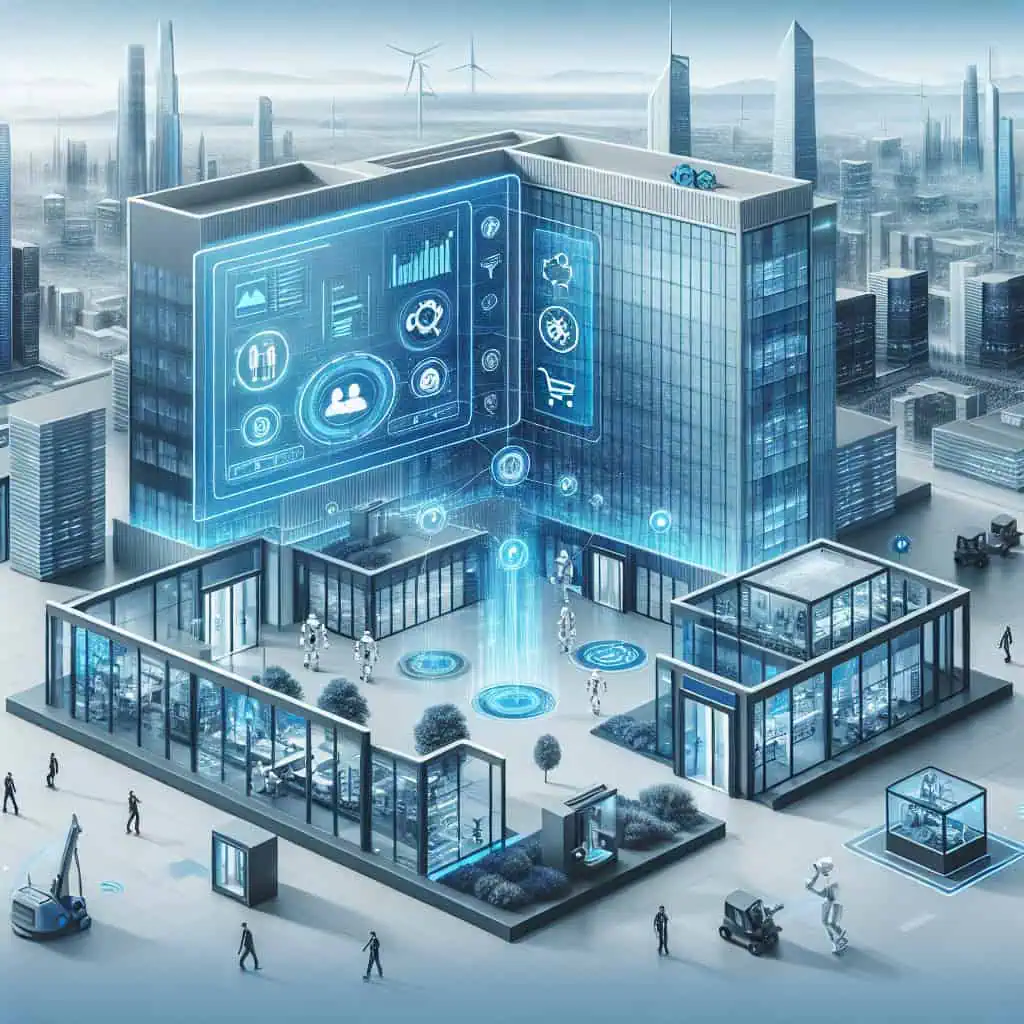
In order to successfully implement sustainable IT practices in companies, there are a number of best practices that companies can consider. These include conducting a comprehensive assessment of current energy consumption and the environmental impact of IT.Infrastructure, setting clear targets and performance indicators for sustainable IT, and integrating sustainability principles into the Corporate strategy and culture.
In addition, it is important for companies to form partnerships with suppliers who use environmentally friendly materials and promote sustainable manufacturing practices. Promoting recycling programmes and the reuse of electronic devices can also help to minimise the environmental footprint and conserve resources. Training programmes for employees to raise awareness of sustainable practices, as well as regular review and updating of the sustainability strategy, are also important aspects of implementing sustainable IT practices.
The future of sustainable IT in the technology industry
The Future The future of sustainable IT in the technology industry looks promising as more and more companies realise that sustainable practices not only have a positive impact on the environment, but also offer long-term economic benefits. With increasing pressure from consumers, governments and stakeholders, companies are expected to invest more in sustainable IT practices to minimise their environmental impact.
In addition, technological advances will help to develop energy-efficient solutions for data centres and servers, as well as identify environmentally friendly materials for the manufacture of electronic devices. The integration of artificial intelligence and machine learning into IT systems will also help to further optimise energy consumption and promote sustainable practices. Overall, sustainable IT is expected to continue to gain importance in the technology industry and make a positive contribution to environmental protection.
 Deutsch
  English (UK)