
In the world of facility management, there are many buzzwords vying for attention. One of them is Maturity model. But is it an indispensable tool or just a trendy buzzword? This question deserves thorough consideration, especially in times when digital Transformation revolutionised the way we work.
The maturity model offers companies the opportunity to evaluate and optimise their processes and systems in a targeted manner. It is not just a theoretical concept, but a practical approach to maturity level optimisation that also works in practice. But how exactly does this maturity level analysis work and which Advantages does it bring?
What is behind the maturity model?
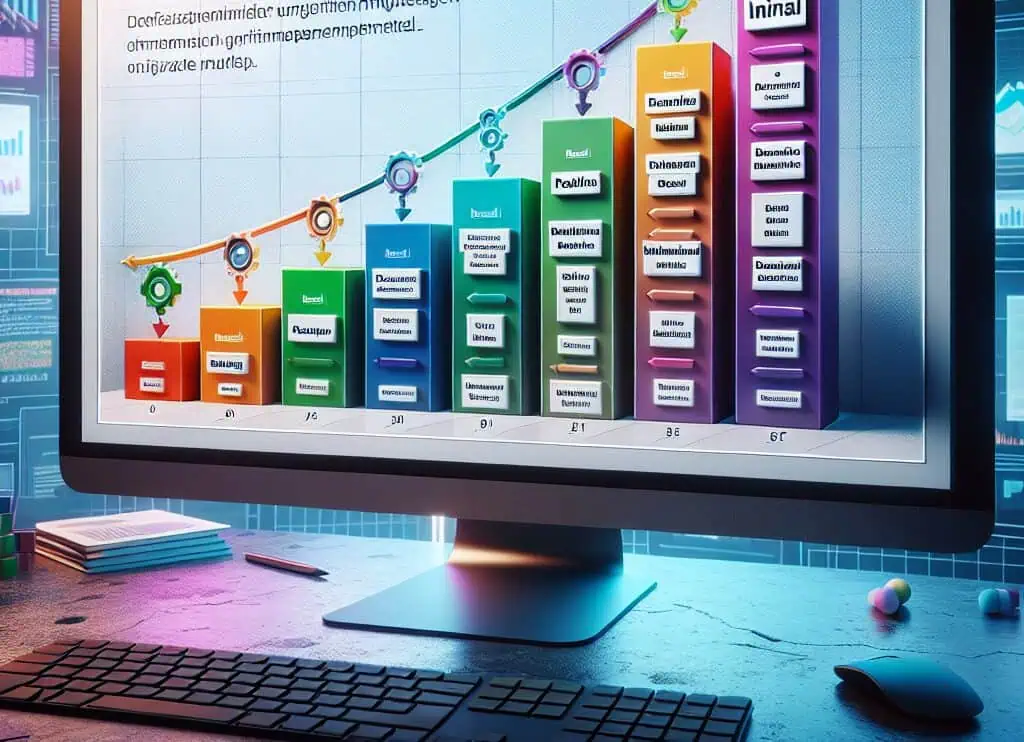
A Maturity model is basically an assessment tool that helps companies to identify different development levels of their processes. It normally divides these into different Maturity levelswhich is achieved through a structured Maturity matrix is visualised. The aim? A clear view of the current status of the company and the strategic planning of improvements.
- Create clarity: The Model helps to identify weaknesses and highlight strengths.
- Targeted development: Companies can thus take targeted measures to improve.
- Employee motivation: A clearly defined path to improvement can also increase employee commitment.
Ultimately, you could say that a good maturity model is like a GPS for your company – it shows you the best way to reach your goal!
But before you dive into the world of maturity assessment, ask yourself the following questions: How mature are your current processes? Where do you see potential for improvement? And above all, are you ready for change? Because one thing is certain: if you don't move with the times, you will move with the times!
What is a maturity model?
The Maturity model is much more than just another term in the facility management landscape. It is a structured approach that helps to evaluate the development stages of processes and systems. But what exactly does it mean? In a nutshell, it provides a map for organisations to understand the maturity of their operations and take appropriate action to improve them. Optimization to take.
As a rule, a maturity model comprises several Maturity levelseach of which defines specific characteristics and requirements for the processes. These stages are often organised in a Maturity matrix visualised, which serves as a guide. This enables companies to assess their current status and work towards higher levels in a targeted manner.
- Identification of weaknesses: Each maturity model helps to recognise areas where improvements are needed.
- Targeted strategies: With a clear understanding of their own position, companies can implement targeted measures for process improvement.
- Promoting continuous development: The Model encourages continuous review and adaptation of processes to changing conditions.
Let's explain the whole thing using a practical example: Imagine your company uses a maturity model to determine the BIM methodological approach in combination with CAFM software to integrate. With the help of the maturity assessment, you can determine how well your current processes support this integration. Are your employees trained? Are there clear standards? And what about the tools – are they efficient enough?
Based on this analysis, you can then develop targeted training programmes or Software-Plan updates. The result? A more effective workflow and ultimately higher employee satisfaction – because who wouldn't want that? knowthat his work makes a difference?
„A maturity model is like a fitness programme for your company – regularly evaluated, it stays fit and can overcome challenges!“
Are you ready to take your business to the next level? It's up to you! Use the opportunities that the maturity concept offers you to not only scrutinise the status quo, but also to actively work on the Future of your company.
The advantages of a maturity model in facility management
A Maturity model in facility management offers numerous Advantages, that every company to a higher Efficiency- and effectiveness levels. But what are these? Advantages Exactly, and how do they help to overcome the daily challenges in facility management?
- Transparency and clarity: Thanks to the structured Maturity level analysis you will receive a clear Overview about the current status of your processes. This not only makes it easier to identify weaknesses, but also to highlight strengths that you can build on.
- Targeted allocation of resources: With a well-defined maturity model, you can use your resources more efficiently. Instead of blind attempts at optimisation know You know exactly where you need to take action – saving time and money!
- Employee commitment: A clear improvement path motivates your employees. When they see that their work is making a targeted contribution to the company's development, this increases their commitment and satisfaction. After all, it's a great feeling to know that you are part of a positive change!
- Promoting innovation: Maturity methodology promotes a culture of continuous improvement. By regularly reviewing the maturity of your processes, you create space for new ideas and innovations that can benefit your company.
- Better decision making: Thanks to the detailed information from the Maturity assessment meet Managers More informed decisions. That means less gut feeling and more data-based strategies!
This is illustrated by a practical example: if a company uses a maturity model to analyse its CAFM software evaluate, it quickly identifies areas with potential for improvement. Perhaps some functions are underused or training for employees is needed? With these insights, targeted measures can be taken to exploit the full potential of the software – and thus also achieve higher Efficiency in facility management as a whole.
„A maturity model is like a compass for your facility management – it shows you the right path and helps you stay on course!“
Are you ready for this exciting journey? Take advantage of the maturity model as a springboard to Optimization Your facility management processes! Because the better your foundation, the greater your success will be.
Common misconceptions about the maturity model
Although the Maturity model is used in many companies, there are numerous misconceptions that persist. Let us dispel some of these myths to provide clarity and fully exploit the possibilities of this valuable tool.
Myth 1: The maturity model is only for large
A common misconception is that only large companies from one Maturity concept can benefit. In fact, small and medium-sized enterprises can also benefit significantly from the Maturity level analysis benefit. Regardless of the size of the company, this helps Model identifying weaknesses and taking targeted measures for improvement.
Myth 2: It is only a one-off assessment
Another misconception: many believe that a Maturity assessment is carried out once and then completed. In reality, it is a continuous process. The maturity assessment should be carried out regularly to ensure that your company remains up to date and continuously improves.
Myth 3: The maturity model requires a comprehensive reorganisation
Some fear that the Implementation of a maturity model entails profound changes in the corporate structure. However, this does not have to be the case! Often, targeted adjustments are sufficient to achieve significant progress. Remember: small changes can have a big impact!
Myth 4: Only IT departments use the maturity model
Although IT maturity models are widely used, the concept can also be applied to many other areas, such as facility management or Project management. Every team can benefit from a structured analysis of its processes!
Myth 5: Maturity levels are static and do not change
Another common misconception! Process maturity is dynamic and subject to constant change due to technological Developments and market requirements. This means that your strategies for optimising maturity levels must also be regularly adjusted.
„Misunderstandings about the maturity model are like stumbling blocks on the path to efficiency – you have to overcome them in order to move forward!“
Are you ready to leave these myths behind? Take full advantage of the maturity model and take your facility management to the next level! After all, knowledge is power – and the more we understand, the better we can act.
Application examples from practice
The practical application of the Maturity model shows impressively how companies can achieve concrete progress through structured analyses and assessments. Let's take a look at some inspiring application examples that illustrate how this methodology is not just a buzzword, but a real game changer.
1st case study: The implementation of an IT maturity model
A medium-sized IT company decided to optimise its internal processes with the help of a IT maturity model to evaluate. The Maturity level analysis revealed that the Project management-Tools were being used inefficiently. The company then implemented regular training sessions and optimised software usage. The result? A 301% increase in project efficiency in just six months!
2. example from facility management
A large hospital implemented the Maturity concept to improve its facility management processes. Thanks to the Maturity assessment The team was able to identify bottlenecks in maintenance planning and prioritised training employees in the use of new technologies. This led to a significant reduction in downtime and higher patient satisfaction.
3. agile maturity models in product development
Also noteworthy is the use of agile maturity models in a start-up in the field of software development. By introducing a continuous feedback mechanism based on the maturity model, the team was able to respond more quickly to customer concerns and iterate products faster. This not only led to better marketability, but also significantly increased employee engagement – because who wouldn't want to be part of an agile team?
„Applying the maturity model is like GPS navigation for businesses – it not only shows you the best route, but also helps you avoid detours!“
Are you ready to achieve similar success in your company? Let us inspire you! Use the maturity level model as a tool for self-evaluation and -optimisation. Don't forget: The first step towards change begins with an awareness of the current status of your processes.
Steps for introducing a maturity model
The introduction of a Maturity model It may sound like a challenge at first, but it is entirely feasible in practice – provided you proceed in a structured and thoughtful manner. Here are a few steps that can help you successfully implement your maturity model concept. implement.
1. target definition
Before you start implementation, you should be clear about what you want to achieve with the Maturity model Would you like to optimise specific processes or implement a general Overview about your current business maturity? A clear goal helps you stay focused and not get lost in the jungle of possibilities.
2. Conduct an analysis of the current situation
Conduct a comprehensive Maturity level analysis through. The aim is to assess the current status of your processes and identify weaknesses and strengths. Interviews with employees or workshops are a good starting point to obtain different perspectives and get a complete picture.
3. create a maturity matrix
As soon as you know your current situation, create a Maturity matrixwhich shows the different maturity levels of your processes. This matrix will serve both as an orientation aid and as a communication tool - it helps everyone involved to track progress.
4. Plan target group-oriented measures
The results from the analysis and the matrix can be used to develop targeted measures for process optimisation. Take a look at which Maturity levels should be achieved and define specific steps – whether these involve training for employees or investments in technology.
5 Implementation and monitoring
Once the measures have been defined, the exciting phase of implementation begins! It is important to regularly review progress and make adjustments – because, as with any good Strategy The following applies: Flexibility is key!
6. communication is the be-all and end-all
Involve all stakeholders in the process! Open communication promotes understanding of the changes and ensures that everyone is pulling in the same direction. After all, we don't want to get lost as lone warriors in the jungle of the maturity model!
„Introducing a maturity model is like a good recipe: you need the right ingredients in the right order!“
Are you ready to take the first step? With a clear plan, you can grow your business. sustainable enhance and take it to the next level. Remember: the path to maturity is a continuous process – so let's tackle it together!
Conclusion: More than just a buzzword?
If we can Maturity model it quickly becomes clear that it is not just a buzzword. Rather, it is a valuable tool that helps companies to optimise their processes and work more effectively. But are the specific reasons why this model is more than just a trend? Trend is?
- Sustainable improvement: A maturity model promotes continuous Optimization. It is like a regular health check for your company processes - you recognise weaknesses and can work on them in a targeted manner.
- Better strategies: With a clear Maturity level analysis meet Managers More informed decisions. This leads to less gut feeling and more data-based planning – and yes, that really is crucial!
- Cultural change: The model encourages employees to actively contribute suggestions for improvement. This involvement strengthens the Corporate culture and promotes a sense of belonging – because who wouldn't want to be part of a team that grows together?
At a time when efficiency and agility are top priorities, the Maturity concept, setting realistic goals and achieving them step by step. It not only helps us to understand the current situation, but also to find the path to a promising Future design.
„A maturity model is not a temporary Trend – it is an invitation to Transformation!"
So, are you ready? Let's find out together how we can take your facility management to the next level by applying the model! Remember: the first step towards a better business future starts with the decision to analyse your maturity levels.
 Deutsch
  English (UK)